In the bustling ecosystem of Moscow’s major exhibition venues—Crocus Expo, Timiryazev Centre, VDNKh, and Main Stage—business deals are often won or lost not in the boardroom, but on the exhibition floor. With hundreds of events hosted annually across industries ranging from optics and agriculture to commercial transport, the competition for attention is fierce.
For international and local brands alike, the physical booth is just a structure of wood and vinyl. The Stand Staff are the soul of the operation. In Moscow, this role has evolved into a specialized profession that blends high-fashion aesthetics, technical linguistics, and aggressive sales tactics.
This is a look at the critical role of trade show personnel in the Russian capital.
More Than Just a “Hostess”
Western exhibitors often make the mistake of reducing the role of Moscow stand staff to that of a simple greeter. In Russia, the position carries a different weight. The term “Hostess” (Стендистка) often implies a university-educated professional who acts as a cultural ambassador as much as a sales assistant.
In venues like the Main Stage Moscow Exhibition Centre, staff are expected to demonstrate “impeccable appearance, confident demeanor, and extensive knowledge”. They are frequently multilingual (English is standard, with Chinese, Arabic, or German available upon request) and trained to navigate the specific nuances of Russian business etiquette.
The Cast: Types of Personnel
To run a successful booth, companies typically hire a mix of specific roles:
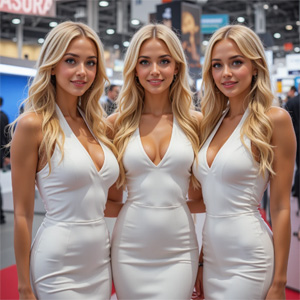
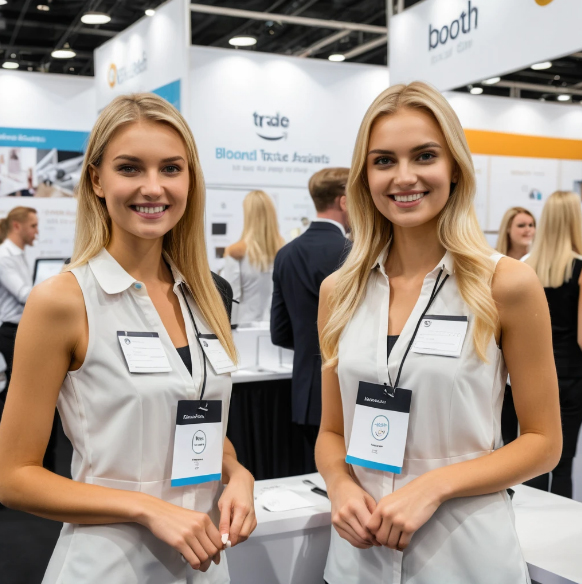
- The Stand Hostess (Стендистка): The face of the booth. Responsibilities include greeting visitors, managing registration, distributing promotional materials (booklets and giveaways), and maintaining the booth’s professional appearance. Appearance is paramount; agencies often provide specific wardrobe rentals (classic dresses or branded colors) to ensure visual alignment with the brand.
- The Promo Model: For high-traffic consumer exhibitions, companies hire “charming girls with model appearance” to actively draw crowds, pose for photos, and create a “buzz” around premium products.
- The Promoter (Промоутер): Unlike the stationary hostess, promoters are proactive. They move into the aisles to hand out samples, scan badges, and literally pull foot traffic into the booth.
- Technical Translator (Технический переводчик): Given that English is not widely spoken among older Russian engineers or buyers, this role is critical for B2B exhibitors. These staff members are not just linguists; they must understand industrial vocabulary for sectors like oil, gas, or medical devices to facilitate on-the-spot negotiations.
The Cultural Code: Vodka, Handshakes, and High Heels
Working a stand in Moscow requires cultural intelligence that cannot be read in a manual. Booth staff are the enforcers of local etiquette:
- The Dress Code: While U.S. business attire is acceptable, Russian women tend to dress more “flamboyantly” than their Western counterparts. High heels and tailored, fashionable suits are the norm for female staff, while men wear strict business suits.
- Hospitality is Business: In-booth hospitality is prevalent. It is common for larger exhibits to feature a bar or bistro serving tea (without milk), coffee, champagne, and notably, vodka. Contrary to Western office culture, a shot of vodka offered at a stand is often viewed as a sign of a “gentlemen’s agreement” or a precursor to serious trust. Staff must know how to facilitate this without over-serving.
- Non-Verbal Rules: Staff must be trained to avoid the American “OK” sign or shaken fists, which are considered vulgar gestures in Russia. Additionally, standing with hands in pockets is seen as rude.
The Economics of Staffing (2026 Rates)
Hiring in Moscow requires a specific budget. Prices have stabilized but reflect the high standards demanded by the market. According to agency guides for 2026-2027, rates generally break down as follows:
- Standard Hostess/Stand Staff: Ranges from 8,000 to 12,000 RUB per day. Rates depend on language fluency and previous experience at major international shows.
- Promo Models / High-Fashion Staff: Daily rates are higher, typically starting at 8,000 to 12,000 RUB, due to stricter appearance requirements.
- Interpreters: Technical translation demands a premium, often exceeding standard hostess rates significantly.
Most professional agencies (such as MoscowHostess or EventForce) require bookings 2–3 weeks in advance and provide profiles with photographs and past experience for client approval.
Logistics and Pitfalls
Working a trade show in Moscow presents unique logistical challenges that staff must navigate:
- The “Freebie” Gangs: Exhibitors are warned about professional gangs (sometimes disguised as older attendees) who swarm booths on the first day specifically to steal promotional items and giveaways to resell on the street.
- Patience is Key: Russian business culture places a high value on patience. Punctuality is treated more flexibly than in Germany or Japan, but staff must remain professional and unhurried even when visitors are late or schedules shift.
- Security of Goods: Staff are often on the front line against petty theft. If goods are on display, the team must be vigilant, particularly regarding mobile phones and laptops left on counters.
In Moscow, your stand staff is your brand. The city offers a deep pool of educated, elegant, and aggressive sales talent, but they require proper briefing and respect. The most successful exhibitors treat their Moscow team not as temporary hires, but as strategic partners who understand that in Russia, business is personal, and the handshake—firm and direct—is the only contract that matters before the ink dries.