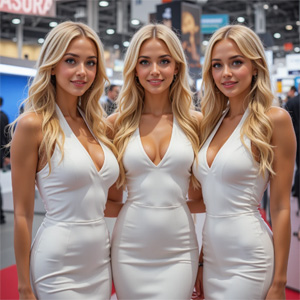
Russia’s marine industry exhibitions represent a unique intersection of commerce, technology, and prestige. The sector is defined by two major events: the Moscow Boat Show (International Exhibition of Boats and Yachts) at Crocus Expo, and the NEVA International Exhibition and Conference in Saint Petersburg—a top-10 global maritime event covering commercial shipping, shipbuilding, offshore energy, ports, and oceanography.
While these events serve different segments—leisure boating versus heavy commercial shipping—they share a common requirement: the need for highly skilled trade show assistants who transcend the outdated “greeter” stereotype to become brand ambassadors, technical communicators, and strategic engagement specialists.
Beyond the Stereotype: A Multifaceted Professional Role
Marine industry exhibitions are characterized by hands-on interactions where serious buyers often make purchasing decisions on the show floor. The trade show assistant operates at the center of this dynamic, performing functions that require a diverse skill set.
Technical Product Expertise
Assistants serve as the human interface between complex marine products and potential customers. They develop substantial knowledge of vessel specifications, navigation equipment, safety gear, and comparative features against competitor products. This is particularly critical at the Moscow Boat Show, where the exposition covers the entire spectrum of leisure boating—from motorboats and sailboats to luxury yachts, marine systems, and navigation equipment.
At NEVA, the technical demands are even greater. Exhibitors showcase ice-class vessels, autonomous ship designs, LNG and hybrid propulsion systems, digital twins, and subsea technologies for Arctic operations. Assistants at this event must understand terminology ranging from shipbuilding and marine engineering to port logistics and offshore energy systems.
Demonstration and Experience Facilitation
Maritime exhibitions often feature interactive displays and, in some cases, on-water demonstrations. Assistants are frequently required to guide visitors through equipment functionality, coordinate simulation experiences, facilitate vessel boardings and inspections, and manage product trial schedules. At the Moscow Boat Show, many boats are sold directly from the show floor, making the assistant’s role in facilitating these hands-on experiences critical to generating direct sales.
Lead Generation and Visitor Qualification
While marine fairs have a strong recreational component, they are also commercial platforms. Assistants play a crucial role in qualifying prospects based on interest and purchasing capability, recording contact information for follow-up, facilitating introductions to technical specialists, and processing orders for accessories and equipment. A trained assistant’s ability to distinguish casual enthusiasts from decision-makers directly impacts an exhibitor’s return on investment.
Brand Representation and Storytelling
In the experience-driven marine industry, professionals embody brand values through authentic enthusiasm, compelling storytelling about product heritage and innovation, consistent messaging, and visual presentation that aligns with brand identity. The Moscow Boat Show hostess, in particular, is described as the “epitome of elegance”—a carefully selected professional who embodies the sophistication and exclusivity of the boating lifestyle.
The Russian Marine Exhibition Landscape
NEVA: The Commercial Maritime Powerhouse (Saint Petersburg)
NEVA, held biennially at the Expoforum Convention and Exhibition Centre, is Russia’s premier event for commercial shipping and shipbuilding. The 2025 edition featured over 700 exhibitors, covered 50,000 square meters of exhibition space, and attracted more than 35,000 maritime industry professionals. NEVA 2023 had 646 exhibitors from 25 countries, with 258 meetings in the matchmaking center resulting in 19 executed agreements.
The event enjoys government support from the Russian Ministry of Transport, Ministry of Industry and Trade, and the Government of Saint Petersburg. The business program includes sessions on ship repair, certification tools from the Russian Maritime Register of Shipping, and discussions on Arctic fleet operations.
NEVA organizers also offer comprehensive business travel packages that include professional interpreter support for groups throughout the exhibition, along with B2B meeting organization and assistance.
Moscow Boat Show: The Leisure Marine Hub (Moscow)
The Moscow Boat Show, held at Crocus Expo, stands as Russia’s leading exhibition for boating, sailing, and water sports enthusiasts. The event features over 10,000 square meters of display area, attracts more than 12,000 visitors annually, and hosts approximately 170 companies showcasing everything from motor yachts and sailing boats to diving equipment and navigation systems. The event attracts participants from multiple countries, establishing Moscow as a growing hub for maritime leisure activities in Eastern Europe.
A key feature of the Moscow Boat Show is its international reach, with significant participation from China, Turkey, and other countries. This demand for multilingual professionals—particularly Russian-Chinese interpreters and hostesses—has increased as Western brands have reduced their presence in Russia.
Essential Qualifications and Skills
The technical nature of marine products and the international character of Russia’s exhibitions demand specific qualifications:
Industry Knowledge and Technical Aptitude: Successful assistants possess substantial understanding of marine terminology, navigation concepts, boat handling basics, safety protocols, and technical specifications of exhibited products.
Communication Competencies: Beyond linguistic capabilities (Russian and English are essential; additional languages are a major asset), effective professionals exhibit clear explanation of technical features, active listening to identify customer needs, and adaptive communication styles.
Professional Demeanor: The marine context requires appropriate attire (often incorporating nautical elements or brand colors), physical stamina for long hours on the exhibition floor, and problem-solving agility in dynamic environments.
Cultural Intelligence: Understanding Russian and international luxury etiquette, the ability to handle ultra-high-net-worth individuals with discretion, and awareness of Russian business culture’s emphasis on formal communication and relationships are critical.
Strategic Value for Exhibitors
Companies investing in professional representation at maritime exhibitions experience multiple strategic benefits:
Enhanced Commercial Outcomes: Professional representatives directly contribute to improved sales by increasing conversion rates through knowledgeable product presentation, identifying high-value prospects among visitors, facilitating higher-margin sales, and reducing missed opportunities during peak visitation periods.
Brand Development: In the competitive marine market, professional representation communicates quality and reliability that justifies premium pricing, creates memorable experiences that build brand loyalty, and reinforces brand identity through consistent, knowledgeable representation.
Market Intelligence: Through systematic visitor interactions, representatives gather valuable insights about emerging trends in consumer preferences, competitive offerings, regional market opportunities, and product feedback that can inform future development.
Agency Selection and Training Considerations
When hiring trade show assistants for marine exhibitions, agencies and exhibitors should prioritize:
- Industry Experience: Demonstrable experience in maritime events or luxury sectors
- Genuine Interest: Authentic enthusiasm for boating or shipping that translates into compelling engagement
- Selection Rigor: Comprehensive vetting assessing learning agility, communication style, and presentation quality
- Training Specificity: Hands-on product familiarization, technical briefings, safety training, and role-playing common visitor scenarios
NEVA organizers, for example, offer professional interpreter services and B2B meeting organization as part of their participant support packages, recognizing the critical importance of communication in this sector.
In the competitive and technically sophisticated arena of Russia’s marine industry exhibitions, professional trade show assistants are far more than decorative staff. They are strategic ambassadors who embody brand values, facilitate meaningful customer interactions, and translate complex marine products into compelling commercial opportunities. Whether at the luxury-focused Moscow Boat Show or the industrial-scale NEVA exhibition in Saint Petersburg, these professionals serve as the human interface ensuring that a company’s vessels, equipment, and expertise are understood, trusted, and ultimately purchased.