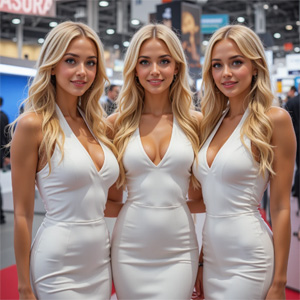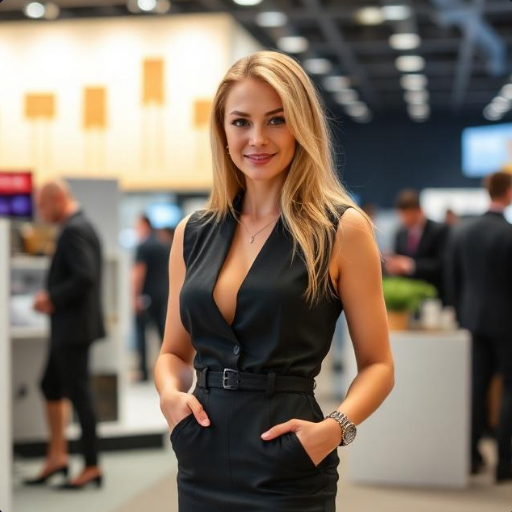
In the marble-floored, glass-walled halls of Moscow’s premier real estate exhibitions—including the Moscow International Property Show and Moscow Overseas Property & Investment Show—the atmosphere is charged with a different kind of currency. It is the quiet, intense hum of multimillion-dollar negotiations, where architects unfurl blueprints, developers present scale models of luxury complexes, and investors from Europe, Asia, and the Middle East explore opportunities in one of the world’s most dynamic property markets.
Among these prestigious events, the Moscow International Property Show stands as a flagship. Now in its 46th edition, it brings together major developers, international real estate agencies, and financial investment companies from 20 countries, attracting over 4,000 potential buyers and investors over two days. In this high-stakes environment where a handshake can seal a deal for prime residential or commercial space, the Russian exhibition assistant is far more than a hostess. She is a strategic asset, a cultural bridge, and the elegant ambassador of the brands she represents.
The Evolution: From Greeter to Strategic Partner
Unlike consumer-focused trade shows, real estate exhibitions are B2B battlegrounds. The foot traffic does not consist of casual browsers; it consists of decision-makers: CEOs of retail chains, investment fund managers, architects, high-net-worth individuals, and government representatives.
Consequently, the traditional “booth babe” archetype is obsolete. In its place stands the professional real estate assistant—a hybrid professional who is part executive assistant, part market analyst, and part diplomatic liaison. She is the first point of contact for visitors, greeting them with elegance and professionalism, and setting the tone for the entire event.
One key reason for this elevated role is the need for local market expertise. While exhibition organizers provide “full assistance from professionals,” for international exhibitors, this internal support is rarely enough. They need a dedicated asset on the ground who knows the local market as intimately as they know the floorplan.
The Unique Lexicon: Speaking the Language of Deals
To stand confidently at a booth displaying a major development, a Russian assistant must master a specific technical vocabulary. She isn’t just discussing square meters; she is discussing financial metrics and legal concepts. According to industry professionals, a CRE (Commercial Real Estate) assistant must have a working knowledge of terms that often switch between Russian and English, including:
- Asset Classes: Retail, Office, Industrial, Multifamily (Residential), Hospitality.
- Financial Metrics: Rent roll, Occupancy rate, Footfall, GLA (Gross Leasable Area), and CAP rates.
- Operational Terms: Property management, Lease terms (including NNN and gross leases), Tenant mix, and Anchor tenant.
- Legal/Due Diligence: Zoning, Permits, BOMA standards, and Cadastral registration.
The assistant’s ability to understand and translate these concepts allows her to engage in meaningful preliminary conversations, establishing credibility and ensuring that technical inquiries are directed to the right specialists.
Key Pillars of the Real Estate Assistant Role
The Gatekeeper and Lead Qualifier
At these events, a single booth might host the CEO of a retail chain, the head of acquisitions for a foreign development fund, and the leasing director for a Moscow shopping mall simultaneously. The assistant acts as the gatekeeper. She must quickly qualify visitors:
- Is this person a student looking for a brochure, or is this the Director of Expansion for a 50-store brand?
- Is the visitor looking for residential investments, commercial leasing opportunities, or franchise operations?
Through subtle, structured conversation—asking about territory needs and square footage requirements—the assistant filters the traffic. She uses this data to fill the CRM system before handing the qualified lead off to a senior sales executive.
The Cultural and Linguistic Bridge
Russia remains a unique market with specific expectations regarding business etiquette. The phrase “Russia is open for new projects and new partners” is true, but entry requires cultural fluency. The assistant serves as a cultural and linguistic bridge.
She knows that Russian negotiations are often relationship-driven; a quick handshake and a brochure handoff are insufficient. She will invite the guest for coffee, introduce them to the team using the correct title and patronymic, and facilitate the small talk that is essential before the hard numbers are discussed.
Given the significant international presence—with representatives from China, Turkey, the Middle East, and Belarus—multilingual assistants (proficient in Russian, English, Mandarin, Arabic, and Turkish) are highly prized. They ensure that a Turkish developer can explain their design philosophy to a Russian investor, or that a Chinese investor confidently signs the dotted line for a Moscow business center.
The Logistics and Hospitality Expert
Commercial real estate transactions involve massive amounts of documentation—teasers, prospectuses, lease agreements, and floor plans. The assistant is the operational anchor. She manages the inventory of marketing materials, ensures that digital presentations and VR tours are running, and captures lead data with precision.
Real estate fairs frequently feature invitation-only VIP lounges. Here, the hostess transitions from a greeter to a protocol manager, managing the flow of high-net-worth individuals, coordinating private meetings between developers and investors, and arranging transportation for off-site property viewings.
The Venue Factor: Tishinka vs. Crocus Expo
Moscow’s real estate exhibitions are hosted at two primary venues, each presenting distinct logistical challenges. The T-Modul Exhibition Hall (“Tishinka”) in the city center, hosts the Moscow International Property Show. With over 3,500 to 4,000 visitors across 1,500 sq. m. of exhibit space, assistants here must be adept at managing a high-volume flow of both trade and general public visitors, as these shows often cater to private investors looking for residential and overseas property.
Conclusion: A Strategic Investment
In the competitive environment of Moscow’s real estate exhibitions, a scale model of a shopping mall is just plastic. A lease agreement is just paper. The difference between a dead booth and a deal-closing machine often comes down to the human being standing in front of the display.
The professional Russian assistant is the face of the exhibition, the bridge between cultures, and the embodiment of the brands she represents. They ensure that a Russian developer with a new property finds the perfect international partner, and that foreign investors feel confident entering the local market. For any international company looking to lease, sell, or invest in Russia’s dynamic real estate market, skimping on booth staff is a false economy. Investing in highly trained, articulate, and culturally-attuned assistants is not an expense—it is a strategic investment in market positioning and sales conversion.