1 Introduction: The Evolving Role of Trade Show Models in Russia’s Renewable Energy Sector
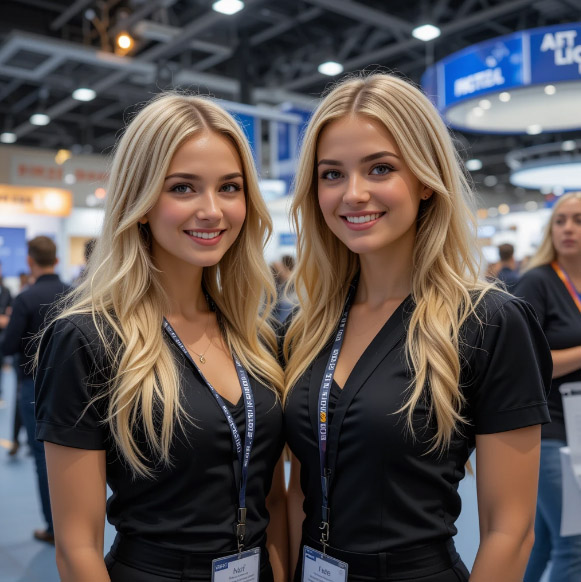
The renewable energy landscape in Russia has experienced significant transformation in recent years, with Moscow emerging as a pivotal hub for showcasing innovations and facilitating business connections in this rapidly evolving sector. Trade show models have become indispensable assets at these exhibitions, serving as brand ambassadors, technical communicators, and engagement specialists who bridge the gap between complex technologies and diverse audiences. As Moscow prepares to host RENWEX at Crocus Expo Fairgrounds, the strategic deployment of professional models will be critical to exhibitor success. These professionals transform conventional exhibition spaces into dynamic interactive environments that effectively communicate the value propositions of solar power, wind energy, hydrogen solutions, energy storage systems, and electric vehicle infrastructure – all key exhibition categories highlighted for the upcoming event.
The Russian renewable market has demonstrated substantial growth potential despite global economic fluctuations, with RENWEX attracting 3,670 visitors and 118 exhibitors, and projected to maintain similar or increased participation levels in 2026. Within this context, trade show models serve as multifunctional facilitators who enhance visitor experience, generate qualified leads, and create memorable brand interactions that extend far beyond the exhibition hall. Their role has evolved from traditional “greet and smile” functions to technical storytelling and demonstration expertise, requiring increasingly sophisticated knowledge of renewable technologies and sustainability frameworks.
2 Strategic Objectives for Trade Show Models at Renewable Energy Exhibitions
2.1 Brand Representation and Market Positioning
Trade show models at renewable energy exhibitions fulfill several strategic objectives that directly contribute to exhibitor success. First and foremost, they serve as physical embodiments of corporate identity, visually communicating brand values through professional appearance, demeanor, and tailored messaging. Unlike conventional consumer exhibitions, renewable energy events require models to project an image of technical competence and professional credibility while maintaining approachability for diverse audience segments ranging from engineers to investors. The models’ appearance, attire, and accessories are strategically selected to align with the sustainable ethos of the brands they represent, often incorporating eco-friendly materials and colors that evoke environmental themes (greens, blues, earth tones).
The multinational character of Moscow’s renewable energy exhibitions necessitates models who can navigate cross-cultural communication challenges effectively. With participants from at least 22 countries attending events like RENWEX, models must be sensitive to cultural nuances in communication styles, business etiquette, and technical discussion approaches. This cultural fluency enables them to facilitate meaningful connections between international exhibitors and the Russian market, which represents significant growth potential for renewable technologies given government initiatives and increasing environmental awareness.
2.2 Audience Engagement and Lead Generation
Beyond brand representation, trade show models are fundamentally engagement engines designed to attract, retain, and qualify exhibition visitors. At renewable energy exhibitions, where products are often technical and abstract (e.g., grid integration solutions, monitoring systems), models employ specialized techniques to make these concepts tangible and compelling for attendees. Through strategic positioning, proactive initiation of conversations, and carefully choreographed demonstration sequences, models create interactive experiences that transform passive observers into active participants and potential leads.
The lead qualification process represents another critical function performed by skilled trade show models. Through structured interactions and subtle questioning techniques, models identify visitor profiles (technical decision-makers, financial stakeholders, students, etc.) and assess their potential value to exhibitors. This preliminary qualification enables more efficient allocation of specialist personnel and ensures that technical staff engage with the most promising prospects. For the last edition of RENWEX, which attracted 3,670 professional visitors, this qualification function was particularly valuable in maximizing exhibition ROI for participating companies.
3 Model Profiles and Skill Requirements
3.1 Desired Attributes and Qualifications
The specialized nature of renewable energy exhibitions demands specific model profiles that differ significantly from those employed at consumer-oriented events. While physical appearance remains a factor, it is secondary to communication skills, technical aptitude, and sector knowledge. Successful models typically possess backgrounds in related fields such as engineering, environmental science, sustainability studies, or technical sales, enabling them to grasp complex concepts and communicate them effectively to diverse audiences. Multilingual capabilities are particularly valued, with English-Russian bilingualism representing a minimum standard for international exhibitions, and additional language skills (Chinese, German, French) providing competitive advantages.
The personal attributes of successful renewable energy models include intellectual curiosity, articulate presentation, authentic enthusiasm for sustainability, and the ability to think quickly in technical discussions. Unlike conventional promotional models who may work primarily from scripts, renewable energy models must possess sufficient conceptual understanding to answer basic technical questions and identify appropriate specialists for more complex inquiries. This requires comprehensive pre-event training and continuous knowledge development throughout the exhibition period.
3.2 Specialized Roles and Responsibilities
Within the renewable energy exhibition context, models typically assume several specialized roles based on their skills and experience:
- Greeters and Traffic Directors: Positioned at exhibition entrance points to welcome visitors, provide initial orientation, and guide attendees toward areas of interest based on predetermined criteria.
- Product Demonstrators: Specialized in explaining specific technologies through interactive displays, working models, and multimedia presentations that simplify complex concepts without oversimplifying technical substance.
- Technical Narrators: Possess deeper sector knowledge to engage in meaningful discussions with professionals about specifications, applications, and comparative advantages of different renewable solutions.
- Lead Qualifiers: Trained in subtle interrogation techniques to identify potential clients, distinguish between prospect categories, and gather preliminary information for follow-up by sales personnel.
Table: Model Classification Based on Function and Skill Requirements
| Model Category | Primary Functions | Skill Requirements | Ideal Background |
|---|---|---|---|
| Brand Ambassador | Corporate representation, initial engagement | Appearance, multilingual communication, cultural sensitivity | Marketing, communications |
| Technical Demonstrator | Technology explanation, application scenarios | Technical aptitude, presentation skills, product knowledge | Engineering, technical sales |
| Lead Generator | Prospect identification, qualification | Interrogation techniques, industry knowledge, discretion | Sales, business development |
| Social Media Correspondent | Content creation, digital engagement | Videography, storytelling, platform expertise | Media, journalism |
4 Training and Preparation Protocols
4.1 Technical Knowledge Development
The effectiveness of trade show models at renewable energy exhibitions is directly proportional to the quality of their pre-event training. Comprehensive preparation programs typically include technical briefings on renewable energy concepts, technologies to be exhibited, and competitive landscape overviews. For RENWEX, which will feature solar power, wind power, hydropower, hydrogen energy, waste-to-energy technology, e-transport & charging infrastructure, and energy storage systems, models require substantive education across multiple technological domains to communicate effectively with specialized professionals.
Training protocols typically incorporate interactive learning methods such as hands-on demonstration practice, question-and-answer sessions with technical experts, and scenario-based roleplaying to simulate challenging visitor interactions. Models receive detailed product manuals and technical specification sheets for study, supplemented by visual aids and simplified explanations that help them translate complex engineering concepts into accessible language for diverse audiences. This technical preparation is complemented by instruction on safety protocols, particularly when demonstrating operational equipment or working models.
4.2 Presentation and Engagement Techniques
Beyond technical knowledge, models receive specialized training in engagement methodologies specific to renewable energy exhibitions. These include approaches for initiating conversations with hesitant attendees, techniques for maintaining engagement during detailed explanations, and strategies for gracefully concluding interactions that lack productive potential. Storytelling frameworks are developed to help models create narrative arcs around technological presentations, transforming abstract concepts into compelling stories about environmental impact, economic benefits, and innovation journeys.
For multinational exhibitions like RENWEX, which features participants from numerous countries, models receive cross-cultural communication training to navigate varied business norms, communication styles, and technical discussion approaches. This includes understanding hierarchy sensitivities in different cultures, appropriate levels of formality in address, and potential translation challenges that may arise when working with technical terminology across languages. These skills are particularly important in the Russian business context, which values both technical competence and relationship building in commercial interactions.
5 Technology Demonstration and Interactive Engagement
5.1 Demonstration Design and Execution
The core function of trade show models at renewable energy exhibitions involves making complex technologies accessible and compelling through interactive demonstrations. Effective demonstrations follow a structured methodology that begins with attention-grabbing visual or auditory elements, proceeds through simplified explanation of core principles, and culminates in hands-on participant engagement where possible. For solar technologies, this might involve working models of photovoltaic systems with real-time energy production displays; for energy storage solutions, interactive dashboards showing charge/discharge cycles; and for electric vehicle infrastructure, functional charging stations with demonstration vehicles.
Demonstration design incorporates multiple learning modalities to accommodate diverse visitor preferences: visual displays for spatial learners, auditory explanations for verbal processors, and kinesthetic experiences for hands-on learners. Models are trained to identify visitor learning preferences and adapt their demonstration approaches accordingly, maximizing knowledge retention and engagement quality. Particularly for technologies that cannot be physically demonstrated (e.g., grid-scale solutions), models employ interactive digital tools such as touchscreen interfaces, virtual reality simulations, and augmented reality overlays to create immersive experiences that communicate scale and functionality.
5.2 Digital Integration and Social Media Engagement
Contemporary trade show models function as multimedia hubs that extend exhibition impact beyond physical attendance through strategic digital engagement. During RENWEX, models will serve as live content creators, producing social media updates, conducting impromptu interviews with visitors, and capturing video testimonials for real-time distribution across platforms. This digital amplification strategy proved particularly effective during RENWEX 2025, with exhibitors reporting increased engagement metrics when models actively incorporated social media into their presentation methodologies.
The digital integration extends to lead capture technologies, with models utilizing tablets and specialized applications to record visitor information, photograph business cards, and input qualification data for immediate integration into customer relationship management systems. This paperless approach aligns with the sustainability ethos of renewable energy exhibitions while improving data accuracy and accelerating follow-up processes. Models receive training on these digital tools during pre-event preparation, ensuring seamless technical execution during high-traffic exhibition periods.
6 Logistical Planning and Implementation
6.1 Pre-Event Coordination and Scheduling
The effective deployment of trade show models requires meticulous logistical planning that begins weeks before the exhibition opening. For RENWEX, coordination typically commences in March with model selection, contract finalization, and scheduling based on exhibition hours and anticipated attendance patterns. Models are strategically scheduled to ensure optimal coverage during peak visitation periods (typically mid-morning and early afternoon) while avoiding fatigue that might compromise interaction quality during extended exhibition hours.
The logistical planning process includes wardrobe selection that aligns with brand identity while accommodating the practical demands of standing for extended periods, demonstrating equipment, and moving through crowded exhibition spaces. For renewable energy exhibitions, attire often incorporates sustainable materials and brand colors that visually communicate environmental commitment without sacrificing professional appearance. Practical considerations include comfortable footwear for extended standing, garments with pockets for storing demonstration tools or digital devices, and layers adaptable to variable temperature conditions within exhibition halls.
6.2 On-Site Management and Support
During the exhibition itself, models require dedicated support systems to maintain performance standards throughout typically demanding schedules. This includes designated break areas with refreshments, rotation systems that prevent vocal fatigue, and supervisory personnel who provide ongoing feedback and address emerging challenges in real time. The management structure for model teams typically includes a lead model or coordinator who serves as liaison between models and exhibition staff, ensuring clear communication regarding schedule adjustments, demonstration updates, or special events within the exhibition program.
For large exhibitions like RENWEX, which anticipates significant international participation, models often work in rotating teams that cover different exhibition zones or technology categories. This zoning approach allows models to develop specialized expertise relevant to their assigned area while ensuring comprehensive coverage across the entire exhibition space. The management system maintains communication channels (typically through wireless headsets or messaging applications) to coordinate model movements, respond to attendance surges in specific areas, and address any logistical challenges that emerge during exhibition hours.
7 Performance Metrics and Return on Investment
7.1 Quantitative and Qualitative Assessment
The business value of trade show models is measured through both quantitative metrics and qualitative assessments that collectively demonstrate return on investment. Key quantitative indicators include lead generation numbers (raw leads, qualified leads, hot leads), conversion rates from visitor to lead, social media engagement metrics, and demonstration participation statistics. These numerical measures are tracked through specialized software applications that capture model-specific performance data, enabling exhibitors to identify particularly effective models and refine deployment strategies for future events.
Qualitative assessment complements quantitative data through visitor feedback surveys, secret shopper evaluations, and observational reports from exhibition managers. These qualitative measures capture aspects of model performance that resist easy quantification: communication clarity, technical knowledge depth, engagement enthusiasm, and problem-solving creativity. The combination of quantitative and qualitative assessment provides a comprehensive performance picture that informs model selection, training emphasis, and deployment strategies for subsequent exhibitions.
7.2 ROI Calculation and Strategic Value
The financial justification for trade show model investment incorporates both direct and indirect value components. Direct ROI calculations compare model costs (fees, training, wardrobe, etc.) against quantified lead value based on historical conversion rates and average transaction values. For renewable energy exhibitions where sales cycles may be extended and transaction values substantial, this calculation often requires long-term tracking that follows leads through conversion processes that may extend months beyond the exhibition itself.
Beyond direct lead generation, models contribute strategic value through brand enhancement, competitive differentiation, and market intelligence gathering. These indirect benefits, while more difficult to quantify, often justify model investment even when direct ROI calculations appear marginal. Exhibitors at RENWEX 2025 reported that professional models provided valuable competitive intelligence by engaging visitors who had previously interacted with competitor booths, gathering information about alternative solutions and positioning strategies.
8 Future Evolution and Emerging Trends
8.1 Technological Integration and Virtual Extensions
The role of trade show models continues to evolve in response to technological advancements and changing exhibition formats. The increasing integration of augmented reality and virtual reality technologies creates new opportunities for models to guide visitors through immersive experiences that demonstrate large-scale renewable energy installations that cannot be physically presented within exhibition constraints. For RENWEX, several exhibitors plan to incorporate AR interfaces that allow models to showcase wind farm configurations, solar array installations, and grid integration solutions through interactive holographic displays.
The growth of hybrid exhibitions (combining physical and virtual participation) requires models to develop new skills in digital presentation and remote engagement. Models increasingly serve as on-camera hosts for virtual participants, conducting live-streamed demonstrations, facilitating digital Q&A sessions, and engaging with remote audiences through specialized platforms. This dual-format expertise became particularly valuable during pandemic restrictions and continues to provide value as exhibitions maintain virtual components to extend their global reach.
8.2 Specialization and Professionalization
The field of trade show modeling for renewable energy exhibitions is experiencing increasing professional specialization as the technical complexity of demonstrated technologies grows. Rather than general-purpose models, exhibitors increasingly seek specialists with specific knowledge domains: solar technologies, wind engineering, energy storage chemistry, or grid integration solutions. This specialization trend mirrors the broader industry fragmentation as renewable energy technologies mature and develop increasingly specialized applications and implementations.
Concurrent with specialization is a trend toward professional certification that validates model competencies in technical communication, demonstration methodology, and safety protocols. While still emergent in Russia, certification programs established in European markets are gradually influencing hiring practices for international exhibitions like RENWEX, particularly for multinational exhibitors who seek consistent standards across global exhibition programs. This professionalization elevates trade show modeling from temporary promotional work to a recognized specialty within the broader renewable energy marketing ecosystem.
9 Conclusion: Strategic Investment in Professional Exhibition Modeling
The strategic deployment of professional trade show models represents a critical success factor for exhibitors at Moscow’s renewable energy exhibitions, including the upcoming RENWEX event. These specialized professionals transcend traditional promotional functions to serve as technical communicators, engagement specialists, and brand ambassadors who effectively bridge the gap between complex technologies and diverse audiences. As the Russian renewable energy market continues its growth trajectory, the qualitative difference provided by professional models will become increasingly significant in determining exhibition ROI and competitive positioning.
The comprehensive approach to model selection, training, deployment, and performance measurement outlined in this article provides a framework for exhibitors seeking to maximize their impact at Moscow’s renewable energy exhibitions. By investing in professional models who combine technical knowledge with engagement skills, exhibitors can transform static exhibition spaces into dynamic interactive environments that generate qualified leads, enhance brand perception, and accelerate business development in Russia’s evolving renewable energy sector. As demonstrated at previous RENWEX events, this strategic investment delivers measurable returns both during the exhibition itself and throughout subsequent sales cycles that convert exhibition connections into commercial relationships.