In the vast exhibition halls of Moscow—from Crocus Expo to VDNKh to the Timiryazev Centre—your company’s success is often determined not in the boardroom, but on the exhibition floor. With hundreds of events hosted annually across industries ranging from optics and agriculture to commercial transport, the competition for attention is fierce.
For international brands, a physical booth is just a structure of wood and vinyl. Your sales personnel are the soul of the operation. In Moscow, this role has evolved into a specialized profession that blends high-fashion aesthetics, technical linguistics, and aggressive sales tactics. Hiring the right people is not a cost—it is a strategic investment in unlocking the Russian market.
The Cast: Types of Sales Personnel in Moscow
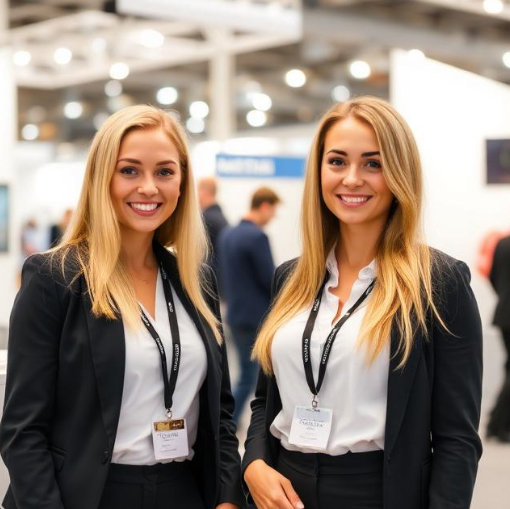
Gone are the days when a “booth hostess” simply smiled and handed out flyers. In Russia, the role carries far more weight. The term “Стендистка” (Stand Staff) often implies a university-educated professional who acts as a cultural ambassador as much as a sales assistant. Modern agencies categorize personnel into specific, skill-based tiers:
| Role | Primary Function | Key Requirement |
|---|---|---|
| Stand Hostess / Brand Ambassador | Greeting visitors, distributing materials, crowd management, and maintaining a professional atmosphere. | Fluent Russian & basic English; strong presentation skills; professional appearance. |
| Promoter | Actively engaging passers-by in the aisles to draw foot traffic, distribute samples, and create a “buzz” around the booth. | Charismatic, proactive, and energetic. |
| Sales Representative | Pitching products, answering detailed questions, and closing deals on the spot. | Industry expertise; persuasive communication and sales skills. |
| Technical Interpreter | Facilitating deep technical conversations, translating complex product specs, and assisting in high-stakes negotiations. | Native Russian + English/other languages; ability to handle industry jargon; often commands a salary premium of 40-60% for languages like Chinese, Turkish, or Arabic. |
| Senior Business Assistant | Managing VIP delegations, facilitating complex negotiations, and acting as the main point of contact for the exhibitor. | Advanced technical vocabulary + negotiation experience; daily rates often exceed 20,000 RUB. |
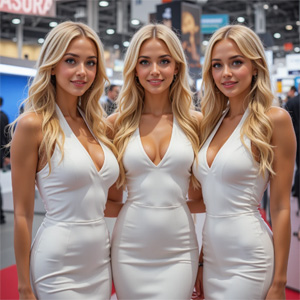
| Promo Model | For high-traffic consumer exhibitions, used to attract attention to premium products or luxury brands. | “Charming girls with model appearance”. |
The “Moscow Factor”: Culture and Logistics
What makes Moscow unique is the specific intensity of the requirements. Staff are expected to act as “Cultural Mediators”. Russian business culture places a high value on hospitality, patience, and relationship-building.
Key Cultural Nuances:
- Dress Code: While U.S. business attire is acceptable, Russian women tend to dress more flamboyantly. High heels and tailored, fashionable suits are the norm. Agencies often provide specific wardrobe rentals to ensure visual alignment with the brand.
- Hospitality is Business: In-booth hospitality is prevalent. Offering tea, coffee, champagne, and notably, vodka, is a sign of hospitality and often a precursor to a “gentlemen’s agreement”.
- Non-Verbal Rules: Staff must be trained to avoid gestures considered vulgar in Russia, such as the American “OK” sign or standing with hands in pockets.
- Language: While many Russian buyers speak English, they conduct business in Russian. Bilingualism is mandatory for effective sales staff. The demand for Chinese, Turkish, and Arabic speakers has skyrocketed due to shifting supply chains.
Logistics and Pitfalls:
- The “Freebie” Gangs: Exhibitors are warned about professional gangs who swarm booths on the first day specifically to steal promotional items.
- Patience is Key: Punctuality is treated more flexibly than in some Western cultures, but staff must remain professional and unhurried.
- Security: Staff are often on the front line against petty theft. Vigilance is required, particularly regarding mobile phones and laptops.
The Economics of Staffing (2026 Rates)
The compensation for trade show staff in Moscow reflects the high-stakes nature of the events. While full-time exhibition managers earn an average monthly salary of approximately 100,000 Rubles, temporary event staff command significantly higher daily rates due to the specialized, short-term nature of the work.
| Staff Type | Daily Rate (RUB) | Key Requirement |
|---|---|---|
| Standard Promo Staff / Hostess | 8,000 – 10,000 | Fluent Russian & basic English; professional appearance. |
| Bilingual Technical Interpreter | 10,000 – 12,000 | Industry knowledge; ability to handle jargon. |
| Sales Representative / Technical Demonstrator | 10,000 – 12,000 | Industry expertise; persuasive communication. |
| Luxury / Automotive / Senior Specialist | 10,000+ | Advanced technical vocabulary + negotiation experience. |
Note: Many agencies implement incentive structures, such as bonuses of 500–1,000 Rubles per qualified lead generated, to motivate staff. Most professional agencies require bookings 2–3 weeks in advance and provide profiles with photographs and past experience for client approval. Rates typically assume an 8-hour day; overtime and holiday rates are higher.
Where to Source Sales Personnel
International exhibitors have three primary channels for sourcing trade show personnel in Moscow:
1. Professional Staffing Agencies (Most Recommended)
Specialized agencies provide vetted, trained personnel and handle logistics. They offer a “no-show guarantee” with backup staff available within 1-2 hours. Agencies like MoscowHostess.ru provide full-service support, offering staff fluent in Russian, English, Chinese, Turkish, and Arabic. They also offer support such as visa invitation letters for international exhibitors. Another reliable source is MoscowInterpreters.Ru, which has 14 years of experience.
2. Integrated Services (Exhibition Stand Builders)
3. University Partnerships
Moscow is home to elite institutions like MGIMO, the Higher School of Economics (HSE), and RANEPA, as well as specialized institutions like the Moscow State University of Food Production and Plekhanov Russian University of Economics. Recruiting students from these universities ensures a baseline of intelligence, language skills, and cultural sophistication. Students studying marketing, economics, or food technology often work at exhibitions and are eager for hands-on experience.
4. Freelance Platforms (Use with Caution)
Platforms offer flexibility but require careful vetting and carry higher risk.
An Investment in Success
In Moscow, your stand staff is your brand. The city offers a deep pool of educated, elegant, and aggressive sales talent, but they require proper briefing and respect. The most successful exhibitors treat their Moscow team not as temporary hires, but as strategic partners who understand that in Russia, business is personal, and the handshake—firm and direct—is the only contract that matters before the ink dries.
Viewing professional sales personnel as a simple line item cost is a critical mistake. In the context of a Moscow exhibition, they are a strategic investment. They are the force that transforms a static display into a dynamic hub of business activity, the translators who turn technical jargon into compelling benefits, and the relationship-starters who lay the groundwork for the industry’s next major project.