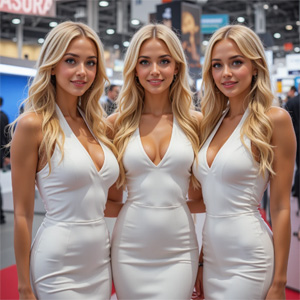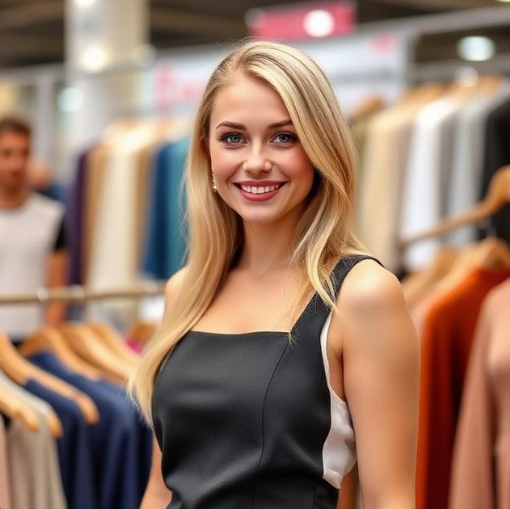
In the dynamic world of textiles and apparel production, where fabric quality, design innovation, and supply chain reliability define commercial success, professional presentation plays a vital role. At Interfabric — Russia’s premier international exhibition of fabrics and textile materials — the exhibition hostess serves as an essential link between global manufacturers and the thousands of industry professionals who attend each year.
Interfabric is held twice annually in Moscow, with the Autumn 2026 edition taking place from September 29 to October 1 at Crocus Expo IEC, Pavilion 2, Halls 9 & 10. The event is organised by SOYUZLEGPROM (Union of Entrepreneurs of Textile and Light Industry Russia) and enjoys robust support from key institutions, including the Russian Ministry of Industry and Trade, the Russian Chamber of Commerce and Industry, the Russian Union of Industrialists and Entrepreneurs, and the Russian Export Center — a testament to its strategic importance.
The Spring 2026 edition featured over 500 foreign exhibitors, including 167 Chinese companies — the largest foreign delegation — alongside participants from Turkey, India, Belarus, and beyond. The Autumn 2026 edition, celebrating the exhibition’s 20th anniversary, is expected to attract similar international participation and thousands of trade visitors from across Russia and the CIS. In this commercially critical and aesthetically driven B2B environment, the hostess is far more than a decorative presence — she is the gateway to the Russian textile market.
Beyond the Welcome Smile: The Strategic Role
At Interfabric, hostesses fulfil responsibilities that extend far beyond basic greeting functions. They serve as textile ambassadors, representing brands to a sophisticated professional audience of manufacturers, importers, wholesalers, retailers, designers, and textile professionals.
The Essential Support Team: Hostesses, interpreters, and booth assistants are the backbone of the on-the-ground experience at Interfabric. They serve as the first point of contact for visitors at exhibition stands, managing foot traffic, distributing promotional materials, and creating a welcoming professional atmosphere. In the textile industry, where presentation and aesthetics are essential to brand image, a polished hostess sets the tone for every visitor interaction. Their professionalism directly reflects on the brand and directly influences brand perception.
Qualifying the Professional Audience: The visitor profile at Interfabric is highly commercial and decision-driven. The exhibition attracts thousands of trade visitors from across Russia, including heads and owners of large textile, knitwear, and sewing production facilities, private ateliers, and leading Russian designers. With visitors spanning textile manufacturers, importers, buying houses, wholesalers, chain stores, designers, and HoReCa professionals, hostesses must quickly distinguish between casual observers and high-value prospects — procurement directors, production managers, and designers seeking new materials. This qualification process ensures that sales and technical teams can focus on meaningful commercial conversations with serious buyers.
Navigating the Textile Landscape: The exhibition covers the complete spectrum of textile products. The product profile includes all types of fabrics (fashion, creative, designer), yarns and threads, home textiles, technical textiles and nonwovens, apparel and garments, accessories and finishing materials, raw materials and dyes, textile machinery, and children’s textile products. A hostess must understand this landscape to direct visitors efficiently — whether they are seeking cotton shirting fabrics, technical textiles for industrial applications, or home textile collections for retail.
Supporting the Business Programme: Interfabric features a comprehensive business programme that underscores the event’s strategic weight. With numerous thematic sessions across key tracks, the programme brings together top management, entrepreneurs, experts, and government officials. The speaker lineup includes representatives from the Federation Council, the State Duma, the Ministry of Industry and Trade, and the Eurasian Economic Commission, alongside experts from leading financial institutions, academic institutions, and industry companies. International participation from India, China, and Turkey further broadens the perspective. Hostesses assist with these sessions, managing audience flow, directing delegates, and ensuring smooth transitions between the exhibition floor and conference rooms.
Cross-Cultural Communication: With participants from China, Turkey, India, Belarus, and other countries, multilingual hostesses serve as critical links between international exhibitors and Russian-speaking buyers. The exhibition has become a strategic platform for countries seeking to expand their presence in the Russian market, with the Russian textile industry actively diversifying its sourcing base amid constrained traditional supply channels. Hostesses facilitate the technical negotiations, product presentations, and partnership discussions that underpin this expanding trade relationship. For international companies, securing an interpreter who understands textile industry terminology is essential for effective communication.
The Unique Demands of the Textile Sector
The hostess at Interfabric must navigate a landscape unlike any other exhibition. The products are highly tactile, aesthetically driven, and subject to the demands of both fashion and technical applications.
The “Touch and Feel” Experience: Unlike many trade shows where products can be viewed at a distance, textiles demand hands-on engagement. Buyers need to feel fabric weight, drape, and texture; examine weave density and finishing quality; and appreciate the craftsmanship behind each material. Hostesses facilitate this tactile experience, helping visitors appreciate the quality that justifies sourcing and production decisions.
Aesthetic and Technical Literacy: A successful hostess should understand the vocabulary of the textile industry — from weave types and fabric constructions to finishing techniques and technical specifications. The exhibition covers both fashion and technical textiles, including nonwovens, medical textiles, and industrial fabrics. This knowledge enables meaningful preliminary conversations with designers, production managers, and technical buyers alike. Knowledge of the sector’s key players and market dynamics — including the growing preference for reliable alternatives to traditional European suppliers — helps bridge the gap between exhibitors and specialist visitors.
Managing the High-Volume Environment: With numerous exhibitors, thousands of trade visitors, and multiple country pavilions, the show floor is intense. Hostesses manage visitor flow, coordinate with exhibitors, and ensure smooth operations across the exhibition halls. Experience with the specific demands of textile trade shows — navigating the venue, understanding the exhibition’s thematic structure, and managing the intense schedule — sets professionals apart.
Supporting International Pavilions: Interfabric regularly features dedicated country pavilions, including the “India Pavilion” organised by MATEXIL and FIEO. These pavilions represent the entire textile value chain from fibre and yarns to fabrics, ready-made garments, and home textiles. Hostesses working in these pavilions must understand the specific needs of international exhibitors and Russian buyers, facilitating matchmaking and partnership discussions. The India–Russia bilateral trade relationship makes this role particularly significant.
The Geopolitical Context: The Russian textile and apparel industry is actively diversifying its sourcing base because of constrained traditional supply channels. With limited competition from traditional suppliers and a growing preference for reliable alternatives, manufacturers from China, India, Turkey, and other nations are receiving strong market traction. The exhibition’s track record of high-level official attention — with visits from Russia’s Deputy Minister of Industry and Trade, the Chairman of the Chamber of Commerce, and State Duma representatives — signals to international exhibitors that Interfabric is a forum where business meets policy. Hostesses who understand this context can better serve visitors seeking to navigate the changing market landscape.
Essential Qualifications for Success
The demanding environment of a major textile exhibition requires specific qualifications:
- Industry Curiosity: A genuine willingness to learn about the textile industry — from fabric types and finishes to technical textiles, home textiles, and apparel manufacturing.
- Language Skills: Fluency in Russian and English is essential; knowledge of Chinese, Turkish, Hindi, or other languages provides significant advantages given the international participation.
- Professional Demeanour: Appearance and demeanour must project design sophistication and professionalism — qualities highly valued in the textile and fashion sector. Physical stamina is essential for long exhibition hours.
- Cultural Intelligence: Understanding Russian business etiquette and the textile industry culture helps build rapport with visitors and buyers. Relationship-building is particularly important in the Russian market, where trust is the foundation of long-term supply chain partnerships.
- Commercial Awareness: The ability to identify key decision-makers among manufacturers, importers, wholesalers, and designers, and to direct them to the appropriate sales or technical staff.
The Strategic Investment for Exhibitors
For exhibitors at Interfabric, selecting a hostess is a strategic investment. The exhibition serves as Russia’s and Eastern Europe’s largest specialised platform for textile producers, where purchasing decisions are made and new business partnerships are established across the entire textile value chain. Professional hostesses contribute to:
- Qualified Lead Generation: By identifying key decision-makers among textile manufacturers, importers, wholesalers, retailers, and designers.
- Professional Brand Presentation: In a competitive B2B environment, professional representation communicates brand reliability and design sophistication.
- International Reach: With exhibitors from multiple countries, multilingual hostesses facilitate communication and help navigate cross-cultural business interactions.
- Event Support: Hostesses assist with the broader event infrastructure, managing visitor flow and supporting the business programme.
At Interfabric, the hostess is the ultimate textile ambassador. She facilitates the professional connections that drive the textile and apparel industry, embodies the brand’s commitment to quality and design excellence, and navigates the complex logistics of Russia’s premier textile event. For fabric manufacturers, yarn producers, accessory suppliers, and buyers alike, the hostess is an indispensable component of the Interfabric ecosystem — not merely a greeter, but a strategic asset in the world of textiles and fashion. While Interfabric showcases the best of the global textile industry, from fashion fabrics to technical textiles and home collections, it is the hostesses, interpreters, and booth assistants who ensure that exhibitors and visitors can connect, communicate, and conduct business effectively across the vast Russian-speaking market and beyond.