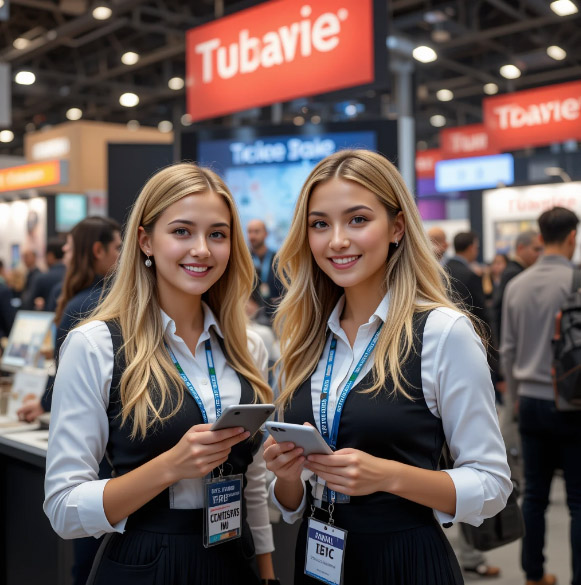
The atmosphere at Moscow’s Rapid Prototyping fair is one of tangible potential. 3D printers hum, laser cutters etch intricate designs, and robotic arms demonstrate flawless precision. This is where engineers, product designers, manufacturing CEOs, and R&D specialists come to find the tools that will turn a concept into a physical reality, faster than ever before.
In this environment of intense technical scrutiny and innovation, every element of an exhibitor’s presence must signal competence, precision, and forward-thinking. The outdated practice of employing “Trade Show Girls” – models hired primarily for aesthetic appeal – is a profound strategic misalignment that can actively undermine a company’s credibility and obscure its message.
The Fundamental Disconnect
The rapid prototyping industry is built on a foundation of engineering excellence, material science, and technical problem-solving. Attendees are professionals making significant capital investments. Their questions are specific and demanding: they need to know about micron-layer resolution, tensile strength of printed composites, biocompatible materials, software integration, and production-grade durability.
Introducing staff into this context who are chosen for their appearance and not their knowledge creates an immediate and damaging dissonance. It suggests a company prioritizes superficial attraction over substantive expertise, eroding the very trust required to close high-value deals. In Moscow’s business culture, which values demonstrated capability and serious partnership, this approach can be perceived as unprofessional and out of touch.
The Modern Prototype: Evolving Booth Staff into Technical Ambassadors
The most successful exhibitors understand that their human capital is as important as their technology. They replace the concept of “show girls” with a strategic team of Technical Demonstrators and Product Specialists.
This evolved team is characterized by specific, value-driven roles:
1. The Applications Engineer:
This is the most critical person on the floor. Often an internal engineer or a highly trained technician, this individual doesn’t just hand out brochures; they troubleshoot, advise, and problem-solve live. They can discuss the merits of SLS vs. FDM for a specific part, explain support structure strategies, and interpret a client’s CAD file on the spot. They are the ultimate credibility-builder.
2. The Bilingual Engagement Specialist:
For any international company, this role is indispensable. This professional is fluent in Russian and English and understands the nuances of technical translation. They are the first point of contact, skilled at greeting visitors, qualifying their application needs (e.g., “Are you prototyping for functional testing or visual presentation?”), and seamlessly introducing them to the Applications Engineer. They ensure no technical nuance is lost in translation.
3. The Demo Operator:
The magic of rapid prototyping is in the doing. The Demo Operator is trained to safely and compellingly run the equipment. Their role is to showcase the printer’s reliability, the smooth operation of the software, and the stunning quality of a freshly printed object. They turn technical specifications into a captivating visual story, drawing a crowd and generating qualified interest.
Building a High-Performance Team for Moscow
To deploy this human resource effectively, exhibitors must adopt a strategic approach:
- Recruit for Competence, Not Just Composure: Seek out individuals with a background in engineering, industrial design, or technical sales. Look for quick learners with excellent communication skills and a professional demeanor.
- Invest in Deep, Immersive Training: Training must go beyond a simple script. It should include hands-on time with the equipment, deep dives into material properties, and rigorous role-playing exercises to handle complex technical inquiries.
- Empower with Tools and Authority: Equip your team with tablets containing CAD files, material data sheets, and a sophisticated lead capture system. Empower them to make on-the-spot assessments and decisions to qualify leads effectively.
- Foster a Feedback Loop: Include your booth staff in strategic debriefs. Their frontline interactions provide invaluable real-time intelligence on competitor activity, emerging client needs, and the effectiveness of your messaging.
Conclusion: Engineering Human Connections
At the Moscow Rapid Prototyping fair, you are not just selling a machine; you are selling precision, reliability, and partnership. Your booth staff are the human embodiment of those values.
By decisively moving beyond the archaic “Trade Show Girl” model and investing instead in a team of knowledgeable, professional technical ambassadors, you make a powerful statement. You show the market that you respect the intelligence of your clients, understand the gravity of their work, and possess the expertise to be a true partner in innovation. In a field dedicated to building the future, your people should reflect the quality and intelligence of the products they represent.