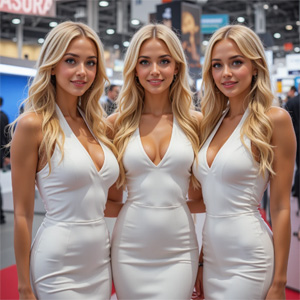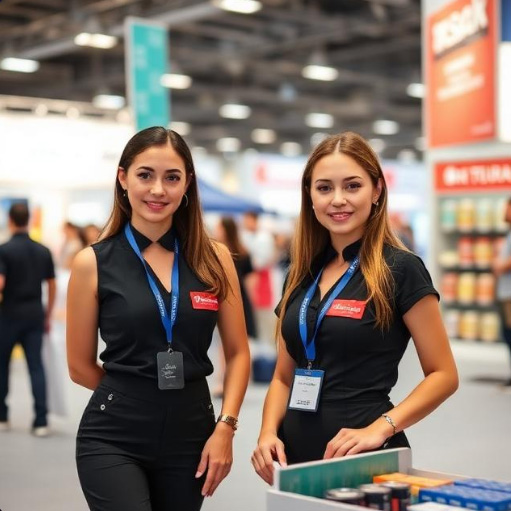
In the industrial halls of Moscow’s Crocus Expo International Exhibition Center and the Timiryazev Centre, the air carries the distinctive chemistry of innovation—the faint scent of resins, the metallic whisper of electroplating lines, and the quiet hum of precision machinery. This is the world of Russia’s premier coating industry events: Interlakokraska, celebrating over 30 years as the country’s largest international exhibition for paints, varnishes, and coatings, and ExpoCoating Moscow, the leading specialized exhibition for surface treatment, coatings application, and electroplating.
At Interlakokraska 2026, 299 companies from 9 countries (including China, Iran, Turkiye, South Korea, and Belarus) gathered across 14,700+ square meters, attracting 8,230 professional visitors—paint technologists, chief engineers, and purchasers from holdings and manufacturing companies across Russia. ExpoCoating Moscow, now in its 24th edition, draws 225+ exhibitors and over 13,700 buyers, with an extraordinary 95% of visitors holding direct purchasing authority.
Amidst this high-stakes industrial environment—where a single contract for anti-corrosion coatings or a complete electroplating line can run into millions of dollars—one professional ensures that every visitor interaction yields the right chemical reaction: the Russian exhibition booth assistant.
The “Industrial-Grade” Professional
Unlike consumer trade fairs, Moscow’s coating events operate in a world of exacting technical specifications, regulatory compliance, and heavy industrial decision-making. The standard “booth model” or a simple greeter is not merely inadequate—it can actively damage a brand’s reputation in this precision-driven sector.
According to Moscow-based agencies that specialize in industrial exhibition staffing, the role of the booth assistant in the coating industry has evolved dramatically. Today, these professionals function as strategic assets—multifunctional specialists who combine language fluency, cultural intelligence, and industry knowledge to bridge the gap between international exhibitors and the Russian market.
As the Russian exhibition services market has matured, the modern booth assistant is understood as a tripartite resource: language expert, business assistant, and operations manager rolled into one. For the coatings sector, a fourth critical element is required: technical literacy in industrial chemistry and application processes.
The Coating-Specific Skillset: From Resins to Rectifiers
To understand the specific demands of a coating industry booth assistant, one must look at the exhibit categories at Moscow’s premier events.
At Interlakokraska, the full cycle of paint and coating production is on display: materials and coatings for surface treatment, raw materials for all types of paints and coatings (pigments, resins, solvents, additives), equipment for production and application, feeding and cleaning systems, and waste treatment solutions. The 2026 edition placed special emphasis on eco-friendly formulations, anti-corrosion solutions, and low-VOC technologies.
At ExpoCoating Moscow, the focus extends to electroplating equipment, surface treatment technologies, wastewater treatment systems, and air purification solutions.
A booth assistant working this floor must be able to:
- Differentiate between coating types: Distinguish between powder coatings, liquid paints, anti-corrosion primers, electroplated finishes, and specialty functional coatings (anti-fouling, heat-resistant, conductive)
- Understand application methods: Know the basics of spray application, dip coating, electrostatic application, and electroplating processes
- Speak the language of testing: Recognize terminology like viscosity, adhesion, gloss level, salt spray resistance, and curing schedules
- Navigate compliance concerns: Understand that Russian buyers prioritize GOST certification, environmental compliance, and performance in extreme climates—from the humidity of Novorossiysk to the sub-zero temperatures of Siberia
As one exhibitor at Interlakokraska noted, “Paint technologists, chief engineers and purchasers from various holdings and manufacturing companies from all over Russia come here”. A booth assistant who cannot engage with these specialists will be bypassed immediately.
Key Terminology for Coating Booth Assistants
To be effective, a Russian booth assistant must command a working vocabulary that spans chemistry, engineering, and quality control:
| Category | Key Terms |
|---|---|
| Coating Types | Powder coating, liquid paint, primer, topcoat, electroplating, anodizing, galvanizing, anti-corrosion, anti-fouling |
| Raw Materials | Resins (epoxy, polyester, acrylic), pigments, solvents, biocides, additives, hardeners |
| Application Equipment | Spray booth, electrostatic gun, dip tank, curing oven, electroplating line, rectifier |
| Testing & Quality | Viscosity, solids content, adhesion (cross-cut test), gloss meter, salt spray chamber, thickness gauge |
| Environmental Compliance | VOC (volatile organic compounds), low-VOC, water-based, HAPs, wastewater treatment, air filtration |
| Industry Applications | Automotive coatings, aerospace primers, marine paints, industrial maintenance coatings, coil coatings |
The Three Pillars of the Coating Booth Assistant
Based on the technical density and commercial stakes of events like Interlakokraska and ExpoCoating Moscow, the role of the coating booth assistant rests on three critical pillars.
The Technical Filter and Lead Qualifier
At Interlakokraska 2026, the show floor was dense with serious buyers. According to post-show reports, the exhibition drew “paint technologists, chief engineers and purchasers from various holdings and manufacturing companies from all over Russia”. The assistant’s first job is to filter and qualify these visitors rapidly.
A skilled assistant engages visitors with strategic questions:
- “What type of coating application do you run—liquid, powder, or electroplating?”
- “What substrates do you coat? Metal, plastic, wood, concrete?”
- “What performance requirements do you need—corrosion resistance, temperature tolerance, chemical resistance?”
- “Are you looking for raw materials, application equipment, or testing instruments?”
- “What is your annual production volume or coating consumption?”
This qualification ensures that senior technical staff and sales engineers focus only on high-value prospects, maximizing ROI from the exhibition.
Andrey Belko, Director at the Frem Plant of Additives and Greasings, noted the intensity of the engagement: “It is almost six o’clock, but people do not leave our stand. Everyone wants to talk about our new products”.
The Technical Communicator and Bridge
In an industry where precision is paramount, miscommunication is not an option. The booth assistant serves as the technical bridge between international exhibitors and Russian buyers.
At Interlakokraska, Russian buyers seek detailed answers about product chemistry, performance characteristics, and application parameters. They want to know: Does this coating meet our climate requirements? Is it compliant with Russian technical regulations? How does it perform in salt spray testing?
The assistant translates not just words, but the intent and nuance of technical inquiries. They communicate:
- Product specifications (viscosity, solids content, curing requirements)
- Performance data (corrosion resistance, adhesion strength, weatherability)
- Application parameters (spray pressure, curing temperature, film thickness)
- Compliance documentation (GOST certifications, safety data sheets, environmental clearances)
As Anna Makarova, Head of Sales at RusSilica, explained: “Here we can speak and present our products in lay terms, with the help of our technologist, how we can help solve issues in different industries”. The assistant facilitates this dialogue, ensuring that when the technologist joins the conversation, they start from a foundation of shared understanding.
The Cultural Protocol Officer
In the Russian coating industry, relationships matter as much as technical specifications. According to industry experts, Russian business culture heavily emphasizes hospitality and relationship-building—a practice that extends to the exhibition floor.
A professional Russian booth assistant knows that:
- Formal address is expected: Using correct titles and patronymics (first name + patronymic) signals respect
- Hospitality builds trust: Offering tea, coffee, or water is not merely polite—it is culturally expected and facilitates commercial conversations
- Business cards carry weight: Exchanging cards with both hands and taking a moment to read the received card demonstrates genuine interest
- Directness has its place: Russian buyers appreciate straightforward answers about product performance and pricing—but within a framework of professional respect
The assistant serves as the exhibitor’s cultural guide, navigating these expectations so that the international team can focus on the technical conversation. Chinese exhibitors, in particular, are advised to have business cards printed double-sided (Chinese + Russian) and to ensure booth signage prioritizes Russian language.
The Venue Factor: Conquering Moscow’s Exhibition Landscape
Moscow’s coating industry events are hosted at two primary venues, each presenting distinct operational demands.
Crocus Expo International Exhibition Center (home of ExpoCoating Moscow) is a sprawling complex located approximately 20 kilometers from the city center. Traffic on the MKAD ring road is notoriously unpredictable. Professional assistants arrive early—often before the 9:00 AM opening—to ensure that demo equipment is powered on, coating samples are displayed properly, and the booth is pristine before the first buyer walks in.
The Timiryazev Centre (home of Interlakokraska) hosted the 30th anniversary edition in 2026, with the show moving to Vavilov and Chayanov Halls. This venue, while less sprawling than Crocus, requires its own logistical familiarity. Assistants working here must navigate the layout confidently to direct attendees to conference sessions, VIP areas, and partner booths.
The Growing Importance of the Russian Coating Market
Several factors make the Russian coating industry particularly dynamic—and particularly demanding for exhibition staff.
The Push for Technological Sovereignty
At Interlakokraska 2026, the plenary session focused on the “Strategic Directions of Development of the Paint and Coating Sub-Industry,” with participation from the Russian Ministry of Industry and Trade. The Russian government is actively supporting domestic coating production and import substitution. As Anton Alikhanov, Minister of Industry and Trade of Russia, stated: “Over 30 years of its existence, the show has established itself as the most important platform for the exchange of experience, knowledge and innovations in the paint and coating industry”.
This environment creates significant opportunities for international suppliers from China, Turkiye, India, and other friendly nations—but also requires skilled local support to navigate import regulations, certification requirements, and government procurement processes.
The Shift in Supply Chains
With evolving global trade dynamics, the Russian coating market has seen a significant influx of raw materials and equipment from China, Turkiye, Iran, and South Korea. At Interlakokraska 2026, 139 foreign companies exhibited alongside 160 Russian companies.
This international character creates demand for multilingual assistants. While English remains important, Mandarin and Turkish speakers are increasingly valued. As one agency noted, “Chinese, German, and Arabic language professionals are in high demand and often command significantly higher compensation”.
The Sustainability Imperative
ExpoCoating Moscow 2026 has introduced a new Functional Specialty Coating zone, focusing on low-carbon, environmentally friendly coatings, long-lasting anti-rust protection, and energy-efficient application processes. Assistants who understand the language of low-VOC, water-based, and high-durability coatings are particularly valuable as exhibitors position their products within Russia’s green industrial transition.
The Hierarchy of Coating Booth Assistants
Given the technical demands and varying needs of exhibitors, Moscow agencies typically offer a tiered staffing model for industrial events:
| Role | Primary Function | Required Knowledge | Best For |
|---|---|---|---|
| Bilingual Hostess | Welcoming visitors, badge scanning, brochure distribution, traffic management | Professional presentation; basic Russian/English fluency | Brands needing general visitor management and brand presence |
| Booth Assistant | Product presentations, basic Q&A, lead qualification, explaining product ranges | Coating industry terminology; understanding of product categories; sales awareness | Mid-sized exhibitors with standard product lines |
| Technical Specialist / Interpreter | In-depth technical discussions, VIP buyer engagement, complex negotiation support | Advanced coating chemistry knowledge; understanding of application equipment; multilingual skills | Premium exhibitors with complex products requiring detailed explanation |
According to Moscow staffing data, professional exhibition assistants can help reduce participation operating costs by approximately 30% and increase visitor engagement efficiency by as much as 50%. Daily rates for experienced coating industry assistants typically range from 15,000 to 20,000 rubles, with technical specialists and rare language combinations commanding premium rates.
The Voice of the Industry: Why Quality Support Matters
The exhibitors at Interlakokraska 2026 speak directly to the value of professional engagement:
Daniil Altunin, Commercial Director at Industrial Service Technologies:
“Interlakokraska is the industry’s main trade show of the year. Where if not at Interlakokraska do we have to showcase ourselves, and find new partners and new contracts”.
Andrey Li, Head of Sales at Kras:
“Participation in a show like this one is always prestigious. Interlakokraska is about communicating with new clients. Old customers are returning. They see our development. It helps us a lot”.
Elena Belova, Sales Director at Afaya:
“This is a great opportunity to meet with key customers over four days. This is why annual participation is important for us, because it allows us to save money and resources, and most importantly, to reach important agreements instantly at the moment”.
These testimonials underscore a central truth: at Russia’s coating exhibitions, the quality of human interaction directly correlates with commercial success. The booth assistant is not overhead—she is the interface through which deals are initiated and relationships are forged.
Why Your Coating Brand Cannot Afford a Novice
In the high-stakes world of industrial coatings—where a single contract for a factory’s electroplating line or a shipping container’s anti-corrosion system can be worth millions of dollars—the margin for error in technical communication is zero.
A professional Russian exhibition booth assistant:
- Builds credibility instantly by answering technical questions about resin systems, application parameters, and performance characteristics
- Filters casual visitors from serious procurement decision-makers—protecting your engineers’ time for the conversations that matter
- Bridges the language gap with Russian plant managers, coating technologists, and quality control specialists who prefer to work in their native language
- Navigates Russian business culture—understanding that technical competence must be demonstrated before contracts are signed
- Collects precise lead data—noting coating requirements, substrate types, performance needs, and follow-up timelines
- Stays current on industry trends, including the push for technological sovereignty, the influx of Chinese and Turkish materials, and the sustainability agenda
As one industry source noted: “Professional exhibition assistants can help you get 3 times more qualified leads than an unattended booth”.
Finding Qualified Coating Booth Assistants in Moscow
The most successful exhibitors source their assistants through specialized Moscow agencies that maintain rosters of pre-vetted professionals with industrial and chemical industry experience. Agencies like MoscowHostess have specific experience providing booth assistants for ExpoCoating Moscow.
These agencies typically provide:
- Pre-show preparation including product line briefings, technical glossary creation, and lead capture training
- During-show support including visitor engagement, live demo assistance, sample management, and meeting coordination
- Post-show follow-up including lead database organization and visitor feedback analysis
Exhibitors are advised to book their assistants 4–6 weeks in advance of major shows like Interlakokraska (February/March) and ExpoCoating Moscow (October), as the most qualified industrial professionals are reserved early.
Conclusion: The Catalyst for Commercial Success
In the high-precision, high-stakes world of Moscow’s coating industry exhibitions, a gleaming display of coating samples or a stack of technical datasheets is not enough. The difference between a successful market entry and an expensive lesson in silence often comes down to the person standing in front of the booth.
The professional Russian exhibition booth assistant is the first handshake, the technical interpreter, and the last impression for thousands of potential buyers. They translate not just words, but viscosity ratings, corrosion test results, and compliance standards. They ensure that a Chinese resin supplier connects with a Russian paint manufacturer, that a Turkish electroplating line finds its way to a Russian factory, and that a Iranian pigment producer gains the trust of a Moscow coatings laboratory.
As one Interlakokraska participant concluded: “Participation in the show is an investment in your company and a response to the market that you are alive, you are developing”. And for international exhibitors seeking to make that investment count, the Russian booth assistant is the catalyst that transforms presence into profit.
For any international coating or surface treatment company looking to break into the dynamic, demanding, and opportunity-rich Russian market—a market actively pursuing technological sovereignty and hungry for innovative solutions—investing in a professional Russian exhibition booth assistant is not an expense. It is the essential component of your exhibition strategy.
After all, in the coating industry, the quality of the application depends entirely on the preparation of the surface. The same is true for market entry: success depends on the quality of the professionals you place at the front of your booth.