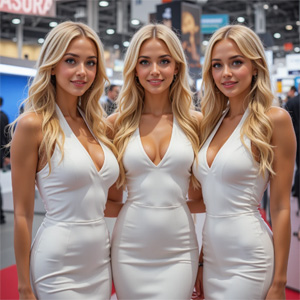
In the vibrant, tactile world of Moscow’s premier fabrics trade fair—where textiles tell stories of innovation, tradition, and luxury—the difference between a passing glance and a lasting partnership often hinges on one critical element: the event staff. These professionals are far more than booth attendants; they are Textile Ambassadors, Brand Storytellers, and Relationship Weavers who transform rolls of fabric into compelling narratives and commercial opportunities.
The Russian textiles market, with Moscow at its bustling heart, is a sophisticated ecosystem serving fashion houses, interior designers, furniture manufacturers, and procurement teams for major hotel chains. At events like Textilexpo or Interfabric, where touch, drape, and technical specifications dictate decisions, the event staff serve as the essential human interface between product and client. Their role is to educate, engage, and convert in an environment where quality is felt as much as it is seen.
The Fabric of Their Role: Key Responsibilities of Event Staff
The responsibilities of event staff at a fabrics trade fair are as layered and intricate as the materials they represent:
- Sensory Guides and Product Evangelists: Fabric is a sensory experience. Staff are trained to guide clients through this experience—inviting them to feel the weight of a silk, appreciate the stretch of a technical performance textile, or examine the intricacy of a jacquard weave. They articulate the story behind the material: its origin, its manufacturing process, its durability, and its ideal application, transforming a sample swatch into a solution.
- Technical Interpreters and Problem-Solvers: The modern textiles industry blends artistry with advanced technology. Staff are briefed to discuss technical specifications—from thread count and fibre blends (e.g., wool-silk, organic cotton-modal) to performance features like moisture-wicking, flame resistance, or UV protection. They answer detailed questions from technical designers and procurement managers, ensuring clients have the confidence to specify materials for their projects.
- Lead Qualification and Client Triage: In a busy fair, identifying serious buyers is paramount. Staff are skilled at engaging visitors in conversation to discern their role—be it a designer from a luxury fashion brand, a sourcing agent for a furniture giant, or a representative from a theatre production company. This ensures that sales leads are accurately tagged and that senior sales personnel can prioritize high-value interactions effectively.
- Brand Embodiment and Trust Building: The textiles business is built on relationships and a reputation for reliability. The professionalism, knowledge, and demeanour of the event staff directly reflect the mill’s or brand’s commitment to quality. They build immediate trust, which is essential when clients are making significant purchasing decisions based on a small sample.
- Linguistic and Cultural Mediators: For international exhibitors, this is a superpower. Fluent Russian-speaking staff are indispensable for navigating deals, understanding local design trends and colour preferences, and building rapport with Moscow’s manufacturing and design community. They ensure that nuances of quality, delivery terms, and customization options are perfectly communicated.
The Moscow Distinction: The Value of Local Expertise
The Moscow market has its own unique rhythms, key players, and aesthetic preferences. Local event staff provide an invaluable competitive edge. They offer:
- Cultural Fluency: An understanding of local business etiquette, negotiation styles, and the specific needs of the CIS manufacturing and design market.
- Market Intelligence: Insight into which local factories work with certain materials, which designers are influential, and what trends are dominating Russian fashion and interiors.
- Logistical Ease: Managing staffing logistics locally reduces administrative burden and ensures a smoother operation.
The Ideal Profile: A Blend of Aesthetic Sense and Professional Acumen
The most effective event staff in this sector possess a unique combination of traits:
- Tactile Intelligence: A genuine appreciation for textiles and an ability to communicate their sensory qualities.
- Industry Curiosity: An interest in fashion, interior design, or manufacturing processes.
- Professional Poise: The ability to interact confidently with both creative designers and bottom-line-focused procurement managers.
- Adaptive Communication: The skill to tailor explanations to different audiences, from a master tailor to a retail buyer.
Conclusion: The Human Thread in the Commercial Tapestry
In an industry where quality is judged by hand and eye, the event staff are the human element that connects a client to a product. They provide the context, the knowledge, and the trust that turns interest into an order.
For exhibitors at Moscow’s fabrics fairs, investing in professional, knowledgeable, and culturally-attuned event staff is not an overhead—it is a strategic investment in market entry and growth. They ensure that your fabrics are not just seen, but are understood, appreciated, and specified into the next season’s collections and projects. They are the essential thread that weaves through the entire client experience, binding perception to reality and ultimately, patterning the way for commercial success.