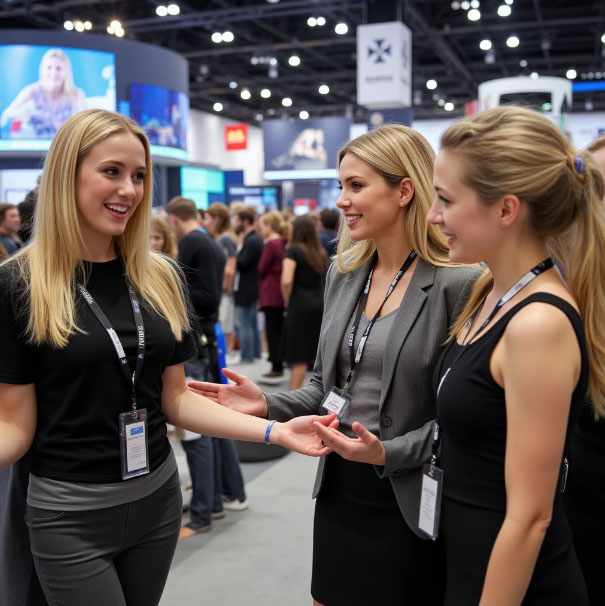
In just under a decade, Moscow has transformed from a peripheral market for electronic cigarettes into one of Eurasia’s most significant hubs for the vape industry. Despite a complex regulatory landscape and shifting public health policies, the demand for vaping products—from basic pod systems to high-wattage box mods and nicotine salts—remains substantial. At the center of this commercial ecosystem are Moscow’s international vape exhibitions, events that bring together manufacturers, distributors, retailers, and consumers under one roof to trade, network, and navigate the future of nicotine consumption.
The Evolution of Vaping in the Russian Market
Russia’s relationship with vaping has followed a different trajectory than that of Western Europe or North America. While some markets have clamped down heavily on flavors and marketing, Russia initially adopted a relatively permissive approach. This regulatory gap allowed a vibrant retail culture to flourish, with vape shops appearing in nearly every Moscow neighborhood and online sales booming.
Today, the market has matured. Regulations have tightened, including restrictions on online sales, advertising bans, and the introduction of excise taxes on nicotine-containing liquids. However, consumer demand has proven resilient. Moscow’s vape exhibitions have evolved alongside the market, shifting from enthusiast-focused gatherings to professional trade events where serious business is conducted.
The Flagship Event: Vape Club Show
The most prominent fixture on Moscow’s vape exhibition calendar is the Vape Club Show, organized by the industry publication Vape Club Russia. Held multiple times annually at venues such as the Sokolniki Exhibition and Convention Center or the Timiryazev Centre, this event has become the default gathering point for the Russian-speaking vape industry.
Vape Club Show distinguishes itself through its dual focus on trade and consumer engagement. During designated trade hours, distributors from China, Russia, and other manufacturing centers meet with retail buyers to negotiate wholesale orders, discuss pricing, and preview upcoming product lines. In the consumer sessions, the atmosphere shifts dramatically, with cloud-chasing competitions, coil-building workshops, and product tastings drawing enthusiastic crowds.
The exhibition floor at Vape Club Show is a sensory overload. Hundreds of booths display gleaming metal devices, shelves of colorful e-liquid bottles, and racks of disposable vapes in every conceivable flavor. The air is thick with vapor, and the constant hum of conversation in Russian, English, and Chinese underscores the international nature of the business.
VAPEXPO Russia
While Vape Club Show emphasizes community and culture, VAPEXPO Russia takes a more corporate approach. Held at the Expocentre Fairgrounds, a venue better known for heavy industry and luxury goods, VAPEXPO positions itself as the serious business-to-business event for the Russian vape market.
VAPEXPO features a more structured conference program alongside its exhibition halls. Industry analysts present market data, tracking the size of the Russian vape market, growth rates, and consumer demographics. Lawyers and compliance specialists lead seminars on Russia’s evolving tobacco and nicotine regulations, helping international brands understand the certification requirements, warning label mandates, and packaging restrictions they must meet.
The exhibition floor at VAPEXPO reflects this professional focus. While there are still product displays, the emphasis is on efficiency. Buyers arrive with procurement budgets and leave with signed contracts. Many exhibitors reserve private meeting rooms away from the main floor for serious negotiations.
International Participation and Sourcing
Moscow’s vape exhibitions are genuinely international affairs, though the composition of foreign participants has shifted over time. China remains the dominant manufacturing source, and Chinese exhibitors occupy a substantial portion of exhibition space at both major events. Companies from Shenzhen, the global center of vape hardware production, send sales teams to Moscow to maintain relationships with Russian distributors and monitor market trends.
Other manufacturing centers are also represented. South Korean and Malaysian e-liquid manufacturers, known for their distinctive flavor profiles, have established a presence at Moscow exhibitions. American and European brands, while less prominent than in previous years, still appear through Russian distribution partners.
For Russian retailers, these exhibitions offer a critical opportunity to source products directly, bypassing intermediaries. Given the volatility of international shipping and customs clearance, establishing reliable direct supply relationships is essential. The exhibitions provide a controlled environment for vetting new suppliers, examining product quality firsthand, and negotiating payment terms.
The Product Landscape
Walking the floor of a Moscow vape exhibition reveals the product categories that dominate the Russian market. Disposable vapes have exploded in popularity, driven by their convenience and low entry cost. Exhibition booths dedicated to disposables display devices in dozens of colors and flavors, with puff counts ranging from a few hundred to several thousand.
Open-system devices, including pod mods and box mods, retain a loyal following among enthusiasts. These products appeal to users who enjoy customization, lower long-term costs, and the ritual of coil building and wicking. Exhibitors in this segment emphasize build quality, safety features, and aesthetic design.
E-liquids represent the largest product category by variety if not by revenue. Moscow exhibitions feature hundreds of e-liquid brands, ranging from mass-market budget lines to premium artisanal blends. Flavor profiles run the gamut from traditional tobacco and menthol to complex dessert blends, exotic fruits, and beverage-inspired creations. Russian palates show some distinctive preferences, with certain flavors like kvass, honey cake, and Siberian berries appearing more frequently than in Western markets.
Nicotine salts, which deliver higher nicotine concentrations with less throat irritation, have carved out a significant niche. Exhibitors highlight their salt nicotine lines as ideal for former heavy smokers seeking a satisfying alternative to combustible cigarettes.
Hardware Innovation and Technology
The pace of hardware innovation in the vape industry is relentless, and Moscow exhibitions serve as a showcase for the latest developments. Temperature control chipsets, leak-resistant pod designs, magnetic connection systems, and fast-charging batteries all appear in exhibitors’ displays.
One notable trend visible at recent Moscow exhibitions is the integration of smart technology. Bluetooth-connected devices that track puff count, monitor battery status, and lock remotely for age verification have moved from novelty to standard offering. Some manufacturers demonstrate devices with OLED screens displaying real-time wattage, resistance, and remaining e-liquid levels.
Safety features have also advanced significantly. Short-circuit protection, overheat prevention, and child-resistant mechanisms are now standard on legitimate products. Exhibitors emphasize these features particularly when speaking with retail buyers, who face liability concerns if they sell unsafe devices.
Regulatory Navigation and Compliance
No discussion of Moscow’s vape exhibitions would be complete without addressing the regulatory shadow under which the industry operates. Russia has implemented a version of the “honest labeling” tracking system for nicotine-containing products, requiring unique identification codes on each unit. This system, designed to combat counterfeiting and ensure tax collection, has imposed significant compliance burdens on manufacturers and distributors.
Exhibitions have responded by making compliance a central theme. Dedicated seminar tracks cover labeling requirements, excise tax calculations, and the documentation needed for customs clearance. Consultants specializing in Russian regulatory affairs set up booths alongside product exhibitors, offering their services to international brands navigating the system for the first time.
The counterfeit problem receives substantial attention. Genuine manufacturers display their authentication features prominently, from holographic stickers to scannable QR codes. Exhibition organizers work with customs authorities to identify and remove counterfeit goods from the show floor, though the sheer volume of products makes this an ongoing challenge.
The Consumer Element
While primarily trade-focused, Moscow’s vape exhibitions retain a strong consumer component. For Russian vapers, these events are rare opportunities to sample dozens of e-liquid brands, handle devices before purchasing, and meet the personalities behind popular review channels and social media accounts.
Cloud-chasing competitions, in which participants generate the largest vapor clouds using high-powered devices, draw enthusiastic crowds and generate social media content that promotes the exhibition to a wider audience. Coil-building competitions test competitors’ speed and precision in constructing the heating elements that vaporize e-liquid.
These consumer-facing elements serve a commercial purpose. They build brand loyalty, generate buzz, and create content that extends the exhibition’s reach beyond its physical duration. Many exhibitors report that their best retail customers are enthusiasts who first encountered their products at a consumer exhibition session.
Challenges and Adaptations
Moscow’s vape exhibitions have faced significant headwinds in recent years. The COVID-19 pandemic forced cancellations and postponements, and when events resumed, attendance was initially suppressed by health concerns and travel restrictions. Organizers developed virtual exhibition platforms, though these lacked the sensory experience that makes vape exhibitions distinctive.
Geopolitical tensions and the resulting sanctions have complicated international participation. Payment processing between Russian buyers and foreign suppliers has become more difficult, requiring creative solutions. Air freight costs have risen, and some logistics routes have been disrupted. Despite these challenges, the exhibitions have continued, adapting to new realities.
The regulatory environment remains uncertain. Proposed restrictions on flavor names, packaging requirements, and retail display bans could reshape the market dramatically. Exhibition attendees discuss these proposals constantly, sharing intelligence on likely implementation dates and strategies for adaptation.
The Future of Vape Exhibitions in Moscow
Looking ahead, several trends will shape the evolution of Moscow’s vape exhibitions. Consolidation appears likely, as the proliferation of small, regional events gives way to two or three major national shows. Professionalization will continue, with stricter entry requirements for exhibitors and enhanced security measures to prevent underage attendance.
The product mix will evolve as the market matures. Disposable vapes, facing environmental criticism and potential regulatory restrictions, may decline in favor of reusable systems. Heat-not-burn tobacco products, which occupy a regulatory gray area between vaping and combustible cigarettes, may claim more exhibition space.
Technology will play an increasing role. Exhibitions may introduce RFID-enabled badges that track attendee movements and facilitate lead generation for exhibitors. Virtual reality previews could allow international buyers to experience the exhibition remotely, reserving physical attendance for final negotiations.
Despite these changes, the fundamental value proposition of Moscow’s vape exhibitions will endure. In a fragmented, fast-moving industry where product quality and regulatory compliance are paramount, face-to-face interaction remains irreplaceable. The ability to sample an e-liquid, test a device, and look a supplier in the eye while negotiating terms cannot be replicated through a website or a video call.
International vape industry exhibitions in Moscow have matured from niche enthusiast gatherings into sophisticated trade events that reflect the scale and complexity of the Russian market. They serve as critical infrastructure for an industry navigating rapid technological change, evolving regulations, and shifting consumer preferences.
For international manufacturers seeking access to the Russian market, these exhibitions offer the most efficient path to qualified buyers. For Russian retailers, they provide essential sourcing opportunities and market intelligence. And for the industry as a whole, they represent a collective effort to professionalize, self-regulate, and build a sustainable future.
In the sprawling exhibition halls of Moscow, amid the vapor clouds and the bright lights, the business of vaping continues. Deals are struck, relationships are built, and the future of nicotine consumption in Eurasia takes shape, one transaction at a time.