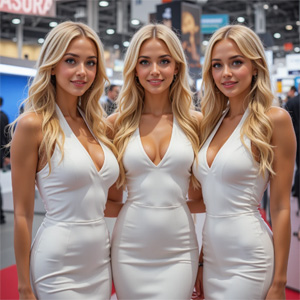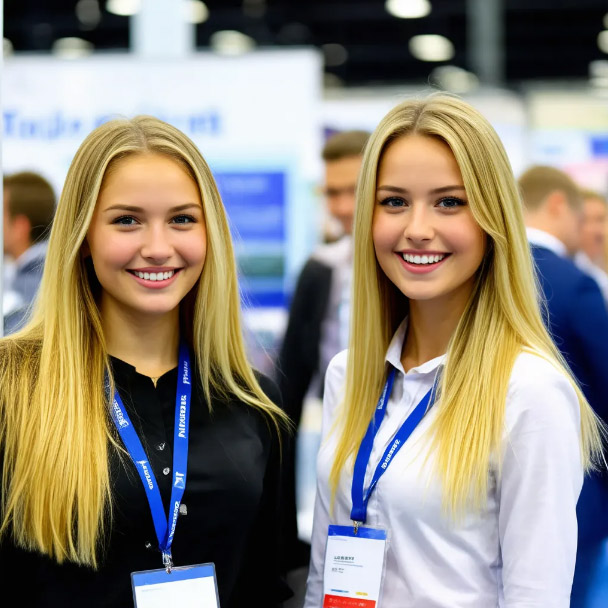
The Nursing & Elderly Care sector in Moscow represents a rapidly growing segment of Russia’s healthcare industry, driven by demographic shifts and technological advancements. Within this context, specialized exhibitions serve as critical platforms for showcasing innovations, forging professional connections, and addressing the complex needs of an aging population. At the heart of these events, professional trade show models emerge as indispensable strategic assets, transcending traditional roles to become knowledgeable brand ambassadors, multilingual communicators, and effective engagement specialists. This article explores the multifaceted responsibilities, essential qualifications, and significant business value that these professionals bring to exhibitions like the Russian Health Care Week and specialized elderly care forums, drawing on insights from industry practices and event profiles.
1 The Moscow Nursing & Elderly Care Exhibition Landscape
Moscow has established itself as a prominent hub for healthcare exhibitions in Eastern Europe, with several key events addressing nursing and elderly care:
- Russian Health Care Week: This comprehensive healthcare event encompasses 20,000 square meters at Crocus Expo IEC and features over 1,000 exhibiting companies from 17 countries, attracting approximately 25,000 professional visitors. While covering broad medical specialties, it includes significant representation from nursing care, elderly care technologies, and rehabilitation equipment.
- Integration Exhibition: This specialized event at Moscow’s Timiryazev Engineering Center focuses on rehabilitation, care, physiotherapy, and inclusion, making it particularly relevant for elderly care providers and nursing professionals.
- Mother and Child Forum: While primarily focused on obstetrics and neonatology, this event at Skolkovo Technopark addresses aspects of geriatric nursing and long-term care methodologies that overlap with elderly care services.
These exhibitions create a dynamic environment where healthcare providers, technology developers, and service providers converge to address Russia’s evolving demographic challenges. With the country’s aging population creating increased demand for specialized care solutions, these events have grown in both scale and significance, requiring more sophisticated approaches to audience engagement and brand representation.
2 Beyond Traditional Roles: The Multifaceted Functions of Trade Show Models
In the context of nursing and elderly care exhibitions, trade show models fulfill complex responsibilities that extend far beyond basic greeting functions:
2.1 Specialized Brand Representation
Trade show models serve as the human embodiment of healthcare brands, requiring a demeanor that balances professional competence with empathetic communication. Unlike other industries, elderly care exhibitions demand models who can project both technical knowledge and emotional intelligence, reflecting the compassionate nature of the sector while maintaining appropriate professionalism.
2.2 Technical Product Explanation
While not expected to be healthcare professionals, models at these exhibitions receive comprehensive training on the products and services they represent. This enables them to:
- Explain basic functionalities of elderly care technologies (mobility aids, monitoring systems, comfort products)
- Demonstrate simple nursing equipment with guidance from technical staff
- Answer frequently asked questions about product applications and benefits
- Direct highly technical inquiries to appropriate specialists
2.3 Lead Qualification and Engagement
A critical function involves identifying and qualifying prospects from among the diverse attendees. Models are trained to:
- Distinguish between different types of visitors (clinicians, administrators, distributors, end-users)
- Gather preliminary information about visitor needs and challenges
- Identify decision-makers and high-value prospects
- Collect contact information for follow-up by sales teams
2.4 Cultural and Linguistic Mediation
Given the international character of Moscow’s healthcare exhibitions—with visitors from across Russia, CIS countries, and beyond—multilingual capabilities are essential. Successful models typically possess fluency in Russian and English, with additional languages (German, French, Chinese) providing significant advantages in engaging with diverse international attendees.
Table: Core Responsibilities of Trade Show Models at Nursing & Elderly Care Exhibitions
| Primary Function | Specific Activities | Importance Level |
|---|---|---|
| Visitor Engagement | Greeting, initial qualification, direction | Critical |
| Product Presentation | Basic demonstration, literature distribution | High |
| Brand Representation | Embodying brand values, professional appearance | Critical |
| Lead Generation | Identifying prospects, collecting contacts | High |
| Linguistic Support | Multilingual communication, translation | Medium-High |
3 Essential Qualifications and Skills
The specialized nature of nursing and elderly care exhibitions demands unique qualifications that distinguish these professionals from generic promotional models:
3.1 Industry-Specific Knowledge
Effective models develop foundational understanding of:
- Basic geriatric care concepts and terminology
- Common challenges in elderly care facilities
- Healthcare compliance and regulatory considerations
- Trends in assistive technologies and therapeutic approaches
3.2 Communication Competencies
Beyond linguistic capabilities, successful models exhibit:
- Empathetic listening skills crucial for engaging healthcare professionals
- Clear articulation of technical information to diverse audiences
- Tactful questioning techniques for effective lead qualification
- Cultural sensitivity when interacting with international visitors
3.3 Professional Demeanor
The healthcare context requires:
- Appropriate appearance that balances professionalism with approachability
- Emotional intelligence to navigate sensitive care-related conversations
- Discretion and confidentiality when discussing care scenarios
- Resilience and stamina for long exhibition hours while maintaining engagement quality
4 Strategic Value for Exhibitors
Companies investing in professional trade show models for nursing and elderly care exhibitions experience multiple strategic benefits:
4.1 Enhanced Return on Exhibition Investment
Professional models directly contribute to improved ROI by:
- Increasing qualified lead capture rates by 30-50% compared to untrained staff
- Reducing missed opportunities through systematic visitor engagement
- Allowing technical and sales staff to focus on deep conversations with pre-qualified prospects
4.2 Improved Brand Perception
In the trust-sensitive healthcare sector, professional representation:
- Communicates competence and reliability to potential clients
- Creates positive first impressions that influence subsequent business interactions
- Differentiates exhibitors from competitors with less sophisticated approaches
4.3 Operational Efficiency
Specialized models optimize staffing by:
- Handling high-volume visitor interactions without exhausting technical staff
- Managing routine inquiries while escalating complex questions appropriately
- Ensuring consistent engagement throughout exhibition hours
4.4 Market Intelligence Gathering
Through systematic visitor interactions, models collect valuable insights about:
- Emerging needs and challenges in the elderly care sector
- Competitive landscape observations
- Feedback on product concepts and presentations
5 Agency Selection and Training Considerations
Selecting the right staffing partner requires careful evaluation of several factors:
5.1 Industry Experience
Exhibitors should prioritize agencies with demonstrable experience in healthcare events, as understanding the nuances of medical exhibitions significantly impacts model effectiveness. Specialized training in elderly care terminology and products distinguishes superior performers from general promotional staff.
5.2 Selection Rigor
Reputable agencies employ comprehensive vetting processes that assess:
- Language capabilities through verified testing
- Industry knowledge via situational questioning
- Professional presentation through mock interactions
- Emotional intelligence appropriate for healthcare contexts
5.3 Training Specificity
Effective preparation includes:
- Product-specific training sessions with technical experts
- Role-playing scenarios common to elderly care settings
- Cultural briefing on expected visitor demographics
- Compliance guidelines regarding healthcare marketing claims
6 Challenges and Special Considerations
The nursing and elderly care exhibition environment presents unique challenges:
6.1 Sensitivity Requirements
Models must navigate emotionally charged conversations about care quality, end-of-life considerations, and patient dignity with appropriate tact and professionalism. This requires heightened emotional intelligence beyond typical exhibition environments.
6.2 Technical Complexity
Balancing accurate information sharing with appropriate disclaimers requires careful training. Models must understand the boundaries of their knowledge and when to transition visitors to technical experts.
6.3 Demographic Diversity
Engaging effectively with both clinical professionals (doctors, nurses, therapists) and administrative decision-makers (facility managers, procurement specialists) requires adaptable communication approaches.
7 Future Trends and Evolution
The role of trade show models in healthcare exhibitions continues to evolve:
7.1 Technological Integration
Models increasingly work alongside digital demonstration tools and interactive technologies, serving as facilitators rather than just presenters. This requires developing proficiency with digital interfaces and virtual presentation formats.
7.2 Specialization Depth
As the elderly care sector becomes more sophisticated, demand grows for models with specific sub-specialty knowledge in areas like dementia care, mobility solutions, or telemedicine technologies.
7.3 Hybrid Event Capabilities
The rise of virtual and hybrid exhibitions requires models to develop skills in digital engagement, camera presentation, and simultaneous online/offline audience management.
8 Conclusion: The Human Touch in Healthcare Innovation
In an industry increasingly dominated by technological solutions, the human element provided by professional trade show models remains indispensable. At Moscow’s nursing and elderly care exhibitions, these skilled professionals serve as critical connectors between innovative care solutions and the professionals dedicated to improving elderly lives. They transform complex technological offerings into relatable benefits, create meaningful engagements in crowded environments, and ultimately accelerate the adoption of innovations that enhance care quality for aging populations.
For exhibitors, investing in specialized trade show models is not merely a logistical decision but a strategic imperative that directly impacts market penetration, brand development, and sales conversion. As Russia’s elderly care sector continues to evolve and expand, the professionals who represent its innovations at premier exhibitions will play an increasingly vital role in shaping the future of care for aging populations across the region.
The integration of professional competence, empathetic communication, and strategic engagement makes trade show models an essential component of successful participation in Moscow’s nursing and elderly care exhibitions, ensuring that technological advancements reach the professionals who can transform them into improved patient outcomes and enhanced quality of life for the elderly.