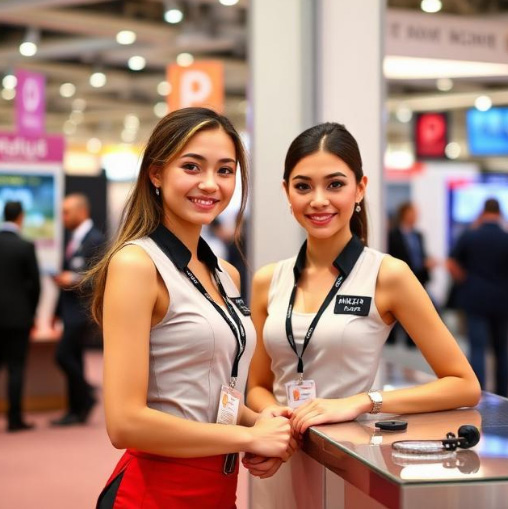
In the polished, high-ceilinged halls of Moscow’s Crocus Expo International Exhibition Center, the air is charged with a different kind of currency. It is not the roar of machinery or the rustle of fabric—it is the quiet, intense hum of multimillion-dollar negotiations. Architects unfurl blueprints, developers present scale models of shopping centers, and retail executives discuss expansion strategies across Russia’s 11 time zones.
This is the stage for Moscow’s premier commercial real estate and retail events—most notably NATMALLEXPO (formerly MAPIC Russia) , the Moscow International Property Show, and MIPIF Global. Here, over 110 exhibitors and 6,500+ industry professionals from more than 70 Russian regions and countries including China, Turkey, Kazakhstan, and Belarus converge.
Amidst the scale models of proposed shopping malls and the glossy renderings of mixed-use developments, one professional ensures that concrete opportunities do not turn into missed connections: the commercial real estate trade show assistant.
The “Asset” Behind the Assets
Unlike consumer-focused trade shows, commercial real estate (CRE) exhibitions are B2B battlegrounds where the visitors are not browsers but decision-makers. The attendees at NATMALLEXPO are developers, CEOs of retail chains, franchise operators, investment fund managers, and representatives from engineering, architecture, and property management firms.
A standard booth greeter—even a polished one—cannot navigate this environment. The stakes are too high. A single conversation could lead to the leasing of 10,000 square meters of retail space or the financing of a new entertainment complex. Therefore, the modern CRE booth assistant must function as a hybrid professional: part executive assistant, part market analyst, and part diplomatic liaison.
“The organizer provides full assistance from professionals of the exhibition industry,” notes the official NATMALL expo description. However, for international exhibitors, this internal support is rarely enough. The foreign exhibitor needs a dedicated asset on the ground—someone who knows the local market as intimately as they know the floorplan.
The Commercial Real Estate Skillset: From CAP Rates to Lease Terms
To understand the specific demands of a CRE booth assistant, one must look at the categories on the exhibition floor. According to industry breakdowns of events like NATMALLEXPO and MIPIF, the visitors fall into distinct segments:
- Developers & Owners: Shopping centers, business parks, mixed-use complexes, and logistics warehouses.
- Retail Tenants: Food and non-food chains, entertainment operators (cinemas, fitness), and franchise representatives looking to expand their geography.
- Service Providers: Architects, construction firms, marketing agencies, and security solution providers.
- Finance & Legal: Banks, investment funds, auditors, and legal advisors specializing in property law.
An assistant working this floor must understand the basic language of commercial real estate. They need to know the difference between a NNN lease and a gross lease, understand what CAP rate means (even if they don’t calculate it), and be able to distinguish a B-class business center from an A-class one.
Key Terminology for CRE Assistants
To be effective, a trade show assistant must have a working knowledge of the following terms, often switching between Russian and English:
- Asset Classes: Retail, Office, Industrial, Multifamily (Residential), Hospitality.
- Financial Metrics: Rent roll, Occupancy rate, Footfall, Parking ratio, GLA (Gross Leasable Area).
- Operational Terms: Property management, Lease terms, Tenant mix, Anchor tenant.
- Legal/Due Diligence: Zoning, Permits, BOMA standards, Cadastral registration.
The Three Pillars of the CRE Assistant
Based on the high-level nature of events like NATMALLEXPO, the role of the assistant rests on three critical pillars.
The Gatekeeper to the C-Suite
At NATMALLEXPO, the concentration of high-level professionals is intense. A single booth might host the CEO of a retail chain from Yekaterinburg, the head of acquisitions for a Turkish development fund, and the leasing director for a Moscow shopping mall simultaneously.
The assistant acts as the gatekeeper. They must quickly qualify visitors: Is this person a student looking for a brochure, or is this the Director of Expansion for a 50-store fashion brand? By asking strategic questions about territory needs (e.g., “Are you looking for Moscow or the regions?”) and square footage requirements, the assistant filters the traffic, ensuring that the executive or broker on the stand spends time only with serious prospects.
The Cultural and Linguistic Bridge
Russia remains a unique market with specific expectations regarding business etiquette. The phrase “Russia is open for new projects and new partners” is true, but the entry requires cultural fluency.
The assistant serves as a cultural bridge. They interpret not just the words, but the intent. They know that Russian negotiations are often relationship-driven; a quick handshake and a brochure handoff are insufficient. The assistant will invite the guest for coffee, introduce them to the team using the correct title and patronymic (formal name), and facilitate the small talk that is essential before the hard numbers are discussed.
Given that representatives from China, Turkey, and Belarus are increasingly active in the Russian market, multilingual assistants (Russian, English, Mandarin, Turkish) are highly prized. They ensure that a Chinese lighting supplier can accurately explain the energy efficiency of their LED system to a Russian mall developer.
The Logistics & Data Expert
Commercial real estate transactions involve massive amounts of documentation—teasers, prospectuses, lease agreements, and floor plans. The CRE assistant is the operational anchor. They manage the inventory of marketing materials, ensure the digital presentations are running, and collect lead data with precision.
Given that the market is hungry for diversification and new technologies, the assistant must capture specific intelligence from visitors. They use tablets or lead capture apps to note details: “Retailer: Coffee chain. Requirement: 150 sqm + terrace. Territory: St. Petersburg.” This data becomes the lifeblood of the post-show sales follow-up.
The Venue Factor: Conquering Crocus Expo and Tishinka
Moscow’s CRE exhibitions are hosted at two primary venues, each presenting distinct challenges.
Crocus Expo IEC (home of NATMALLEXPO) is a sprawling behemoth located about 20 km from the city center. Traffic on the MKAD ring road is unpredictable. A professional assistant arrives early—often before the 9:00 AM setup time—to ensure the stand is pristine. They must know the layout of Pavilion 1, Hall 3, intimately to direct attendees who get lost in the 180,000+ square meter complex.
T-Modul Exhibition Hall (Tishinka), home to the Moscow International Property Show, is located closer to the center but has its own logistical nuances. Assistants working here need to be adept at managing a high-volume flow of both trade and general public visitors, as these shows often cater to private investors looking for residential and overseas property.
The Investor Confidence Factor
At shows like MIPIF Global, the focus shifts slightly to investment strategies, legal niceties, and tax optimization. Here, the assistant must be more than a real estate expert; they must be a confidence-builder.
With over 150 expert sessions and topics covering residence permits and international education, the assistant helps foreign exhibitors navigate the sensitive concerns of Russian investors. They reassure visitors about the logistics of capital, explaining that “companies are able to pay you abroad through usual bank transfers in the currency of your preference”. They demystify the process, turning a complex international transaction into a manageable conversation.
Conclusion: The Lease on Success
In the marble-floored, glass-walled world of Moscow’s commercial real estate exhibitions, a scale model of a shopping mall is just plastic. A lease agreement is just paper. The difference between a dead booth and a deal-closing machine often comes down to the human being standing in front of the display.
The professional trade show assistant in the CRE sector is the strategic asset. They are the first filter, the cultural translator, the data collector, and the executive concierge. They ensure that a Russian developer with a new retail park finds the perfect Turkish anchor tenant, and that a Chinese investor confidently signs the dotted line for a Moscow business center.
For any international company looking to lease, sell, or invest in Russia’s dynamic commercial real estate market—home to over 150 million consumers and hungry for innovation—skimping on booth staff is a false economy. The assistant is not just standing in the booth. They are building the blueprint for your success.