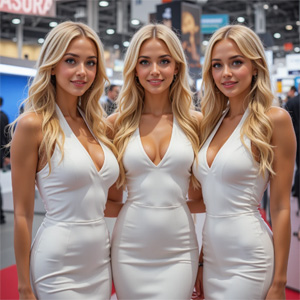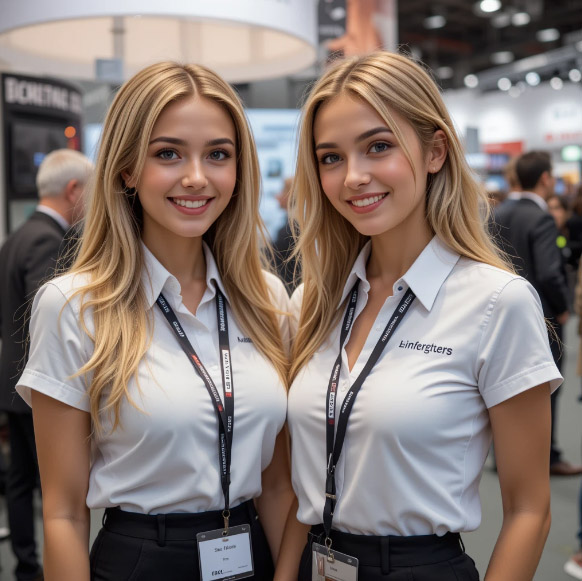
The Moscow Handicraft Products Fair, particularly the prominent Ladya International Fair of Folk and Arts Craft of Russia, represents a vibrant showcase of traditional craftsmanship and contemporary creative expression. Within this colorful and dynamic environment, trade show girls (more professionally termed brand ambassadors or exhibition hostesses) serve as indispensable assets for exhibitors, transcending outdated stereotypes to become knowledgeable representatives, multilingual communicators, and effective engagement specialists. This article explores their multifaceted roles, essential skills, and significant value at Moscow’s premier handicraft events, drawing on insights from industry practices and event profiles, while emphasizing their contribution to cultural exchange and business success in the creative sector.
1 The Moscow Handicraft Exhibition Landscape: A Celebration of Creativity
Moscow’s handicraft sector is celebrated through several key events that attract professional buyers, artisans, and enthusiasts from across Russia and internationally. The most notable is the Ladya International Fair of Folk and Arts Craft of Russia, typically held annually at Expocentr’ Krasnaya Presnya Fairgrounds. This event, along with others like the Moscow Hobby Expo (Crocus Expo) and various specialized craft exhibitions throughout the year, creates a dynamic marketplace where traditional techniques meet contemporary design and commercial opportunity.
These fairs showcase an extensive range of products, including:
- Traditional folk art and heritage crafts
- Handmade jewelry and accessories
- Textile arts including embroidery, weaving, and knitting
- Pottery and ceramics
- Woodworking and carving
- DIY kits and creative hobby supplies
- Artisanal foods and related crafts
The Moscow Hobby Expo specifically emphasizes the diversity of creative pursuits, featuring sections for model building, creative spaces, unique items, technologies like 3D printing, intellectual hobbies, and outdoor activities. This variety creates a unique environment where trade show professionals must be adaptable to both traditional craftsmanship and modern creative technologies.
2 Beyond Stereotypes: The Multifaceted Role of Handicraft Fair Representatives
In the context of handicraft exhibitions, the role of trade show representatives is complex and requires a diverse skill set that goes far beyond traditional perceptions.
2.1 Artistic Brand Representation
These professionals serve as the human embodiment of creative brands and artisan collectives. They must convey both artistic sensibility and product knowledge, representing the craftsmanship and story behind each piece. This requires a deep understanding of the creative process, materials used, and cultural significance of the items displayed, particularly for traditional crafts with heritage value.
2.2 Product Knowledge and Demonstration
Handicraft fairs often feature live demonstrations and interactive experiences. Representatives are frequently required to:
- Explain techniques and processes used in creating exhibited items
- Conduct simple craft demonstrations under artisan supervision
- Articulate the unique selling propositions of handmade versus mass-produced goods
- Guide visitors through creative experiences or mini-workshops
2.3 Sales and Business Facilitation
While handicraft fairs have a strong cultural component, they are also commercial platforms. Representatives play a crucial role in:
- Qualifying leads and identifying serious buyers from casual visitors
- Processing orders and recording contact information
- Facilitating negotiations between artisans and wholesale buyers
- Upselling and cross-selling complementary products
2.4 Cultural Interpretation
For international visitors and buyers, representatives often serve as cultural interpreters, explaining the heritage and significance of traditional Russian crafts. This requires knowledge of regional variations in style and technique, as well as the historical context of different craft traditions.
3 Essential Qualifications and Skills
The unique nature of handicraft exhibitions demands specific qualifications that distinguish these professionals from generic promotional models.
3.1 Industry Knowledge
Successful representatives possess substantial understanding of:
- Craft techniques and terminology across multiple disciplines
- Artistic materials and their properties
- Pricing considerations for handmade versus mass-produced items
- Current trends in creative hobbies and artisan products
3.2 Communication Competencies
Beyond linguistic capabilities (typically Russian and English, with other languages being an asset), effective representatives exhibit:
- Storytelling ability to convey the narrative behind artistic creations
- Patient explanation of complex techniques to novice crafters
- Diplomatic communication when discussing artistic merit and value
- Enthusiastic engagement that reflects genuine appreciation for craftsmanship
3.3 Professional Demeanor
The creative context requires:
- Appropriate appearance that often incorporates artisan elements or brand colors
- Artistic sensibility to discuss aesthetic qualities knowledgeably
- Physical stamina for long hours on the exhibition floor while maintaining enthusiasm
- Adaptability to work with diverse artisans and creative personalities
4 Strategic Value for Exhibitors
Companies and artisan collectives investing in professional representation at handicraft fairs experience multiple strategic benefits.
4.1 Enhanced Commercial Outcomes
Professional representatives directly contribute to improved sales by:
- Increasing conversion rates through knowledgeable product presentation
- Identifying high-value buyers (including international distributors)
- Facilitating higher average transaction values through effective upselling
- Reducing missed opportunities during peak visitation periods
4.2 Brand Development
In the competitive craft market, professional representation:
- Communicates quality and professionalism that justifies premium pricing
- Creates memorable experiences that build brand loyalty
- Differentiates exhibitors from amateur presentations
- Reinforces brand identity through consistent, knowledgeable representation
4.3 Market Intelligence
Through systematic visitor interactions, representatives gather valuable insights about:
- Emerging trends in consumer preferences
- Competitive pricing and product offerings
- International market opportunities
- Product feedback that can inform future creative directions
5 Agency Selection and Training Considerations
Selecting the right staffing partner requires careful evaluation of several factors specific to the creative industries.
5.1 Industry Experience
Exhibitors should prioritize agencies with demonstrable experience in creative events, as understanding the nuances of handicraft exhibitions significantly impacts representative effectiveness. Specialized training in craft terminology and artistic appreciation distinguishes superior performers from general promotional staff.
5.2 Selection Rigor
Reputable agencies employ comprehensive vetting processes that assess:
- Genuine interest in crafts and creative processes
- Learning agility to quickly absorb artistic information
- Communication style appropriate for artistic discussion
- Professional presentation that aligns with artisan values
5.3 Training Specificity
Effective preparation includes:
- Hands-on familiarization with products and techniques
- Meeting with artisans to understand creative processes
- Cultural briefing on the heritage of traditional crafts
- Role-playing common visitor scenarios and questions
6 Challenges and Special Considerations
Handicraft exhibitions present unique challenges that require specialized approaches.
6.1 Diversity of Offerings
Representatives must be prepared to engage with an extraordinary range of products, from traditional folk art to contemporary craft technologies. This requires broad knowledge and the ability to quickly adapt to different artistic disciplines.
6.2 Audience Diversity
Handicraft fairs attract everyone from serious collectors and commercial buyers to casual hobbyists and families seeking entertainment. Representatives must adjust their approach based on visitor type, providing depth for professionals while remaining accessible to novices.
6.3 Value Communication
A significant challenge involves articulating the value of handmade items that may carry higher price points than mass-produced alternatives. This requires skill in explaining craftsmanship quality, material value, and the cultural significance of traditional techniques.
7 Future Trends and Evolution
The role of trade show representatives in creative exhibitions continues to evolve in response to industry trends.
7.1 Technological Integration
Representatives increasingly work alongside digital demonstration tools and interactive technologies, serving as facilitators for blended physical-digital creative experiences. This requires developing proficiency with digital interfaces and social media integration.
7.2 Sustainability Emphasis
Growing consumer interest in sustainable production and ethical sourcing requires representatives to knowledgeable discuss:
- Environmental credentials of materials
- Ethical production practices
- Social impact of supporting traditional artisans
- Circular economy aspects of craft production
7.3 Experience Economy
As consumers increasingly value experiences over products, representatives are becoming facilitators of creative engagement rather than just product promoters. This includes guiding mini-workshops, maker sessions, and interactive demonstrations.
8 Conclusion: The Human Touch in Handmade Commerce
In an industry fundamentally centered on human creativity and artisan skill, the personal connection provided by professional trade show representatives remains invaluable. At Moscow’s handicraft exhibitions, these skilled professionals serve as essential bridges between creator and consumer, between tradition and innovation, between artistic passion and commercial reality.
They transform static displays of craftsmanship into dynamic engagements, create meaningful connections in crowded environments, and ultimately facilitate the cultural and commercial exchange that sustains traditional crafts while supporting contemporary makers. For exhibitors, investing in specialized representatives is not merely a practical decision but a strategic imperative that directly impacts sales, brand development, and market intelligence.
As Russia’s creative sector continues to evolve within the global marketplace for handmade goods, the professionals who represent its offerings at premier exhibitions will play an increasingly vital role in shaping the future of craftsmanship, ensuring that traditional skills are valued while contemporary innovations find their audience. The integration of product knowledge, cultural understanding, and professional engagement makes trade show representatives an indispensable component of successful participation in Moscow’s handicraft exhibitions, ensuring that human creativity remains at the heart of commerce in an increasingly automated world.