Introduction: The Evolving Clean Energy Landscape in Moscow
Moscow has emerged as a significant hub for clean energy innovation and collaboration within Eastern Europe, with numerous exhibitions and conferences showcasing the latest advancements in renewable technologies. As Russia’s capital continues to develop its sustainable energy infrastructure, professional exhibitions have become critical platforms for knowledge exchange, business development, and technological demonstration. Within this context, exhibition hostesses serve as indispensable ambassadors who bridge cultural and linguistic gaps while enhancing the overall experience for attendees and exhibitors alike.
The clean energy sector encompasses diverse technologies including solar, wind, hydroelectric, geothermal, and biomass solutions, each with its own technical complexities and presentation requirements. Hostesses at these specialized events must possess not only the traditional skills of hospitality and crowd management but also develop sufficient technical understanding to guide meaningful interactions between experts, investors, policymakers, and potential clients. Their role has evolved significantly from mere decorative presence to sophisticated brand representatives and technical facilitators.
Key Responsibilities of Exhibition Hostesses
Visitor Engagement and Navigation
Hostesses serve as the first point of contact for exhibition attendees, providing warm welcomes and essential orientation services. At large clean energy exhibitions like the upcoming RENWEX 2025 (Renewable Energy and Electric Vehicles Exhibition) at Moscow’s Expocentre Fairgrounds, hostesses help visitors navigate the extensive exhibition space, directing them to specific exhibitors, presentation stages, or demonstration areas based on their interests. This requires comprehensive preparation including detailed study of exhibition layouts, event schedules, and participant profiles.
The multilingual capabilities of hostesses prove particularly valuable at international clean energy events where participants come from diverse linguistic backgrounds. Fluent English represents a minimum requirement, with additional languages (particularly German, Chinese, and French) providing significant advantages when engaging with international delegates. This linguistic diversity enables hostesses to overcome communication barriers and facilitate productive exchanges between participants from different countries.
Technical Support and Demonstration Assistance
Unlike conventional exhibitions, clean energy events often feature complex technologies that require explanation and contextualization. Hostesses receive specialized training on key technologies being showcased, enabling them to provide basic information to attendees and identify appropriate technical specialists for more detailed inquiries. For demonstrations involving interactive elements or working models, hostesses ensure participant safety while maintaining smooth operational flow.
At exhibitions featuring large-scale equipment such as wind turbine components, solar panel arrays, or energy storage systems, hostesses coordinate viewing schedules, manage crowd flow, and ensure that demonstration areas remain accessible without compromising safety protocols. This logistical coordination requires both technical understanding and crowd management skills to balance educational value with operational efficiency.
Essential Qualifications and Skills
Professional Presentation and Communication Skills
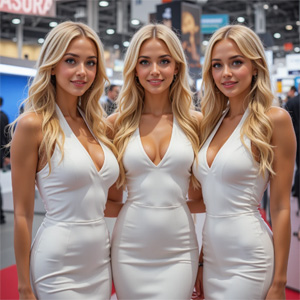
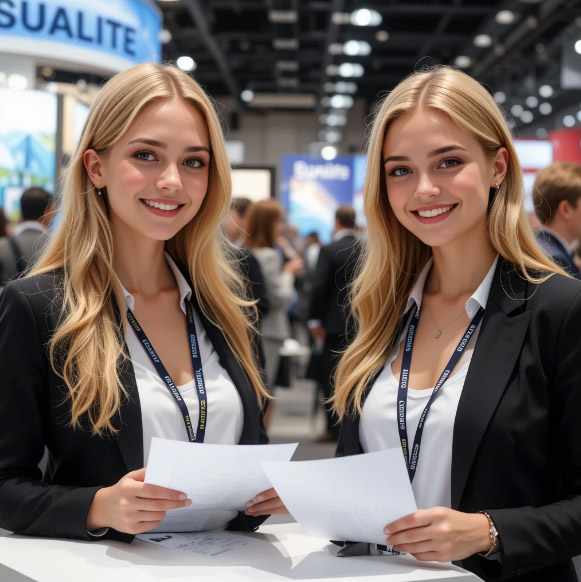
The visual presentation of hostesses contributes significantly to the professional image of exhibitions and exhibiting companies. Appropriate attire reflecting the clean energy theme (often incorporating eco-friendly materials and sustainable fashion principles) helps reinforce the environmental commitment of the event. Beyond physical appearance, hostesses must demonstrate exceptional communication abilities including clear articulation, active listening, and diplomatic problem-solving when addressing attendee concerns or conflicts.
The professional demeanor of hostesses establishes the tone for visitor experiences, with poise, confidence, and approachability being particularly valued attributes. These qualities enable hostesses to engage effectively with diverse participants ranging from technical experts and corporate executives to students and general public visitors, adapting their communication style appropriately for each audience segment.
Technical Aptitude and Industry Knowledge
While not expected to possess engineering expertise, successful clean energy hostesses develop functional understanding of key technologies and industry trends through comprehensive pre-event training. This preparation typically includes technical briefings on exhibited technologies, market overviews, and competitor analysis to enable informed conversations with attendees. Hostesses learn to identify different stakeholder groups based on their questions and interests, directing them to appropriate resources or personnel.
This technical familiarity enables hostesses to perform preliminary qualification of visitor interests, distinguishing between general inquiries and potential business opportunities. By capturing essential information about attendee backgrounds and objectives, hostesses help exhibiting companies prioritize follow-up activities and maximize their return on investment from participation in Moscow’s clean energy exhibitions.
Specialized Training for Clean Energy Context
Technology Briefings and Sector Overview
Preparation for clean energy exhibitions involves structured learning programs that familiarize hostesses with the technical fundamentals and market context of displayed technologies. Training typically includes overviews of solar photovoltaic systems, wind energy conversion, energy storage solutions, smart grid technologies, and electric vehicle infrastructure. This technical orientation enables hostesses to understand basic principles and terminology, allowing them to engage in meaningful preliminary discussions with technically-oriented visitors.
The training process also covers market dynamics specific to Russia’s clean energy sector, including government initiatives, regulatory frameworks, and major projects underway nationwide. This contextual knowledge helps hostesses appreciate the business implications of exhibited technologies and better understand participant perspectives, particularly those of domestic attendees familiar with the Russian energy landscape.
Sustainability Practices and Cultural Sensitivity
As representatives of the clean energy sector, hostesses receive guidance on sustainable event practices and environmental stewardship principles that align with exhibition themes. This includes understanding waste reduction strategies, energy conservation measures implemented at the event, and carbon offset programs that may accompany the exhibition. This knowledge enables hostesses to authentically represent the values of the clean energy community.
Given Moscow’s position as an international meeting place, hostesses develop cultural competence regarding business customs, communication norms, and etiquette expectations of participants from various countries. This cultural sensitivity proves particularly important when hosting delegations from Asia, Europe, and the Americas, each with distinct approaches to business interactions and relationship building.
Logistics and Operational Coordination
Pre-Event Preparation and Planning
The effective deployment of hostesses requires meticulous advance planning coordinated with exhibition organizers, venue management, and participating companies. This includes developing detailed schedules, positioning plans, and contingency arrangements for various attendance scenarios. Hostesses often participate in walkthroughs and rehearsals before exhibition opening to familiarize themselves with physical layouts, emergency procedures, and key contact personnel.
For large-scale clean energy exhibitions, hostesses may be assigned to specific zones based on technology types or thematic areas, allowing them to develop specialized knowledge relevant to their assigned section. This zoning approach enhances the quality of visitor assistance while ensuring comprehensive coverage across the entire exhibition space.
On-Site Management and Support Systems
During exhibitions, hostesses operate within a support structure that includes supervisors, rest areas, and communication systems to maintain performance standards throughout often demanding schedules. Rotation systems prevent fatigue while ensuring consistent coverage during peak visitation periods. Designated break areas provide opportunities for hostesses to recharge while remaining available for unexpected staffing needs.
Communication technologies such as wireless headsets or mobile applications enable coordination between hostesses and with exhibition management, allowing rapid response to changing conditions or special requirements. This communication infrastructure helps maintain consistent service quality while addressing emergent challenges throughout the exhibition period.
Measuring Effectiveness and Return on Investment
Performance Metrics and Evaluation Criteria
The contribution of hostesses to exhibition success is measured through both quantitative and qualitative assessment methods. Quantitative metrics include visitor interaction counts, lead generation numbers, and satisfaction survey results. These numerical indicators help demonstrate the tangible value provided by hostess services and inform staffing decisions for future events.
Qualitative assessment incorporates observational feedback from exhibition managers, exhibitor comments, and anecdotal evidence of positive participant experiences. This qualitative dimension captures aspects of hostess performance that resist easy quantification, such as problem-solving creativity, diplomatic skill in handling difficult situations, and contribution to overall exhibition atmosphere.
Strategic Value Beyond Immediate Metrics
Beyond measurable outputs, hostesses provide strategic benefits that extend throughout the exhibition lifecycle. Their presence enhances brand perception for exhibiting companies, differentiates premium events from standard conferences, and creates memorable experiences that encourage repeat participation. The multilingual capabilities of hostesses facilitate international business matching that might otherwise be hindered by language barriers.
The informal intelligence gathered by hostesses through participant interactions can provide valuable insights regarding market trends, competitor activities, and emerging participant needs. This observational data, when systematically collected and analyzed, represents an additional information source for exhibition organizers and participating companies seeking to understand industry dynamics.
Future Evolution of Hostess Services
Technological Integration and Digital Extensions
The role of exhibition hostesses continues to evolve with technological advancements that enhance their capabilities and extend their impact. Digital tools including tablet-based registration systems, multilingual translation applications, and interactive information platforms augment traditional hostess functions while improving efficiency and accuracy. These technologies allow hostesses to access real-time information and provide more personalized service to attendees.
The growth of hybrid exhibition formats combining physical and virtual participation creates new opportunities for hostesses to engage with remote audiences through digital platforms. This expanded role may involve facilitating online interactions, managing virtual question-and-answer sessions, or guiding digital participants through exhibition content. These digital extensions require hostesses to develop additional technical skills while maintaining the personal touch that defines quality hospitality.
Specialization and Professional Development
As the clean energy sector matures, hostess services are increasingly characterized by specialized knowledge and professional certification. Rather than general hospitality staff, exhibitions increasingly seek hostesses with specific understanding of renewable technologies, sustainability principles, and energy policy contexts. This specialization enables more sophisticated participant engagement and enhances the technical credibility of hostess interactions.
The professionalization of exhibition hostesses is reflected in developed career paths, specialized training programs, and industry recognition of excellence. This evolution elevates hostess services from temporary event staffing to recognized professional specialization within the broader clean energy ecosystem, with corresponding implications for compensation, training investment, and career development opportunities.
Conclusion: Integral Contributors to Clean Energy Advancement
Exhibition hostesses in Moscow’s clean energy sector have evolved far beyond traditional decorative roles to become essential facilitators of knowledge exchange, business development, and international collaboration. Their multilingual capabilities, technical familiarity, and professional hospitality skills significantly enhance the participant experience at clean energy exhibitions while supporting the strategic objectives of exhibiting organizations.
As Moscow continues to develop as a clean energy hub, the specialized capabilities of professional hostesses will become increasingly valuable in navigating the complex technical, business, and cultural dimensions of international exhibitions. By investing in high-quality hostess services, exhibition organizers and participating companies not only improve immediate event outcomes but also contribute to the broader advancement of clean energy solutions through enhanced collaboration and knowledge sharing.