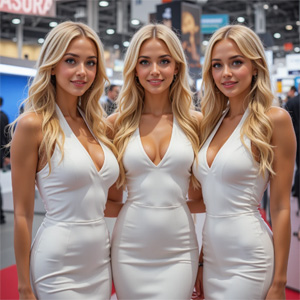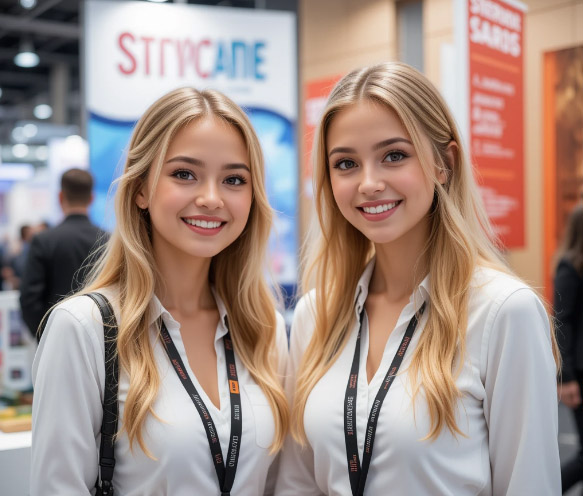
In the high-stakes, intensely competitive environment of a major packaging machinery trade show in Moscow—such as Upakovka or RosUpack—where the hum of machinery and the clatter of samples fill the air, capturing and holding attendee attention is a formidable challenge. Amidst the gleaming stainless steel of form-fill-seal machines, pallet wrappers, and labeling systems, a powerful but often underestimated strategic asset comes into play: the professional promotional model.
Far removed from outdated stereotypes, today’s promotional models in the B2B industrial sector are dynamic brand specialists, crucial for translating complex engineering feats into engaging customer experiences. For manufacturers of packaging equipment, investing in these professionals is not a frivolous expense; it is a calculated strategy to maximize visibility, qualify leads, and humanize high-tech industrial offerings.
The Critical Role of Promotional Models in Industrial Marketing
At a packaging trade show, the role of a promotional model is multifaceted and directly tied to lead generation and brand perception:
- Traffic Generation and Booth Magnetism: In a vast hall crowded with similar-looking machinery, a professional model serves as a visual cue and a welcoming presence that draws attendees into the booth. Their role is to break the ice, initiate conversation, and create an approachable atmosphere around potentially intimidating, large-scale equipment.
- Qualified Lead Capture and Triage: The primary metric for success is qualified leads. A skilled model is trained to engage visitors, ask qualifying questions, and identify true sales prospects—be it a production manager from a major food brand, a plant engineer, or a distributor—from mere curious onlookers. They ensure the technical sales team’s time is spent exclusively with high-value potential clients.
- Product Demonstration and Feature Highlighting: While not engineers, these models are thoroughly briefed on the key USPs of the equipment they represent. They can guide a visitor through a demonstration, point out innovative features (e.g., “This touchscreen interface simplifies changeovers significantly”), and hand out samples produced by the machine on the spot, creating a tangible and memorable interaction.
- Brand Embodiment and Professional Representation: The model’s demeanor, appearance, and attire are meticulously aligned with the brand’s identity. For a German precision engineering firm, this means polished professionalism; for an innovative tech startup, it might mean a more modern and energetic vibe. They are the human face of the corporate brand, building trust and credibility.
- Linguistic and Cultural Bridge for International Exhibitors: For foreign companies, this is perhaps the most critical function. A model who is a native Russian speaker, fluent in English, understands the nuances of local business etiquette. They can overcome language barriers, build immediate rapport with Moscow’s industrial buyers, and ensure that key messages about machine speed, efficiency, and ROI are clearly understood and culturally resonant.
Key Attributes of Effective Models for the Packaging Sector
The ideal candidate for this niche is a blend of personability and industrial aptitude:
- Professional Intelligence: The ability to quickly grasp and communicate basic technical concepts (e.g., “packages per minute,” “changeover time,” “hygienic design”).
- Exceptional Interpersonal Skills: The confidence to engage senior-level industry professionals and the emotional intelligence to read a visitor’s interest level.
- Impeccable Presentation: A polished appearance that reflects the quality and standards of the brand they represent.
- Resilience and Energy: The stamina to maintain enthusiasm and engagement throughout long, demanding exhibition days.
Why This Investment Pays Off in Moscow
The packaging industry in Russia and the CIS is robust and growing. Competing here requires a localized approach. Professional promotional models, especially those sourced locally, provide invaluable market-specific advantages. They understand the regional players, the competitive landscape, and the unspoken rules of engagement, making them indispensable partners for any international company seeking to gain a foothold or expand its presence.
Conclusion: Beyond Aesthetics to ROI
In the end, the goal of exhibiting at a Moscow packaging trade show is to generate sales leads and strengthen market position. A professional promotional model is a force multiplier in achieving this goal. They transform a static equipment display into a dynamic, engaging destination, ensuring that a company’s significant investment in exhibiting translates into a tangible return through a robust pipeline of qualified, high-value leads. They are not just part of the display; they are a critical component of the sales and marketing engine.