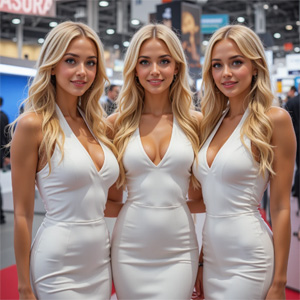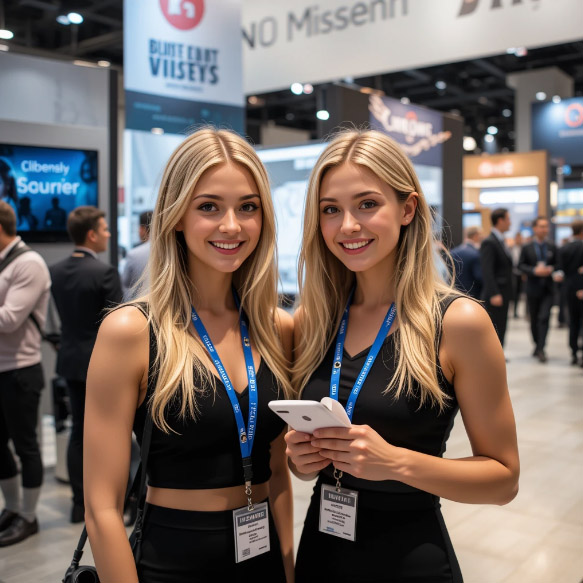
The Moscow Coffee, Tea & Chocolate exhibition is a sensory journey. The air is rich with the aroma of roasting beans, the delicate scent of fine teas, and the indulgent sweetness of cocoa. It’s a premier event where connoisseurs, boutique café owners, major distributors, and passionate consumers gather to discover the world’s finest products. In this environment of premium experiences and discerning palates, the professionals known as Brand Ambassadors are not a luxury; they are a critical ingredient in the recipe for exhibition success.
Moving far beyond outdated stereotypes, the modern Brand Ambassador at such a specialized event is a multifaceted professional. They are the human embodiment of a brand’s story, the facilitator of sensory experiences, and a key driver of commercial engagement.
From “Trade Show Girls” to Taste Ambassadors: An Evolution in Role
The term “Trade Show Girl” is a relic that fails to capture the expertise and skill required for this role in the gourmet food and beverage sector. Today, successful companies invest in Brand Ambassadors, Product Specialists, or Tasting Hosts. These individuals are chosen for their professionalism, communication skills, cultural intelligence, and, most importantly, their ability to be trained on the nuances of premium products.
At the Moscow Coffee, Tea & Chocolate exhibition, where a brand’s story is as important as its flavor profile, the ambassador is the narrator.
The Multifaceted Role of a Brand Ambassador in a Gourmet Setting
1. Sensory Experience Guides:
Their primary role is to guide attendees through a tasting journey. This requires specific training:
- For coffee, they might explain the notes of a single-origin Ethiopian pour-over versus a Brazilian espresso blend.
- For tea, they can articulate the difference between a first-flush Darjeeling and a smoked Lapsang Souchong.
- For chocolate, they guide tasters through evaluating aroma, snap, and melt, pointing out notes of red fruit, nuts, or spice.
They transform a simple sample into an educational moment, adding immense value to the interaction.
2. Storytellers and Brand Evangelists:
Gourmet products are built on stories of origin, craftsmanship, and sustainability.
- Ambassadors are trained to eloquently share these narratives: “This shade-grown coffee helps preserve the rainforest canopy in Peru.” or “This bean-to-bar chocolate supports direct trade with farmers in Venezuela.”
- They connect the product in the attendee’s hand to the larger mission of the brand, building an emotional connection that transcends price.
3. Lead Qualification and Engagement:
In the bustling aisles of the exhibition, identifying serious business partners is key.
- Ambassadors are skilled at asking qualifying questions: “Do you own a chain of coffee shops?” “Are you a distributor looking for new tea brands to introduce to the Russian market?” “Are you a pastry chef sourcing premium chocolate?”
- They use digital tools to capture lead data and immediately tag the lead’s interest and potential, providing the sales team with a qualified pipeline and invaluable market intelligence.
4. Cultural and Linguistic Bridges:
The Moscow exhibition attracts a global audience. A skilled ambassador is often fluent in Russian and English, and sometimes other European languages.
- This allows for seamless communication with local retailers, international buyers, and press.
- They understand the specific preferences of the Russian and CIS market, helping to tailor the conversation and presentation style effectively.
5. The Embodiment of Brand Aesthetics:
In a sector where artisanal quality and elegance are paramount, the ambassador’s appearance and demeanor are a direct extension of the brand.
- Whether the brand identity is sleek and modern (like a specialty coffee roaster) or warm and rustic (like a craft chocolate maker), the ambassador’s attire and professionalism will be aligned, creating a cohesive and trustworthy brand image.
Best Practices for Exhibitors at the Moscow Coffee, Tea & Chocolate Expo
To leverage this powerful asset effectively, brands should consider:
- Invest in Deep Training: Go beyond basic scripts. Arrange for your ambassadors to be trained by your master roaster, tea sommelier, or chocolatier. Let them experience the product firsthand so their passion is genuine.
- Create an Immersive Booth Experience: Design your stand to facilitate tasting and conversation. Arm your ambassadors with all the tools they need—from proper brewing equipment to well-presented samples—to create a memorable experience.
- Prioritize Professionalism and Etiquette: Choose staff who are poised, engaging, and able to represent a premium brand. Their knowledge and courtesy will reflect directly on your product’s quality.
- Focus on Engagement, Not Just Distribution: The goal is to create a meaningful connection, not just to hand out the most samples. Encourage ambassadors to engage in conversation, answer questions, and tell the story behind each product.
Conclusion: The Secret Ingredient for Success
In the sophisticated and competitive landscape of the Moscow Coffee, Tea & Chocolate exhibition, a well-trained Brand Ambassador is the secret ingredient that elevates a brand from being just another exhibitor to becoming a memorable experience. They are the crucial link between the product and the palate, the story and the customer, the lead and the sale.
By investing in knowledgeable, passionate, and professional individuals who can truly embody a brand’s values, companies ensure they don’t just participate in the exhibition—they make a lasting impression that brews success long after the last cup is poured.