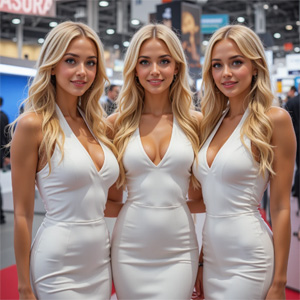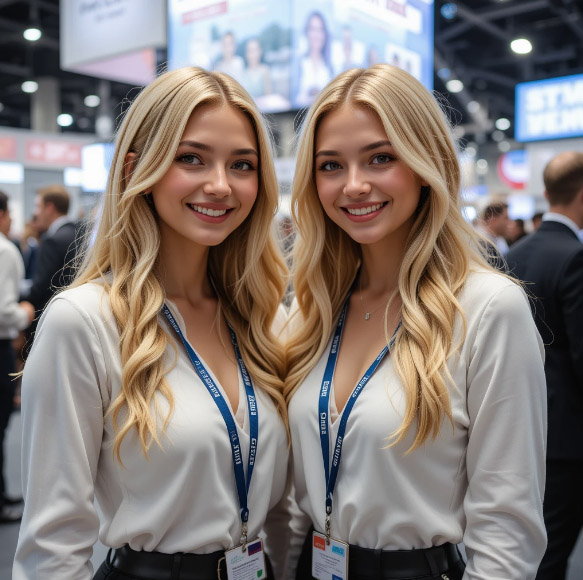
The atmosphere at a major veterinary trade fair in Moscow—such as ZooBusiness or VETEXPO—is one of passionate dedication. The halls are filled with veterinarians, clinic owners, farm managers, and animal nutritionists evaluating the latest in surgical equipment, pharmaceuticals, diagnostic tools, and pet food. In this environment, where expertise and compassion intersect, your company’s presence must reflect both deep knowledge and genuine care. Professional exhibition staff are the critical link, transforming your booth from a static display into a dynamic hub of trust and information.
Far beyond simple greeters, exhibition staff at a veterinary fair act as informed facilitators, empathy-driven ambassadors, and the human face of your brand’s commitment to animal health.
The Multifaceted Role of Veterinary Exhibition Staff
Their function is essential for engaging a specialized audience that values both scientific accuracy and authentic connection.
1. The Informed First Point of Contact
Your booth is your clinic’s front desk. The exhibition staff member serves as the welcoming, knowledgeable first contact for a busy veterinarian or a concerned shelter manager. They greet attendees with a professional yet approachable demeanor, quickly qualifying their interests (e.g., small animal practice, large animal agriculture, or pet retail) and directing them to the appropriate technical expert or product demonstration. This ensures that a large-animal vet doesn’t waste time at a booth section dedicated to feline nutrition, optimizing everyone’s time.
2. The Empathetic Product Facilitator
Veterinary professionals are driven by a desire to help animals. Exhibition staff can be briefed to understand the core benefits of your products—how a new anesthetic improves safety, how a specific feed supports joint health, or how a diagnostic device delivers faster, more accurate results. They can guide visitors through a demonstration, hand out samples of nutritional products, and explain the tangible patient benefits in a way that resonates emotionally and professionally with their audience.
3. The Bridge Between Practice and Product
These staff members are adept at speaking the language of the industry. They can ask insightful questions to qualify leads effectively: “What is the largest caseload in your clinic?” or “Are you looking to expand your diagnostic capabilities?” This ability to engage in meaningful dialogue demonstrates respect for the visitor’s expertise and ensures that your technical sales representatives are connected with genuinely interested and qualified leads.
4. The Multilingual Liaison for a Global Field
Animal health is a global concern. Moscow’s veterinary fairs attract international attendees from across Europe, the CIS, and beyond. Staff fluent in Russian and English are essential; knowledge of additional languages like German, Spanish, or French is a significant advantage. They ensure clear communication from the outset, making international visitors—whether a distributor from Poland or a veterinarian from Kazakhstan—feel welcomed and understood.
5. The Embodiment of Trust and Care
The appearance and demeanor of your staff must reflect the values of the veterinary profession: cleanliness, competence, and compassion. Attire is typically smart, professional, and often includes branded clinical wear like polo shirts or lab coats. This projects an image of cleanliness and expertise, immediately building trust with an audience whose primary concern is the well-being of animals.
Selecting the Right Team for Success
To secure staff who can effectively represent your brand in this unique field, consider these steps:
- Partner with a Specialized Agency: Choose agencies in Moscow with experience in B2B and healthcare events. Their talent pool is more likely to include individuals who are comfortable with technical information and a professional medical environment.
- Prioritize Soft Skills and Aptitude: Look for candidates who are not only intelligent and articulate but also demonstrate genuine empathy, patience, and a comfort around discussions of animal care. A background in biology, agriculture, or even pet retail can be a major benefit.
- Provide Deep Product and Industry Briefing: This is crucial. Equip your staff with knowledge about your products’ key benefits, common industry challenges, and correct terminology. The more confident they are in the material, the more effectively they can engage attendees.
- Define Clear Protocols: Establish clear guidelines for lead qualification, data capture, and handoffs to senior sales or technical staff. Ensure they know who to summon for specific types of in-depth questions.
In Conclusion:
At a Moscow veterinary trade fair, you are not just selling a product; you are offering a solution that contributes to the health and well-being of animals. Professional exhibition staff are the essential human element that communicates this commitment. They build trust, facilitate meaningful conversations, and ensure that the veterinarians and clinic owners who visit your leave with a positive, memorable impression of a brand that understands and supports their crucial work. In an industry built on care, investing in the right people to represent you is the most important investment you can make.