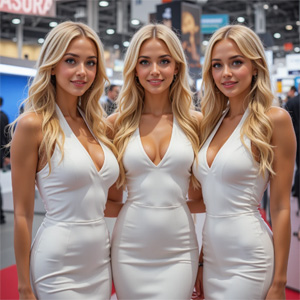
The vast, bustling halls of a major textiles trade fair in Moscow, such as Inlegmash or Techtextil Russia, are a sensory overload in the best way. Rolls of sumptuous silks, innovative technical fabrics, intricate laces, and vibrant prints create a tapestry of color and texture. Amidst this landscape of material, the most crucial element isn’t a fabric, but human: the Exhibition Staff. They are the skilled interpreters, the diligent organizers, and the welcoming face that transforms a overwhelming display of products into a coherent and successful business experience.
More Than a Greeting: The Multifaceted Roles of Textile Staff
In the specialized world of textiles, the role of exhibition staff evolves far beyond basic hospitality. They are selected and trained to be experts in communication, logistics, and product knowledge, acting as the vital thread that connects the manufacturer to the designer, buyer, or technologist.
Their responsibilities are as layered as the fabrics they represent:
1. The Product Interpreter and Storyteller:
A technical datasheet can list a fabric’s thread count and composition, but it can’t convey its handfeel—its drape, weight, and texture. The staff are trained to facilitate this sensory experience. They actively encourage visitors to touch the fabrics, explaining how a specific wool blend provides warmth without weight or how a new recycled polyester performs during wear. They tell the story behind the product: its origin, its manufacturing process, and its potential application in a collection.
2. The Specialist and Knowledge Hub:
The textiles industry is deeply technical. Staff are rigorously briefed to handle sophisticated inquiries. They can knowledgeably discuss:
- Composition and Weave: Differentiating between a jacquard and a dobby, or explaining the benefits of mercerized cotton.
- Technical Specifications: Addressing questions about flame resistance, UV protection, moisture-wicking properties, or tensile strength for industrial fabrics.
- Sustainability: Articulating a company’s eco-friendly practices, such as GOTS certification, waterless dyeing processes, or recycled content.
3. The Logistician and Sample Manager:
A key function of any textiles fair is the management of sample requests. Staff efficiently handle these requests, logging contact details, noting the specific sample required (including colorway and reference number), and ensuring timely fulfillment post-show. They are the organized system that prevents chaos, keeping track of leads and ensuring no valuable contact is lost in the crowd.
4. The Cultural and Linguistic Bridge:
Moscow’s fairs attract a global audience—Italian fashion houses, Turkish garment manufacturers, German technical engineers, and Chinese fabric mills. Multilingual staff (particularly in English, German, Turkish, and Italian) are invaluable. They ensure that nuanced questions about quality, delivery timelines, and minimum order quantities are understood perfectly, preventing costly misunderstandings and building international trust.
The Moscow Context: Precision Meets Passion
The Russian textiles market is a blend of traditional craftsmanship, burgeoning fashion design, and growing demand for technical materials. This unique environment demands specific qualities from exhibition staff:
- Precision and Attention to Detail: An ability to manage vast product ranges and precise client requirements is non-negotiable. A mistake in a sample order or a miscommunication about a fabric’s properties can have significant commercial consequences.
- Tactile Communication: Staff must be comfortable with and encourage the physical interaction that is essential to evaluating textiles. They create an environment where touching the product is not just allowed, but encouraged.
- Professional Aesthetic: In an industry driven by aesthetics, the staff’s appearance is part of the brand presentation. Their attire is often professional yet stylish, reflecting the quality and creativity of the company they represent.
A Strategic Investment in Business Development
For a mill or fabric distributor, the cost of exhibiting—from space rental to shipping heavy sample books—is substantial. Professional exhibition staff are the critical factor in maximizing this investment.
They are the human element that engages, educates, and assures potential clients. They don’t just show a fabric; they sell its potential in a future garment, collection, or industrial application. By providing expert, efficient, and engaging service, they build the confidence and trust that are the true foundation of any textile business deal, ensuring the company’s presence at the fair is not just seen, but felt, and ultimately, profitable.