1 Introduction: The Human Face of a Sophisticated Industry
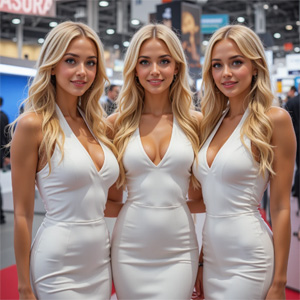
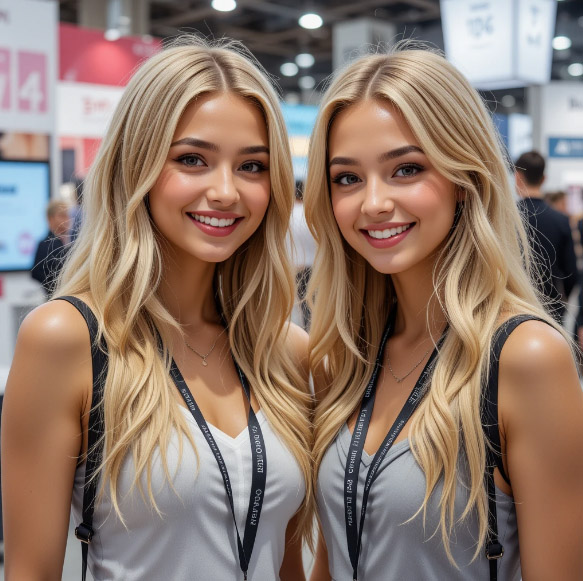
The world of viticulture and enology is a captivating blend of ancient tradition and cutting-edge science, where the romance of the vineyard meets the precision of the modern cellar. In Russia, a country with a rapidly evolving and increasingly sophisticated wine market, exhibitions dedicated to this industry serve as critical hubs for business, education, and innovation. Within the bustling aisles of these events, trade show models emerge as indispensable assets, far exceeding the outdated stereotype of mere “booth beauties.” They are the professional facilitators, brand ambassadors, and cultural connectors who bridge the gap between complex products and a diverse, international audience. This article explores the multifaceted role, required skills, and strategic importance of trade show models specifically within the context of Moscow’s vibrant Viticulture & Enology exhibition scene.
2 The Moscow Viticulture & Enology Exhibition Landscape
While the provided search results do not list a single dedicated “Moscow Viticulture & Enology Exhibition” for the immediate future, they highlight the city’s active role in hosting significant food, beverage, and agricultural trade events where viticulture is often a featured component. Furthermore, events like the ArmWine exhibition, dedicated specifically to Armenian winemaking, have successfully been held in Moscow, attracting “wine experts, HoReCa representatives, founders and leaders of 28 Armenian winemaking companies, and winemakers” along with over 600 guests. This demonstrates a clear market appetite and professional audience for wine-focused events.
Major general food and drink exhibitions in Moscow, such as World Food Moscow, invariably include substantial sections for wines and spirits, attracting international exhibitors and visitors. These events provide a platform for producers, distributors, sommeliers, and hospitality professionals to connect, making them fertile ground for the specialized skills of professional trade show models.
3 Beyond the Smile: The Multifaceted Role of Trade Show Models
In the context of a viticulture exhibition, the role of a trade show model is complex and requires a diverse skill set. They are the human interface of a brand, tasked with creating meaningful engagements in a crowded and competitive environment.
3.1 Brand Ambassadorship and Professional Representation
A model’s primary duty is to personify the brand’s values. Whether the exhibitor is a boutique vineyard from Armenia, a large-scale producer from Italy, or a manufacturer of precision enological equipment, the model must embody its essence—be it luxury, innovation, authenticity, or sustainability. Their professional appearance and demeanor are paramount, setting the tone for all visitor interactions and creating a positive first impression that can make or a deal.
3.2 Lead Generation and Qualification
This is a critical business function. Models are often the first point of contact. They are trained to engage visitors, initiate conversations, and quickly assess a visitor’s potential. Using open-ended questions, they can determine if someone is a serious buyer, a distributor, a sommelier, or a curious enthusiast. This qualifying process ensures that the company’s sales directors and technical experts spend their valuable time with high-value prospects, significantly improving return on investment (ROI) for exhibiting companies.
3.3 Product Knowledge and Presentation
In this technical industry, models must be equipped with more than just a smile. They require foundational knowledge of the products they represent. This includes:
- For Wineries: Understanding key characteristics of the wines being poured (e.g., grape varietals, region, aging process, tasting notes).
- For Equipment Manufacturers: Knowing the basic function and benefits of complex machinery (e.g., fermenters, bottling lines, vineyard sensors).
This allows them to answer basic questions, handle common objections, and smoothly introduce qualified leads to technical staff for deeper discussion.
3.4 Hospitality and VIP Management
Exhibitions often feature VIP areas for key clients and partners. Models excel in hosting these exclusive zones, ensuring top-tier guests feel valued. This involves managing tastings, facilitating introductions, and providing a superior level of service that strengthens existing business relationships and fosters new ones.
3.5 Crowd Management and Promotion
A model’s presence can naturally draw attention to a booth. They may be involved in conducting scheduled product demonstrations or tastings, using their presentation skills to gather a crowd and generate buzz. This ability to create a focal point is invaluable for standing out among hundreds of competitors.
4 Key Qualities of an Effective Viticulture Exhibition Model
Not every model is suited for the specific demands of a technical trade show like viticulture. The ideal candidate possesses a unique blend of attributes.
- Industry Awareness: While not expected to be master sommeliers, a genuine interest in and basic understanding of wine culture is a significant advantage. This passion is contagious and lends authenticity to interactions.
- Exceptional Communication Skills: The ability to articulate clearly and listen actively is non-negotiable. They must be confident initiators of conversation and empathetic listeners to understand client needs.
- Cultural and Linguistic Sensitivity: Moscow’s exhibitions attract a global audience. Proficiency in English is almost essential, and knowledge of other languages (e.g., French, Italian, German) is a major asset. Understanding cultural nuances in business etiquette is equally important.
- Professionalism and Resilience: Trade show days are long and physically demanding. Models must maintain energy, poise, and a positive attitude throughout the event, regardless of circumstances.
- Adaptability: Each exhibitor has different goals. A great model can quickly adapt their approach, whether they are promoting a luxury wine brand requiring discreet sophistication or a new tech startup needing dynamic and energetic engagement.
5 Strategic Advantages of Hiring Professional Models
Companies investing in professional trade show staffing services, such as those offered by agencies with over 15 years of experience, reap significant benefits.
- Increased Booth Traffic: A professional and engaging model is a powerful draw for attendees, increasing footfall and opportunities for engagement.
- Higher Quality Lead Capture: Agencies provide trained staff who understand how to qualify leads effectively and use lead retrieval systems properly, ensuring no potential client is missed.
- Enhanced Brand Image: A polished, knowledgeable, and professional team at your booth elevates the perceived value of your brand and products.
- Maximized Staff Efficiency: By handling initial greetings and qualification, models free up your specialized technical and sales staff to do what they do best: close deals and discuss complex details.
- Risk Mitigation: Reputable agencies offer guarantees, such as a “No Show Guarantee” and free cancellations up to 30 days before an event, providing exhibitors with peace of mind and financial protection.
Table: Pre-Event Preparation Checklist for Exhibitors Hiring Models
| Preparation Phase | Key Actions for Exhibitors | Purpose |
|---|---|---|
| Defining Goals | Determine primary objective (e.g., lead generation, brand awareness, VIP relations). | Ensures model activities are aligned with strategy. |
| Agency Briefing | Provide detailed brand guidelines, product information, and target audience profile. | Equips the model with necessary knowledge to represent the brand accurately. |
| Model Selection | Review model profiles for relevant experience and language skills. | Secures the best-fit talent for the specific exhibition and audience. |
| Training & Onboarding | Conduct pre-event training sessions on products and key messaging. | Builds model confidence and ensures consistent brand communication. |
| Logistics Coordination | Provide clear schedule, booth location, and point of contact for the event. | Ensures a smooth and professional start on the first day. |
6 Building a Career: The Model’s Perspective
For the individuals themselves, working at such specialized events is more than a job; it’s a unique career opportunity. It offers:
- Networking: Direct access to industry leaders and potential employers in the wine and hospitality sectors.
- Education: Exposure to the latest trends, technologies, and products in the global wine industry.
- Skill Development: Enhancement of skills in sales, communication, and public speaking within a high-stakes B2B environment.
- Professional Advancement: A pathway to roles in brand ambassadorship, sales, marketing, or event management within the lucrative food and beverage industry.
7 Conclusion: An Indispensable Investment for Exhibition Success
In the complex and sensory-driven world of viticulture and enology, the value of human connection cannot be overstated. As the search results indicate, events like ArmWine and World Food Moscow create platforms where business gets done and the future of the industry is shaped. Professional trade show models are the catalysts of this process. They transform a static booth into a dynamic engagement hub, ensuring that a brand’s story is not just seen but understood and remembered.
For any company—whether a venerable winery or an innovative tech startup—looking to make a impactful impression at a Moscow-based viticulture exhibition, investing in trained, knowledgeable, and professional models is not an extravagance. It is a strategic necessity to maximize visibility, generate qualified leads, and ultimately, achieve a superior return on investment. They are the essential human element that turns exhibition participation into a resounding success.