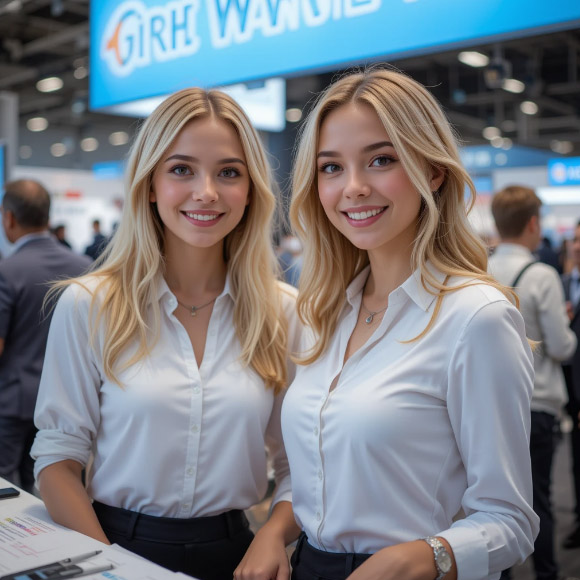
The Moscow International Book Fair (MIBF) and related literary events represent crucial platforms for global publishing industry engagement, attracting hundreds of exhibitors and thousands of visitors from around the world. Within this dynamic environment, professional show hostesses serve as indispensable assets, transcending traditional decorative roles to become knowledgeable brand ambassadors, multilingual communicators, and cultural mediators. This article explores the multifaceted responsibilities, essential skills, and strategic value that hostesses bring to Moscow’s book exhibitions, drawing on insights from industry practices and event profiles.
1 The Moscow Book Exhibition Landscape: A Global Literary Hub
Moscow has established itself as a prominent destination for international publishing events, with two major events standing out:
- Moscow International Book Fair: Held at VDNH’s Pavilion 57, this event attracts hundreds of exhibitors from numerous countries, with India serving as the 2025 guest of honor. The fair features over 50 events focused on technology, artificial intelligence, yoga, Ayurveda, poetry, dance, and translation, with more than 70 speakers from India and Russia participating.
- Moscow International Publishing Week: This event brings together approximately 50 publishers from Russia, Serbia, Turkey, Argentina, China, India, and 12 other countries for business negotiations, discussions on book export prospects, and reader preference analysis.
These exhibitions create a vibrant international environment where publishers, authors, translators, and literary professionals converge to showcase innovations, negotiate rights, and explore emerging trends in publishing. The scale and diversity of these events necessitate sophisticated audience engagement strategies, with professional hostesses playing a pivotal role in facilitating connections and enhancing visitor experience.
2 Beyond Welcome Smiles: The Multifaceted Role of Book Exhibition Hostesses
In the context of literary exhibitions, hostesses fulfill complex responsibilities that extend far beyond basic greeting functions:
2.1 Specialized Brand Representation
Show hostesses serve as the human embodiment of publishing brands, requiring a deep understanding of the represented publisher’s portfolio, editorial focus, and market position. At events like MIBF, where exhibitors range from major international houses to independent presses, hostesses must be able to articulate specific literary value propositions and communicate the unique qualities of their represented authors and titles.
2.2 Literary Expertise and Product Knowledge
While not expected to be literary scholars, successful hostesses develop substantial knowledge of:
- Key titles and authors represented at their stand
- Genre characteristics and market positioning
- Emerging trends in publishing (audiobooks, digital formats)
- Basic understanding of literary translation processes
This knowledge enables meaningful conversations with visitors ranging from casual readers to industry professionals.
2.3 Multilingual Communication and Cultural Mediation
Given the international character of Moscow’s book fairs—with participants from China, Iran, Italy, Germany, India, and many other countries—multilingual capabilities are essential. Hostesses typically possess fluency in Russian and English, with additional languages (particularly German, French, Italian, or Chinese) providing significant advantages in engaging with international visitors.
2.4 Author Event Support
Hostesses play crucial roles in supporting author appearances by:
- Managing audience flow during signing sessions
- Facilitating Q&A interactions
- Providing logistical support for panel discussions
- Ensuring author comfort and accessibility
2.5 Rights Negotiation Facilitation
For business-focused events like the Moscow International Publishing Week, hostesses with specialized training assist in rights trading discussions by:
- Greeting and qualifying international publishers and agents
- Scheduling meetings between rights managers
- Providing basic information about licensing opportunities
- Ensuring productive negotiation environments
Table: Core Responsibilities of Show Hostesses at Book Exhibitions
| Primary Function | Specific Activities | Importance Level |
|---|---|---|
| Visitor Engagement | Greeting, orientation, direction | Critical |
| Product Presentation | Book recommendations, author information | High |
| Brand Representation | Embodying publisher’s identity and values | Critical |
| Cultural Mediation | Multilingual communication, cultural sensitivity | High |
| Event Support | Author sessions, signings, panels | Medium-High |
3 Essential Qualifications and Skills
The specialized nature of book exhibitions demands unique qualifications that distinguish these professionals from generic promotional models:
3.1 Industry Knowledge
Effective hostesses develop substantial understanding of:
- Publishing industry structure and key players
- Literary genres and market trends
- Book retail and distribution channels
- International rights trading processes
3.2 Communication Competencies
Beyond linguistic capabilities, successful hostesses exhibit:
- Articulate presentation of complex literary information
- Active listening skills crucial for understanding visitor preferences
- Diplomatic communication for handling diverse cultural expectations
- Persuasive storytelling abilities to generate interest in featured titles
3.3 Professional Demeanor
The literary context requires:
- Appropriate appearance that balances professionalism with approachability
- Intellectual curiosity and genuine interest in literature
- Discretion and confidentiality regarding unpublished materials
- Stamina and resilience for long exhibition hours while maintaining engagement quality
4 Strategic Value for Exhibitors
Publishing houses investing in professional hostess services for book exhibitions experience multiple strategic benefits:
4.1 Enhanced Return on Exhibition Investment
Professional hostesses contribute directly to improved ROI by:
- Increasing qualified lead generation from booksellers, distributors, and foreign rights partners
- Improving visitor engagement and time spent at exhibits
- Enhancing cross-selling opportunities across publisher imprints and titles
- Reducing missed opportunities through systematic visitor qualification
4.2 Brand Differentiation
In the competitive publishing landscape, professional representation:
- Communicates publisher sophistication and market position
- Creates memorable experiences that influence subsequent business relationships
- Differentiates exhibitors from competitors with less sophisticated approaches
- Reinbrands publisher identity through consistent, professional representation
4.3 International Relationship Building
For publishers seeking to expand international reach, multilingual hostesses:
- Facilitate communication with foreign rights partners
- Help navigate cultural differences in business interactions
- Provide local market insights from visitor interactions
- Support development of global publishing networks
4.4 Market Intelligence Gathering
Through systematic visitor interactions, hostesses collect valuable insights about:
- Emerging reader preferences and genre trends
- Competitive landscape observations
- Feedback on cover designs and promotional approaches
- International market opportunities
5 Special Considerations for Literary Events
Book exhibitions present unique challenges that require specialized approaches:
5.1 Diverse Audience Management
Hostesses must effectively engage with multiple audience segments including:
- Industry professionals (publishers, agents, booksellers)
- Authors and illustrators
- Media and critics
- General public of varying reading interests and knowledge levels
5.2 Content Sensitivity
Literary materials often address complex themes requiring:
- Tactful handling of potentially controversial content
- Appropriate content warnings when necessary
- Sensitivity to cultural and political differences
- Discretion regarding unpublished materials
5.3 Educational Component
Many book fairs include significant educational programming requiring hostesses to:
- Support learning activities for children and young adults
- Facilitate author workshops and writing masterclasses
- Assist with professional development sessions for industry professionals
6 Agency Selection and Training Considerations
Selecting the right staffing partner requires careful evaluation of several factors:
6.1 Industry Experience
Exhibitors should prioritize agencies with demonstrable experience in literary events, as understanding the nuances of book exhibitions significantly impacts hostess effectiveness. Specialized training in publishing terminology and author relations distinguishes superior performers from general promotional staff.
6.2 Selection Rigor
Reputable agencies employ comprehensive vetting processes that assess:
- Literary knowledge through genre familiarity tests
- Language capabilities through verified testing
- Professional presentation through mock author interactions
- Emotional intelligence appropriate for literary professionals
6.3 Training Specificity
Effective preparation includes:
- Publisher-specific training on featured titles and authors
- Rights trading overview for business-focused events
- Cultural briefing on expected visitor demographics
- Crisis management protocols for handling difficult situations
7 Future Trends and Evolution
The role of show hostesses in literary exhibitions continues to evolve:
7.1 Technological Integration
Hostesses increasingly work alongside digital presentation tools and interactive technologies, serving as facilitators for digital reading experiences and multimedia presentations. This requires developing proficiency with e-reading devices, audio book samples, and virtual author interfaces.
7.2 Content Specialization
As publishing becomes more niche-oriented, demand grows for hostesses with specific genre expertise in areas like:
- Children’s literature and young adult fiction
- Academic and professional publishing
- Graphic novels and illustrated works
- Special interest non-fiction
7.3 Hybrid Event Capabilities
The rise of virtual and hybrid book events requires hostesses to develop skills in:
- Digital audience engagement
- Camera presentation for live-streamed content
- Simultaneous online/offline audience management
- Virtual rights meeting facilitation
8 Conclusion: The Human Touch in Literary Commerce
In an industry increasingly dominated by digital platforms and automated systems, the human element provided by professional show hostesses remains indispensable. At Moscow’s book exhibitions, these skilled professionals serve as critical connectors between literary content and its diverse audiences—from casual readers to international publishing executives. They transform static book displays into dynamic engagement zones, create meaningful interactions in crowded environments, and ultimately facilitate the cultural exchanges that make international literary events valuable.
For exhibitors, investing in specialized show hostesses is not merely a logistical decision but a strategic imperative that directly impacts rights sales, brand development, and market intelligence. As Russia’s publishing sector continues to evolve within the global literary marketplace, the professionals who represent its offerings at premier exhibitions will play an increasingly vital role in shaping international literary connections and cultural understanding.
The integration of industry knowledge, multilingual communication, and professional engagement makes show hostesses an essential component of successful participation in Moscow’s book exhibitions, ensuring that literature continues to serve as a bridge between cultures and a catalyst for international publishing collaboration.