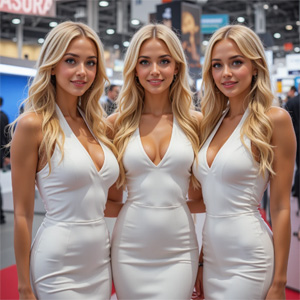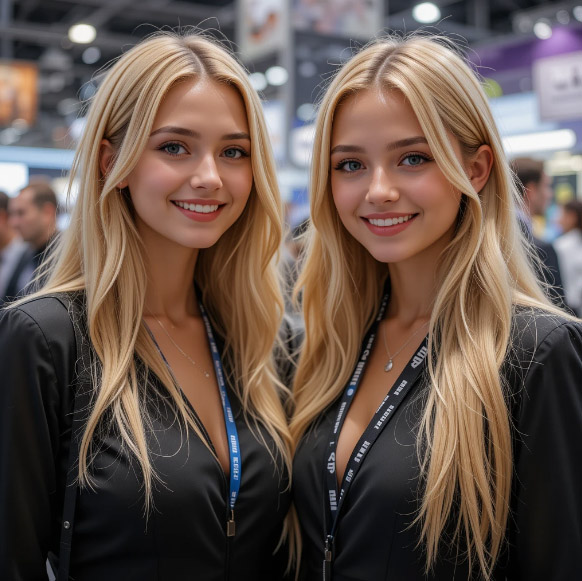
In the sophisticated and highly competitive environment of Moscow’s premier furniture trade fair—where design innovation, craftsmanship, and comfort converge—the difference between a passing glance and a lasting impression often comes down to human connection. Here, promotional models have evolved far beyond traditional connotations; they are Brand Ambassadors, Design Storytellers, and Experience Curators who play an indispensable role in translating aesthetic vision into commercial success.
The Russian furniture market, particularly in Moscow, is a dynamic landscape shaped by discerning interior designers, architects, procurement managers for hospitality projects, and high-end retailers. At events like Mebel or MosBuild’s Furniture Salon, where thousands of exhibitors compete for attention, promotional models serve as the living embodiment of a brand’s identity, guiding clients through immersive experiences and forging emotional connections with products.
Beyond Aesthetics: The Multifaceted Role of Furniture Promotional Models
The responsibilities of promotional models in the furniture sector are as carefully crafted as the products they represent:
- Atmosphere Architects and First Impressions: Before a single word is spoken, promotional models establish the brand’s ambiance. Their professional presence, attire aligned with the brand’s aesthetic (be it minimalist Scandinavian, opulent classic, or industrial loft), and confident demeanor immediately communicate the quality and style of the furniture, making the booth feel like an inviting, lived-in space rather than a mere sales floor.
- Product Storytellers and Demonstrators: Furniture is experiential. Models are trained to highlight key features through demonstration—elegantly reclining on a sofa to showcase its comfort, opening and closing sleek drawers to emphasize smooth functionality, or arranging accessories on a table to illustrate its versatility. They articulate the design narrative, explaining the inspiration behind a collection, the sustainability of materials, or the ergonomics of an office chair, transforming specifications into desirable benefits.
- Lead Qualification and Audience Engagement: In a busy fair, filtering serious buyers from casual observers is crucial. Promotional models are skilled at initiating conversations, asking qualifying questions, and identifying high-value prospects such as interior design firms, hotel chain purchasers, or export managers. They ensure that sales representatives engage efficiently with potential partners, maximizing lead generation and ROI.
- Cultural and Linguistic Bridges: For international brands, this role is a strategic advantage. A model fluent in Russian and English, with an understanding of local design trends and business customs, can seamlessly connect with Moscow’s elite design community. They navigate nuanced conversations about customization options, delivery logistics, and pricing, building trust and facilitating clear communication between global brands and local clients.
- Trend Embodiers and Brand Personifiers: Models bring catalogues to life. By personifying the brand’s target audience, they help visitors visualize how the furniture would look and feel in real settings—whether a luxury apartment, a corporate office, or a boutique hotel. This emotional resonance is often the catalyst for a sale.
The Moscow Distinction: Why Local Expertise Matters
The Moscow furniture market has unique characteristics, from the dominance of classic luxury in certain districts to the growing demand for modern, space-saving solutions in urban apartments. Local promotional models offer more than language skills; they provide cultural fluency. They understand these subtleties, allowing them to tailor interactions, highlight relevant product benefits, and provide exhibitors with immediate feedback on what resonates with the local audience.
Casting the Ideal Representative: The Blend of Grace and Knowledge
The most effective promotional models in this niche possess a specific blend of attributes:
- Aesthetic Sensitivity: An innate understanding of design, proportion, and style to discuss products credibly with creative professionals.
- Interpersonal Excellence: The ability to engage with everyone from shy retailers to assertive CEOs with equal measures of warmth and professionalism.
- Product Training: Thorough briefing on materials, construction quality, and design philosophy to answer technical and aesthetic queries accurately.
- Adaptability: The energy to maintain enthusiasm over long days and the agility to adapt to different client interactions.
Conclusion: The Human Element in a Design-Driven World
In the furniture industry, where products are deeply personal and decisions are often emotional, the promotional model is the vital human link between a beautiful object and its future owner. They provide the context, the story, and the experience that catalyses a purchase decision.
For exhibitors at Moscow’s furniture fairs, investing in professional, knowledgeable, and culturally-attuned promotional models is not a superficial cost—it is a strategic investment in brand perception, lead quality, and ultimately, market share. They ensure that your furniture doesn’t just fill a space in the exhibition hall but occupies a lasting place in the imagination—and order books—of Moscow’s most influential design players.