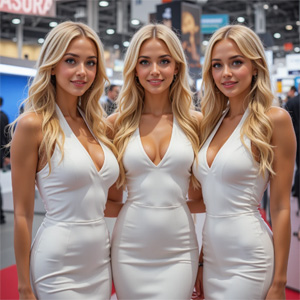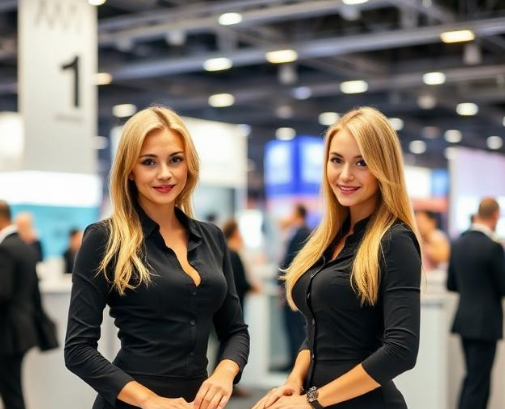
Moscow has firmly established itself as the beating heart of the retail industry in Eastern Europe and Eurasia. From the sprawling halls of Crocus Expo to the expansive Expocentre Fairgrounds, major trade shows such as CPM (Collection Première Moscow), InterFashion, Euro Shoes, WorldFood Moscow, and the upcoming InterCHARM 2026 (October 14-17 at Crocus Expo) draw tens of thousands of buyers, distributors, and industry professionals each year.
In this high-stakes, fiercely competitive environment, the difference between a successful market entry and a forgotten booth often comes down to a single, strategic asset: the Russian booth assistant. Gone are the days of the silent “exhibition girl” who simply hands out brochures. Today, these professionals have evolved into strategic brand ambassadors, cultural bridges, and lead-generation engines.
Beyond a Pretty Face: The Three Tiers of Booth Talent
The days of hiring based solely on appearance are fading. While a polished look is still standard for premium retail events, Moscow’s staffing agencies now offer a tiered hierarchy of support to match specific business goals.
1. The Bilingual Hostess (Traffic Management)
This is the operational anchor. Their primary goal is volume—greeting foot traffic, scanning badges, and distributing lookbooks. Crucially, they act as the first filter, ensuring that only qualified leads progress to the sales team. They ensure the booth looks professional and welcoming, managing the flow of visitors during peak hours at massive events like InterCHARM, which expects over 96,000 professionals.
2. The Product Demonstrator (The Technical Expert)
In the retail sector, “seeing” isn’t enough; customers need to understand the product’s value. A Product Booth Assistant is trained to handle technical questions that a standard hostess cannot.
- For Fashion & Footwear: They discuss fabric composition (e.g., the difference between modal and viscose), thread count, or footwear comfort technology. At an event like Euro Shoes, they demonstrate features and handle samples professionally.
- For Consumer Goods: At WorldFood, they manage tasting sessions, verify ingredient lists against Russian regulations, and explain packaging to local distributors.
- For Cosmetics: At InterCHARM, they understand fragrance notes (top, middle, base), skincare ingredients, and can correctly present a product’s benefits in an engaging way.
3. The Retail Negotiator & Interpreter (The Closer)
This is the highest strategic tier. These are bilingual (or trilingual) specialists who understand retail metrics like MOQ (Minimum Order Quantity), lead times, and EAC (Eurasian Conformity) certification. They are deployed to manage VIP buyers from major retail chains like X5 Group, Lenta, or Magnit, ensuring that when a contract worth millions of rubles is on the table, no nuance is lost in translation. They embody the brand’s values and ensure that every interaction is positive and informative.
The Cultural Bridge: Why Local Knowledge Matters
Moscow is not a one-size-fits-all market. A local Russian assistant does more than just translate; they provide invaluable cultural intelligence.
- Business Etiquette: They know that Russian business culture remains formal and relationship-driven. They understand the importance of a firm handshake, direct eye contact, and patience during negotiations. They also navigate the local hospitality customs, such as offering tea during negotiations, which builds significant goodwill.
- Consumer Preferences: They understand that Russian consumers have distinct preferences regarding color palettes, sizing, and quality expectations, particularly relevant for fashion and footwear brands.
- Navigating Logistics: They are familiar with the notorious Moscow traffic and the layout of complex venues like Crocus Expo, ensuring they arrive early and the booth is pristine before doors open.
The Business Impact: ROI on the Floor
Hiring a booth assistant in Moscow is a direct investment in lead generation. Professional agencies report that trained staff generate significantly more qualified leads than unattended displays.
The cost of a professional assistant typically ranges from 8,000 to 12,000 RUB per day depending on language skills and experience—a minimal cost compared to the potential value of a single retail contract. For events like InterCHARM, where the exhibition traditionally offers benefits such as free bilingual hostesses for exhibitors, the value is clear.
In an environment where trust is the ultimate currency and miscommunication can kill a deal, the Russian Booth Assistant is the indispensable key to unlocking the vast potential of the Moscow retail market. They are not an expense to minimize; they are the human interface of your brand—and in the competitive landscape of Russian retail, they are your best investment.