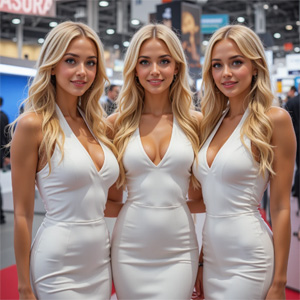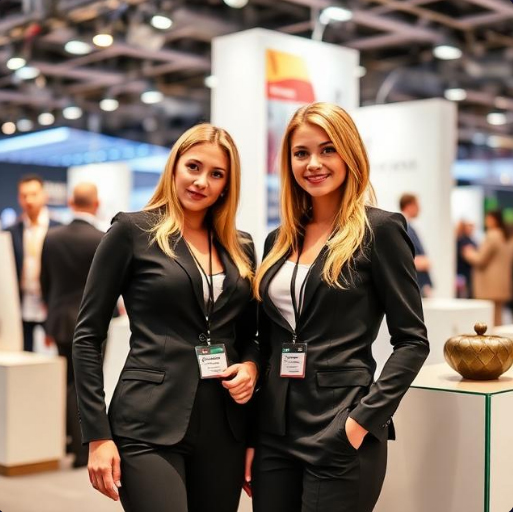
The Russian lighting industry is a dynamic and rapidly evolving market, with exhibitions like Interlight Moscow and Light + Audio Tec serving as the primary stages where global brands and local leaders converge. These events, drawing tens of thousands of professionals and hundreds of exhibitors, are not just about displaying cutting-edge LED systems or architectural lighting solutions; they are crucibles of communication and deal-making. In this high-stakes environment, the “booth assistant”—a role far beyond that of a simple hostess—emerges as a critical asset for any exhibitor aiming to succeed.
A Professional Hub for the Industry
Major trade fairs like Interlight Moscow are the focal points for the Russian lighting market, bringing together a diverse audience of architects, designers, engineers, developers, and government customers. With the exhibition attracting over 26,000 visitors and 365 brands, and 51% of attendees coming specifically to find new suppliers, the competition for attention is immense. Similarly, Light + Audio Tec serves as the key event for the entertainment and stage lighting industry, drawing over 13,000 visitors to see the latest in sound, stage, and video technologies. Events like TransportLIGHT further specialize the market, focusing on niche segments like infrastructure and vehicle lighting. In every case, the exhibition stand is the company’s frontline.
The Technical and Safety Backdrop
To understand the booth assistant’s role, one must first understand the context. Russian exhibitions are governed by strict technical and safety regulations. Electrical installations, lighting equipment, and wiring must comply with current Russian Regulations for the Operation of Electrical Equipment (PTEEP) and Construction Engineering Regulations (SNiP). Cables must be protected, and lighting equipment must meet fire hazard regulations. These complex requirements mean that an exhibitor’s attention is heavily taxed by logistics and compliance. This is where the booth assistant provides immense value, allowing the company’s technical staff to focus on the equipment while the assistants handle communication.
Beyond a Pretty Face: The Ambassador of Your Brand
In the Russian context, a booth assistant is much more than a greeter. They function as brand ambassadors and communication specialists. They are the first point of contact and are often responsible for qualifying leads, managing the flow of visitors, and ensuring that the right people connect with the right technical experts. Given the high number of first-time visitors (44%) and direct project customers (24%), the assistant’s ability to quickly engage and understand a visitor’s needs is invaluable. Many companies hire assistants who can provide translation and interpretation services, bridging the language gap between international exhibitors and Russian-speaking professionals.
Key Responsibilities on the Show Floor
The responsibilities of a Russian booth assistant are multifaceted. They include:
- Welcoming and Engaging: Proactively inviting visitors to the booth and creating a positive, professional atmosphere.
- Lead Qualification: Gathering contact information and assessing the visitor’s role (e.g., architect, distributor, engineer) to direct them to the appropriate person.
- Demonstration Support: Assisting with product demonstrations by handling materials, showcasing literature, or managing digital presentations.
- Language Support: Offering translation services to facilitate discussions between foreign exhibitors and Russian clients, a critical service in an international trade environment.
- Hospitality Management: Ensuring the booth remains clean, organized, and that promotional materials are well-stocked, contributing to a professional brand image.
A Strategic Investment
For international companies entering or expanding in the Russian market, hiring a competent Russian booth assistant is not an expense; it is a strategic investment. These professionals bring local knowledge, language skills, and a professional demeanor that builds trust with Russian clients. A skilled assistant can transform a static display into a dynamic hub of professional dialogue. Exhibitors can source these specialists through professional agencies that often advertise under categories like “Russian Interpreter Exhibition Translator Hostess Booth Assistant,” ensuring they find personnel familiar with the specific demands of trade shows.
The Russian lighting equipment exhibition is a powerful tool for business development, but its success hinges on the quality of human interaction at the point of contact. Booth assistants in Moscow are a vital part of the professional ecosystem, acting as the essential link between cutting-edge technology and the clients who will use it. As the industry continues to evolve, the role of these skilled communicators will only grow in importance, ensuring that every exhibition is not just a showcase of light, but a beacon for new business.