In the sprawling, dynamic expanse of Moscow’s major exhibition venues—from the massive Crocus Expo to Timiryazev Centre—the difference between a successful market entry and a forgotten booth often comes down to a single asset: the human interface.
For international brands looking to navigate the complexities of the Russian market, the Russian Exhibition Assistant has evolved far beyond a simple “booth hostess.” Today, these professionals are strategic assets, acting as cultural bridges, retail negotiators, and logistical anchors in a high-stakes commercial environment.
Why Standard Staffing Isn’t Enough
The Russian exhibition landscape has shifted dramatically in recent years. With the departure of some Western brands and the strengthening of supply chains from China, Turkey, and Iran, events like MosHome, WorldFood Moscow, and RFT EXPO have become fiercely competitive battlefields for market share.
Here, the visitors are not casual browsers. They are category managers from federal retail chains like X5 Group, Lenta, and Magnit; procurement specialists from massive holding companies; or representatives from e-commerce giants like Ozon and Wildberries. Engaging these buyers requires a specific skillset that a standard translator or a generic promoter usually lacks.
Professional agencies (such as MoscowHostess) offer a tiered staffing model that recognizes this complexity.
The Three Pillars of the Modern Assistant
Depending on the industry—be it DIY construction, consumer goods, or fashion—exhibitors can choose from a hierarchy of support:
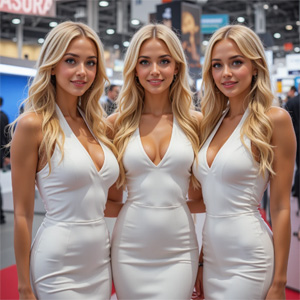
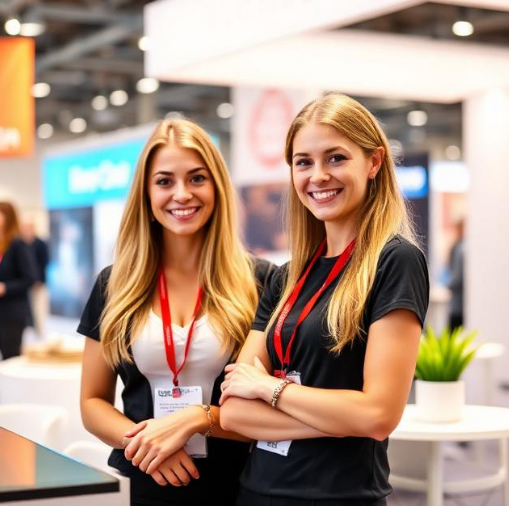
1. The Bilingual Hostess (Brand Presence)
This role is the foundation. Focused on traffic management, badge scanning, and distributing marketing materials, the hostess ensures the booth looks professional and welcoming. They are the first filter, ensuring that only qualified leads proceed to the sales team.
2. The Product Demonstrator (The Technical Expert)
In sectors like DIY tools or home textiles, seeing is believing. The Product Booth Assistant is trained to handle “first wave” technical questions. For a power tool exhibitor, this means explaining torque or battery run-time; for a textile supplier, it involves discussing thread count or material durability. They bring the catalog to life without requiring the senior sales manager’s time for every inquiry.
3. The Retail Negotiator & Interpreter (The Closer)
This is the highest tier. These are bilingual (or trilingual) specialists who understand retail metrics like MOQ (Minimum Order Quantity), lead times, and EAC certification requirements. They are deployed to manage VIP buyers or handle private label (OEM) negotiations. In an environment where a single contract with a retailer can be worth millions, this professional ensures that no nuance is lost in translation.
Sector-Specific Nuances: DIY vs. Fashion vs. Food
One of the greatest values of Moscow’s staffing agencies is their ability to provide industry-specific staff.
- DIY & Home Improvement (MosBuild/MosHome): Assistants here need a working vocabulary of hardware, paints, and tools. They understand the difference between a retail buyer looking for garden tools and a supply chain manager seeking industrial-grade fasteners.
- Fashion & Textiles (RFT EXPO): At venues like Sadovod, the focus shifts to aesthetics and material quality. A skilled fashion assistant helps with “touch and feel” sales, managing fabric samples, and discussing production lead times with Russian clothing manufacturers.
- Consumer Goods & Food (WorldFood): This requires high energy and hygiene awareness. Assistants often manage tasting sessions, verify ingredient lists against Russian import regulations, and help international brands explain their packaging to local distributors.
Cultural Intelligence: The “Secret Weapon”
Beyond language, the primary value of a Russian assistant is cultural fluency. Russian business etiquette remains formal and relationship-driven. A professional assistant navigates this effortlessly:
- Formal Address: They know when to use patronymics to show respect to senior executives.
- Hospitality: They understand the cultural expectation to offer tea or water during negotiations, a small gesture that builds significant goodwill.
- Logistics: They are familiar with the notorious Moscow traffic and the layout of complex venues like the Timiryazev Centre or Crocus Expo, ensuring they arrive early and the booth is pristine before doors open.
The Service Ecosystem: More Than Just Staff
The exhibition service industry in Moscow is mature and integrated. International exhibitors can leverage services that include:
- Stand Design & Construction: Full custom builds or modular systems compliant with Russian safety standards.
- Logistics & Customs Clearance: Handling the complex importation of samples and exhibition goods.
- Event Management: Full-scale organization of conferences or VIP dinners alongside the exhibition.
An Investment, Not an Expense
For an international company exhibiting in Moscow, walking into a trade fair without a professional local assistant is akin to negotiating a contract blindfolded. In an environment where trust is the ultimate currency and miscommunication can kill a deal, the Russian Exhibition Assistant is the indispensable key to unlocking the vast potential of the Russian consumer and industrial markets.
By hiring a specialized agency, brands gain more than a warm body; they gain a strategic partner who can turn foot traffic into concrete revenue.