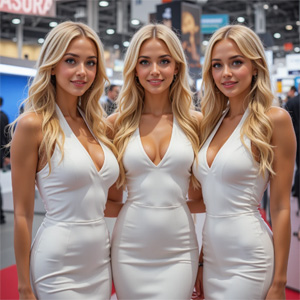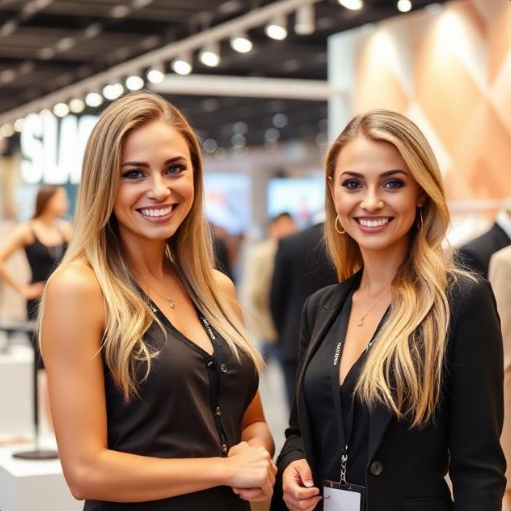
In the high-stakes arena of Moscow’s interior materials industry, the first impression is rarely made by a marble sample or a swatch of Italian textile. It is made by a person—a meticulously trained hostess who serves as the human gateway between a brand and its potential clients. At the heart of this ecosystem, events like the colossal MosBuild exhibition transform the Crocus Expo International Exhibition Center into a bustling marketplace where the nuances of hospitality are as critical as the quality of the products on display.
The Flagship: MosBuild
MosBuild is the undisputed centerpiece of the industry calendar. As the largest building and interiors trade show in Russia and Eurasia, it is the event where business is forged. The 2026 edition featured over 1,200 exhibitors from 50 countries, attracting more than 68,000 professional visitors. Spanning 16 specialized sectors—from ceramics and stone giants like Kerama Marazzi and Roca to lighting, furniture, and textiles—the sheer scale is overwhelming.
In such a vast environment, where a Russian manufacturer of decorative plasters competes for attention alongside a European lighting brand, the exhibition hostess is a strategic asset, not merely a decorative fixture.
Beyond the Aesthetic: The Role of the Hostess
For a company operating in the high-value interior design sector, hiring a hostess is a calculated move to maximize return on investment. These professionals are often referred to as “brand ambassadors” or “experience curators”. Their responsibilities extend far beyond greeting visitors:
- Atmosphere Architects: Before a single word is spoken, the hostess establishes the brand’s ambiance. Their professional presentation and attire are carefully chosen to align with the brand’s aesthetic—be it minimalist, opulent, or industrial. Their demeanor makes the booth feel like an inviting showroom rather than a mere sales floor.
- Storytellers and Demonstrators: Interior materials are deeply experiential. A hostess is trained to highlight key product features. For a furniture brand, this might mean demonstrating the comfort of a sofa or the smooth functionality of a drawer. For a tile manufacturer, it involves articulating the design narrative and the sustainability of materials, translating technical specifications into desirable benefits for an architect or designer.
- Lead Qualification: In a busy fair, filtering serious buyers from casual observers is crucial. Hostesses are skilled at initiating conversations, asking qualifying questions, and identifying high-value prospects such as design firms, hotel purchasers, or developers. This ensures that the sales team’s time is spent efficiently on potential partners.
- Cultural and Linguistic Bridges: For international brands, this role is particularly strategic. A model fluent in Russian and English, with an understanding of local design trends, can seamlessly connect with Moscow’s elite design community. Moscow’s market has unique characteristics, from a demand for classic luxury to a growing need for modern, space-saving solutions. A local hostess possesses the cultural fluency to tailor interactions and build trust.
The Moscow Distinction
The Russian interior market is distinct. It is a dynamic landscape shaped by discerning interior designers, architects, and procurement managers for large hospitality projects. At events like MosBuild or the specialized furniture fair Mebel, thousands of exhibitors compete for attention. In this environment, the human connection provided by a professional hostess is often the catalyst that moves a client from a passing glance to a purchase order. They are not just present; they are the living embodiment of the brand’s identity, ensuring that a company’s products occupy a lasting place in the imagination—and the order books—of Moscow’s most influential industry players.