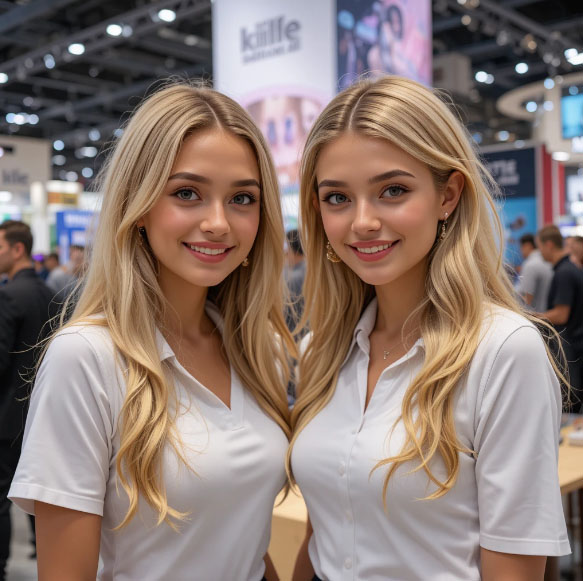
The packaging industry is the silent partner of modern commerce. Every product that moves from factory to consumer requires packaging: protection, preservation, information, and marketing. From the bottle that holds a beverage to the box that contains an appliance, from the flexible film that wraps a sandwich to the blister pack that secures a medication, packaging is everywhere. Russia, with its vast geography, growing consumer market, and expanding manufacturing base, represents a major arena for packaging equipment and materials. At the center of this industrial ecosystem are the international packaging equipment exhibitions held in Moscow, events where technology meets throughput and where the business of wrapping, sealing, and labeling is conducted.
The Strategic Importance of the Russian Packaging Market
Russia’s packaging market has grown substantially since the Soviet era. The shift from centralized distribution to modern retail, the growth of e-commerce, the expansion of food and beverage processing, and the development of pharmaceutical manufacturing have all driven demand for packaging equipment and materials. Russian companies have invested heavily in modern packaging lines to compete domestically and export internationally.
Moscow is the commercial and administrative heart of the Russian packaging industry. The city is home to the headquarters of major packaging equipment distributors, the Russian offices of international machinery manufacturers, and the country’s leading packaging institutes and training centers. International packaging equipment exhibitions in Moscow provide the forum where the industry comes together to source machinery, negotiate contracts, and discuss technological developments.
The Flagship Event: Upakovka
The most significant event on the Russian packaging calendar is Upakovka, the international exhibition for packaging machinery, equipment, and materials. Held annually at the Expocentre Fairgrounds, Upakovka has established itself as the premier platform for the entire packaging value chain in Russia and the Commonwealth of Independent States region.
Upakovka covers the full spectrum of packaging equipment and materials. The primary packaging section features filling machines, capping machines, sealing machines, and wrapping machines. The secondary packaging section displays cartoners, case packers, palletizers, and stretch wrappers. The labeling section includes label applicators, sleeve labelers, and print-and-apply systems. The coding and marking section features inkjet printers, laser coders, and thermal transfer printers. The materials section presents flexible films, rigid containers, closures, labels, and adhesives.
The exhibition attracts a professional audience of packaging line managers, production engineers, procurement specialists, and plant managers. The atmosphere is intensely practical and efficiency-focused. Visitors arrive with specific packaging challenges, production targets, and capital budgets. Exhibitors bring working machinery, technical experts, and commercial negotiators. Deals for packaging lines and individual machines are concluded on the exhibition floor.
Filling Machines
Filling machines place product into containers, and they are among the most critical components of any packaging line. The filling section of Upakovka features a wide range of technologies.
Liquid fillers handle beverages, oils, sauces, chemicals, and pharmaceuticals. Piston fillers provide high accuracy for viscous products. Gravity fillers suit thin liquids. Overflow fillers achieve consistent fill levels in transparent containers. Aseptic fillers maintain sterility for sensitive products.
Powder fillers handle dry products including flour, sugar, detergent, and pharmaceutical powders. Auger fillers use a rotating screw to measure and dispense powder. Cup fillers use volumetric cups for free-flowing powders.
Tablet and capsule counters fill pharmaceutical bottles with precise counts of solid dosage forms. Vibratory systems orient and count tablets, while vision systems verify count and detect defects.
For production managers evaluating fillers, accuracy, speed, changeover time, and cleanability are key considerations. The exhibitions provide an opportunity to see competing technologies in operation, assess construction quality, and discuss validation and support.
Capping and Sealing Machines
After filling, containers must be closed. The capping and sealing section of Upakovka features equipment for applying closures and seals.
Screw cappers apply threaded caps to bottles. Chuck cappers are used for standard caps, while spindle cappers handle a wider range of cap styles. Snap cappers apply press-on caps for personal care products and pharmaceuticals.
Induction sealers apply foil seals to bottle mouths, providing tamper evidence and freshness protection. Heat sealers close flexible packages including pouches and bags. Band sealers, impulse sealers, and continuous heat sealers address different package types.
For production managers, capping equipment must apply closures consistently without cross-threading or damaging containers. The exhibitions allow comparison of capping technologies and discussion of changeover requirements for different container and cap sizes.
Wrapping Machines
Wrapping machines encase products in flexible packaging materials. The wrapping section of Upakovka features several equipment categories.
Flow wrappers, also known as horizontal form-fill-seal machines, wrap products in a continuous tube of film. They are used for confectionery, bakery items, pharmaceutical blister cards, and many other products. Flow wrappers operate at high speeds and can include gas flushing for modified atmosphere packaging.
Shrink wrappers enclose products in film that is then heated to shrink tightly around the product. Shrink wrapping is used for multipacks, for example wrapping six bottles together, as well as for individual products. Shrink tunnels provide controlled heat to activate shrinkage.
Stretch wrappers apply stretch film to pallet loads, securing products for transport. Rotary stretch wrappers spin the film carriage around the pallet, while turntable stretch wrappers rotate the pallet. Automatic stretch wrappers integrate with conveyor systems for high-volume operations.
For packaging engineers, wrapping equipment must handle the required film types, achieve desired seal strength and appearance, and operate at required speeds. The exhibitions provide access to suppliers who can deliver integrated solutions.
Cartoning Machines
Cartoning machines erect flat carton blanks, fill them with product, and close the carton flaps. The cartoning section of Upakovka features both horizontal and vertical cartoners.
Horizontal cartoners push product into a carton from the side. They are used for bottles, tubes, blister packs, and many other product types. Horizontal cartoners can include leaflet inserters for pharmaceutical products.
Vertical cartoners drop product into a carton from above. They are often used for pouches, bags, and other products that enter the carton by gravity.
For production managers, cartoners must handle the required carton sizes, achieve proper flap closure and glue application, and operate reliably at required speeds. Changeover between different product and carton sizes is a critical consideration.
Case Packing and Palletizing
After primary and secondary packaging, products are packed into shipping cases and palletized for transport. The case packing and palletizing section of Upakovka features equipment for these final packaging stages.
Case packers place primary packages into shipping cases. Pick-and-place case packers use robotic arms to pick products and place them into cases. Drop packers allow products to drop into cases, suitable for rigid products. Wrap-around case packers form cases around products, reducing material usage.
Palletizers stack cases onto pallets for transport. Robotic palletizers use articulated arms to place cases in patterns. Conventional palletizers use columns and sweep mechanisms. Layer palletizers build pallet loads one layer at a time.
For logistics managers, case packers and palletizers must handle the required case sizes and weights, achieve stable pallet patterns, and operate reliably. The exhibitions provide access to suppliers offering integrated solutions from case packing to pallet stretch wrapping.
Labeling Machines
Labels provide product information, branding, and regulatory compliance. The labeling section of Upakovka features equipment for applying labels to containers and packages.
Pressure-sensitive labelers apply pre-printed labels with adhesive backing. Wrap labelers apply labels around cylindrical containers. Front-back labelers apply labels to front and back of containers simultaneously. Top labelers apply labels to caps or tops.
Sleeve labelers apply shrink sleeves that cover the entire container body. Sleeves provide 360-degree graphics and tamper evidence. Steam or heat tunnels shrink sleeves tightly to container contours.
Roll-fed labelers apply labels cut from a roll of stock, with adhesive applied just before application. These systems are used for high-volume beverage and food containers.
For packaging managers, labelers must achieve accurate label placement, handle required label sizes and materials, and operate at required speeds. The exhibitions allow comparison of competing technologies and discussion of integration with upstream and downstream equipment.
Coding and Marking
Codes provide traceability, expiration dates, batch numbers, and other information. The coding and marking section of Upakovka features technologies for applying codes to packages.
Inkjet printers spray small droplets of ink to form characters. Continuous inkjet printers are used for high-speed coding on porous and non-porous surfaces. Thermal inkjet printers provide high resolution for codes that must be read by vision systems.
Laser coders use lasers to mark surfaces. They require no consumables, produce permanent marks, and operate at high speeds. Laser coders are used for pharmaceutical, beverage, and other applications where permanence and cleanliness are essential.
Thermal transfer printers use heat to transfer ink from a ribbon to a label or film. They produce high-resolution codes and graphics, suitable for variable data including barcodes and serialized numbers.
For production managers, coding equipment must produce legible, durable codes at required speeds, with minimal downtime for ribbon or ink replacement. The exhibitions provide access to suppliers who can integrate coding into existing packaging lines.
Flexible Packaging Machines
Flexible packaging, including pouches and bags, has grown substantially. The flexible packaging section of Upakovka features machinery for producing and filling flexible packages.
Vertical form-fill-seal machines form bags from flat film, fill them with product, and seal them. These machines are used for a wide range of products including snacks, frozen foods, powders, and liquids. VFFS machines operate at high speeds and offer efficient material usage.
Pre-made pouch fillers fill bags that have been formed offline. These machines are suitable for products requiring longer fill times or more complex filling technologies. Rotary and linear pouch fillers are available for different volume requirements.
Stand-up pouch machines produce pouches that stand upright on store shelves, offering excellent shelf presence. Spout pouch machines add fitments for dispensing liquids, used for baby food, beverages, and condiments.
For flexible packaging specialists, VFFS and pouch filling machines must achieve strong seals, accurate fills, and attractive finished packages. The exhibitions provide access to suppliers offering complete lines from film unwind to finished bag.
Bottling and Canning Lines
Beverage packaging is a major application for packaging equipment. The bottling and canning section of Upakovka features complete lines for filling and closing bottles and cans.
Rinsers clean containers before filling. Air rinsers use blown air to remove dust; water rinsers use water for more thorough cleaning. Fillers for beverages include gravity fillers for still drinks, counter-pressure fillers for carbonated drinks, and hot-fill fillers for juices and teas.
Cappers apply closures appropriate to the beverage: screw caps for water, roll-on pilfer-proof caps for carbonated soft drinks, crown corks for beer. Can fillers and sealers handle aluminum and steel cans for beer, soft drinks, and energy drinks.
For beverage production managers, line speed, fill accuracy, oxygen pickup, and container handling are key. The exhibitions provide access to complete line suppliers who can deliver integrated solutions.
Pharmaceutical Packaging
Pharmaceutical packaging has unique requirements: sterility, tamper evidence, child resistance, and regulatory compliance. The pharmaceutical packaging section of Upakovka features specialized equipment for this demanding sector.
Blister packaging machines form cavities in plastic film, fill the cavities with tablets or capsules, and seal the film with lidding material. Blister packs provide individual dosing and tamper evidence. Modern blister machines include vision inspection systems.
Bottle filling lines for pharmaceuticals include unscramblers, tablet counters, cotton inserters, desiccant inserters, cappers, and labelers. Serialization equipment applies unique codes to each package for track-and-trace compliance.
For pharmaceutical packaging managers, validation, documentation, and compliance are as important as equipment performance. The exhibitions provide access to suppliers with deep expertise in regulated packaging.
Inspection and Quality Assurance
Packaging lines must produce packages that meet specifications. The inspection section of Upakovka features equipment for verifying package quality.
Checkweighers weigh filled packages to ensure correct fill weight. Reject systems remove underweight and overweight packages. Metal detectors identify metal contaminants in packaged products. X-ray inspection systems detect metal, glass, stone, and other dense contaminants.
Vision inspection systems use cameras to verify label placement, code presence and readability, seal integrity, and container condition. Reject systems remove defective packages automatically.
For quality assurance managers, inspection equipment must detect relevant defects at line speed, with minimal false rejects. The exhibitions provide access to suppliers who can integrate inspection into existing lines.
Materials and Containers
Packaging equipment requires packaging materials. The materials section of Upakovka features suppliers of rigid and flexible packaging materials.
Rigid containers include glass bottles, plastic bottles, metal cans, and cartons. Container suppliers display their products, emphasizing material properties, dimensional consistency, and decoration options. For production managers, container consistency is essential for reliable equipment operation.
Flexible materials include films, foils, papers, and laminates. Film suppliers display samples, discussing barrier properties, seal characteristics, and printing options. For packaging engineers, material selection affects machine performance, package integrity, and shelf life.
Closures include screw caps, snap caps, dispensing closures, and child-resistant closures. Closure suppliers display their products, discussing application requirements and sealing performance.
International Participation
International participation in Upakovka is substantial. German and Italian packaging machinery manufacturers have traditionally dominated the high end of the market and maintain a strong presence through Russian subsidiaries and distributors. Swiss, French, and Spanish manufacturers are also well represented.
Chinese machinery manufacturers have expanded their footprint significantly, offering competitive pricing and rapidly improving quality and reliability. Turkish manufacturers offer value-oriented solutions, benefiting from geographic proximity.
Russian domestic packaging machinery manufacturers, while smaller than their international counterparts, have grown under import substitution programs. They exhibit at Upakovka, emphasizing lower cost, faster service, and understanding of local conditions.
Practical Information for Visitors
For professionals attending Upakovka, advance preparation is essential. The exhibition is large, covering multiple halls at Expocentre. Comfortable footwear is essential for navigating the exhibition floor.
Advance registration is recommended, with significant discounts compared to on-site rates. Trade visitors should register as professionals to access the full range of exhibition services. Business cards in Russian and English are essential for networking.
The Expocentre is well served by public transportation, with a dedicated metro station. Hotels near the venue book quickly during the exhibition, so advance reservations are recommended. Security screening is thorough, and identification must be carried.
The Future of Packaging Exhibitions in Moscow
Several trends will shape the evolution of Moscow’s packaging equipment exhibitions. Sustainability will become increasingly central. Equipment that reduces material usage, handles recycled materials, or processes biodegradable films will receive attention. Exhibitors who can demonstrate environmental benefits will have a competitive advantage.
Digitalization will continue. Smart packaging lines with sensors and connectivity enable remote monitoring and predictive maintenance. Persistent online platforms may connect buyers and sellers year-round, with physical exhibitions reserved for major equipment demonstrations.
E-commerce packaging, designed for direct-to-consumer shipment, will drive demand for appropriate equipment. Right-sized packaging, easy-open features, and returns-friendly designs will be emphasized.
International packaging equipment industry exhibitions in Moscow are essential events for anyone involved in protecting, preserving, and presenting products in the Russian market. They connect filling machine manufacturers with beverage producers, label applicator suppliers with pharmaceutical companies, and case packer builders with logistics providers.
In the exhibition halls of Moscow, filling machines cycle, labelers apply labels, and case packers form shipping containers. A production manager finds a filler that will reduce giveaway. A packaging engineer discovers a sealer that will improve package integrity. A plant manager selects a palletizer that will reduce labor costs. And an industry, essential to modern commerce, continues its work of wrapping the world, one package at a time.