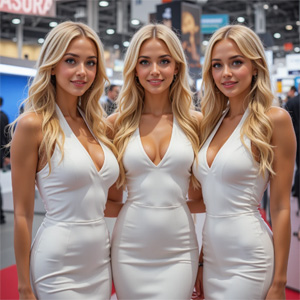
In the competitive world of food and beverage trade, where taste, quality, and trust determine commercial success, first impressions can make the difference between a contract signed and a sample discarded. At WorldFood Moscow — Eurasia’s largest and longest-running international food and drink exhibition — the exhibition hostess serves as a vital link between global manufacturers and the professional buyers who shape the region’s import market.
Held annually each September for more than three decades, WorldFood Moscow will celebrate its 35th anniversary from September 15 to 18, 2026, at Crocus Expo IEC, Pavilion 3, Moscow. The event brings together over 1,100 exhibitors from 80+ countries and more than 26,000 trade professionals, spanning wholesale distributors, retail chains, food producers, and HoReCa representatives. With 16 product sectors covering everything from fresh produce and meat to beverages, organic foods, and ingredients, the exhibition functions as the primary gateway for food and drink companies seeking to enter or expand across the Eurasian market. In this high-stakes sensory environment — where buyers taste, touch, and negotiate — the hostess is far more than a decorative presence. She is the culinary ambassador, the cultural bridge, and often the difference between a handshake that leads to a contract and a sample that ends up in the bin.
Beyond the Welcome Smile: The Strategic Role
At WorldFood Moscow, hostesses fulfil responsibilities that extend far beyond basic greeting functions. They serve as culinary ambassadors, representing brands in a sophisticated B2B environment where food buyers are discerning, regulatory standards are strict, and cultural nuance matters.
Qualifying the Professional Audience: The visitor profile at WorldFood Moscow is highly commercial and decision-driven. Over 26,000 professionals attend, with significant proportions representing wholesale trade, retail chains, food producers, and HoReCa (hotels, restaurants, and catering). Among them, many are company owners, senior management, and dedicated buyers. With a large portion of visitors planning to make purchases after attending, hostesses must quickly distinguish between casual tasters and high-value prospects from federal retail chains. This qualification process ensures that sales teams focus on serious leads.
The Sensory Engagement: Unlike many trade shows, WorldFood Moscow is fundamentally a sensory experience. Buyers need to taste, smell, and evaluate food products firsthand. The exhibition features a signature culinary programme — live demonstrations where international chefs prepare dishes using exhibitor products, alongside tasting sessions across all 16 product sectors. Hostesses at food booths manage tasting sessions, explaining product features, ingredient origins, and preparation methods to visitors. They must understand the nuances of their products — from the specific brewing temperature for coffee to the flavour profile differences between regional cheeses.
Product Knowledge and Regulatory Awareness: The role of a food exhibition hostess has evolved dramatically. Today’s food industry helpers are often required to have backgrounds in food technology, chemistry, or biology. They are expected to understand complex production specifications, translate them into clear Russian, and even spot questionable certification documents from across the table. They need to verify ingredient lists against Russian regulatory standards and explain packaging to local distributors. A simple hostess cannot handle questions about preservative percentages or shelf-life specifications. A knowledgeable culinary ambassador can.
Supporting the Business Programme: WorldFood Moscow features an extensive multi-day conference programme across dedicated theatres. The Food Industry Leaders Forum addresses retail challenges, market trends, and strategic insights, while the Retail Academy offers practical sessions on category development for commercial teams. The WorldFood HoReCa track delivers practical solutions for restaurant industry professionals, and the culinary programme showcases live chef demonstrations. Hostesses assist with these sessions, managing audience flow, directing delegates, and ensuring smooth transitions between the exhibition floor and conference rooms.
The VIP Concierge Role: For international brands exhibiting in the premium segment, hostesses may serve as VIP concierges in private lounges and executive negotiation areas. These high-tier assistants manage exclusive tastings, coordinate private chef experiences, and ensure that key buyers feel respected and valued. Their demeanor is not about attracting a crowd but about managing comfort, discretion, and high-level commercial dialogue.
Cross-Cultural Communication: This is perhaps the most critical dimension of the WorldFood hostess role. The majority of Russian food buyers — whether from federal retail chains or regional distributors — prefer to conduct negotiations in Russian. Product-specific terms like “shelf life,” “halal certification,” and “private label” require accurate translation. Foreign exhibitors who try to go it alone risk watching potential deals walk away to booths where communication flows freely.
Moreover, the evolving market landscape has transformed the environment. Following shifts in the market, local brands have grown in popularity, while international players from China, Turkey, India, and the Middle East have expanded their presence. A Russian hostess working for a foreign brand must navigate this complex consumer sentiment carefully, avoiding the language of foreign exclusivity and instead emphasising global technology and respect for local taste. This often involves creative storytelling that resonates with the modern Russian consumer, who values authenticity, natural ingredients, and honesty.
The Unique Demands of the Food and Beverage Sector
The hostess at WorldFood Moscow must navigate a landscape unlike any other exhibition. Food is personal, cultural, and subject to strict regulations.
Technical and Cultural Literacy: A successful hostess should understand the vocabulary of the food industry — from private label and contract manufacturing to shelf life, halal certification, and category management. This knowledge enables meaningful conversations with buyers from diverse channels: wholesale distributors, retail chains, HoReCa professionals, and food producers.
Managing the High-Volume Environment: With over 26,000 attendees and 1,100 exhibitors across the pavilions at Crocus Expo, the show floor is intense. Hostesses manage visitor flow, coordinate with exhibitors, and assist with the dedicated space enabling pre-arranged negotiations between suppliers and verified buyers.
Supporting the Culinary Programme: The culinary programme has become one of WorldFood Moscow’s signature features, attracting visitors from Brazil, China, India, Turkey, South Africa, and beyond. Hostesses assist with these live demonstrations, coordinating with chefs, managing audience flow, and facilitating tasting sessions. They also support the WorldFood HoReCa educational track, where restaurant and hospitality professionals address procurement, sourcing, and supplier selection.
Competition Support: WorldFood Moscow features two major competitions: the Product of the Year competition, which recognises the highest-quality food products on the Russian market, and the Product Launch of the Year competition, showcasing first-to-market innovations. Hostesses assist with these competitions, managing submissions, directing visitors to dedicated display areas, and supporting the awards ceremonies.
Essential Qualifications for Success
The demanding environment of a major food exhibition requires specific qualifications:
- Language Skills: Fluency in Russian and English is essential. Knowledge of Chinese, Turkish, or Arabic provides a significant advantage given the increasing participation from these markets.
- Technical Literacy: A genuine willingness to understand food production specifications, ingredient sourcing, and regulatory standards. The best hostesses can discuss preservative types, shelf-life factors, and certification requirements.
- Cultural Intelligence: Understanding Russian food culture and consumer preferences. The ability to communicate product attributes using language that resonates locally — focusing on naturalness, authenticity, and honesty.
- Professional Demeanor: Appearance and demeanor must project reliability, trustworthiness, and culinary sophistication — qualities highly valued in the food industry.
- Sensory Awareness: The ability to speak confidently about taste profiles, ingredient quality, and preparation methods.
The Strategic Investment for Exhibitors
For exhibitors at WorldFood Moscow, selecting a hostess is a strategic investment. The exhibition serves as the primary platform for the Eurasian food market, where contracts are signed directly at booths and business challenges can be surpassed in just four days. Professional hostesses contribute to:
- Qualified Lead Generation: By identifying key decision-makers among wholesale buyers, retail chains, and HoReCa professionals.
- Professional Brand Presentation: In a competitive B2B environment, professional representation communicates brand reliability and market positioning.
- International Reach: With exhibitors from 80+ countries, multilingual hostesses facilitate communication and help navigate cross-cultural business interactions.
- Regulatory Guidance: Knowledgeable hostesses help foreign brands navigate Russia’s strict sanitary regulations and avoid potential pitfalls with local inspectors.
At WorldFood Moscow, the hostess is the ultimate culinary ambassador. She facilitates the professional connections that drive the food industry, embodies the brand’s commitment to quality and sensory excellence, and navigates the complex logistics of Eurasia’s premier food event. For food manufacturers, suppliers, distributors, and buyers alike, the hostess is an indispensable component of the WorldFood Moscow ecosystem — not merely a greeter, but a strategic asset in the world of food and beverage trade.