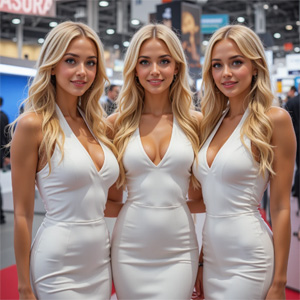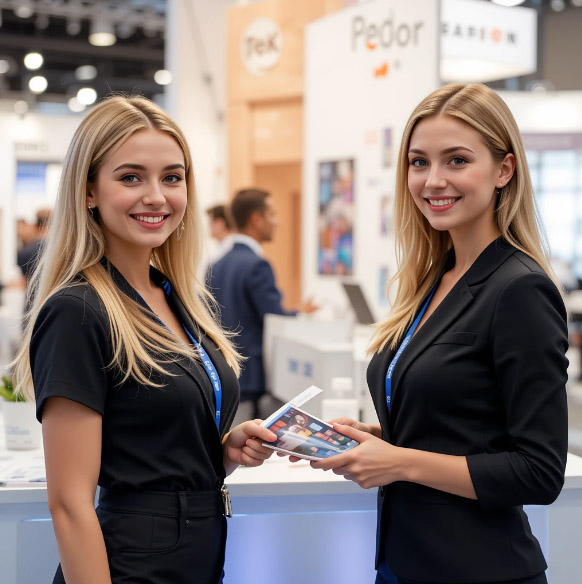
In the bustling, competitive environment of a major textiles fair—where touch, quality, and detailed knowledge drive purchasing decisions—the professionals who represent your brand are not just staff; they are essential ambassadors. At events like Textile Legprom or Interfabric in Moscow, where industry insiders, fashion designers, manufacturers, and buyers converge, the role of the hostess is both an art and a science. This article explores why investing in specialized hostesses is critical for exhibitors aiming to make a lasting impact in the textile industry.
Understanding the Moscow Textiles Fair Audience
The textiles sector is highly specialized. Attendees at these fairs are professionals looking for specific materials: innovative technical fabrics, sustainable textiles, luxury silks, or cost-effective cottons. They are not casual browsers but decision-makers with exacting standards. These buyers and designers expect:
- In-depth knowledge of fiber content, weave, weight, and application
- Clarity on minimum order quantities, pricing, and lead times
- Trustworthiness in supply chain and consistency
A hostess here must be far more than a welcoming presence; she must be a knowledgeable extension of your sales and technical team.
The Multifaceted Role of a Textiles Fair Hostess
The responsibilities of a hostess at a textiles fair differ significantly from those at consumer-facing events. Her role is built on three core pillars:
1. Technical Product Ambassador
Unlike at a fashion fair where aesthetics reign, here the hostess must understand the product’s technical attributes. She should be trained to:
- Speak confidently about material compositions (e.g., “This is a GOTS-certified organic cotton blend with moisture-wicking properties”).
- Explain the appropriate applications of different fabrics (e.g., “This twill is ideal for durable workwear,” or “This chiffon is popular for evening wear collections”).
- Direct technical questions to the appropriate specialist while maintaining engagement.
2. Lead Qualification and Engagement
Her primary goal is to identify and engage serious buyers. This involves:
- Asking qualifying questions: “What type of products do you manufacture?”, “What volume are you looking for?”, “Are you looking for natural or synthetic fibers?”
- Efficiently capturing lead information with specific notes for the sales team.
- Distinguishing between designers, bulk manufacturers, and small boutique owners to tailor the interaction.
3. Creating an Inviting and Efficient Booth Environment
The textiles booth is often a tactile experience. The hostess helps facilitate this by:
- Guiding attendees through product swatches and sample books.
- Managing the flow of traffic to ensure key clients get dedicated time with managers.
- Maintaining an organized and professional display, ensuring materials are accessible and presentable.
Key Qualities of an Effective Textiles Fair Hostess
When selecting hostesses for a textiles fair, look for these essential attributes:
- Quick Learning Ability: She must absorb complex product information quickly and accurately.
- Professional Demeanor: The atmosphere is business-oriented; she should be polished, approachable, but not overly casual.
- Linguistic Capability: Fluency in Russian is mandatory for dealing with local manufacturers and buyers. English is crucial for international attendees.
- Industry Interest: A background or keen interest in fashion, manufacturing, or design is a significant advantage, enabling more meaningful conversations.
- Tactile Communication: The ability to thoughtfully guide a client through the sensory experience of feeling a fabric’s weight and texture is a unique and valuable skill.
Why the “Trade Show Model” Stereotype Fails Here
Using generic models hired only for appearance is a critical error in this environment. An attendee asking about the thread count of a Egyptian cotton or the durability of a new bio-based polyester will immediately detect a lack of knowledge. This undermines the brand’s credibility and can cost a major contract. The hostess must be a credible informant, first and foremost.
Best Practices for Exhibitors: Maximizing Your Hostess Team
- Partner with a Specialized Agency: Work with an event staffing agency in Moscow that understands the B2B and textiles sector. Specify that you need staff who are intelligent, articulate, and capable of handling technical briefings.
- Invest in Serious Training: Dedicate at least a full day to training your hostesses. This should include:
- Deep-dive sessions with your product managers.
- Role-playing exercises for handling common technical questions.
- A clear explanation of your target customer and sales process.
- Create Detailed Reference Materials: Provide hostesses with easy-to-digest cheat sheets on key products, including specs, benefits, and target applications.
- Define Clear Goals and Metrics: Is the goal lead quantity, lead quality, or scheduled appointments? Make this clear to your team so they can focus their efforts effectively.
Conclusion: Weaving Success with the Right Team
At a Moscow textiles fair, your products tell one story through their quality and innovation. Your hostesses tell the other—the story of your brand’s professionalism, expertise, and reliability. They are the critical human interface that can convert a passerby into a prospect and a prospect into a long-term partner.
By moving beyond outdated stereotypes and investing in knowledgeable, professional hostesses, textile companies can ensure they not only showcase the quality of their fabrics but also the strength of their brand, leaving a lasting impression that translates into tangible business long after the fair concludes. In the intricate world of textiles, the right hostess doesn’t just complete your booth—she is an integral thread in the fabric of your success.