Introduction: The Human Face of AI in Russia’s Capital
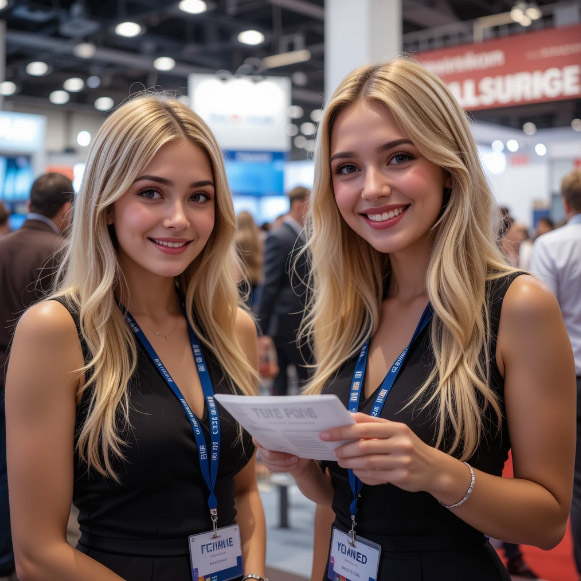
The artificial intelligence sector in Moscow represents one of the most dynamic and rapidly evolving technological landscapes in Eastern Europe, with Russia positioning itself as a significant player in the global AI ecosystem. As Moscow prepares to host prestigious AI events like AI Journey and numerous specialized conferences throughout the year, the role of exhibition staff has never been more critical. These professionals serve as the essential interface between cutting-edge technology and its diverse audience—ranging from developers and researchers to business leaders and international investors. In an environment where complex algorithms and machine learning concepts can seem abstract, exhibition staff translate technological sophistication into accessible experiences, ensuring that every interaction adds value to both exhibitors and attendees.
The Moscow AI market has experienced substantial growth, driven by both governmental support and private sector innovation. AI Journey, for instance, has grown from 5,000 attendees in 2019 to over 171 million views globally in 2025, demonstrating the massive interest and scale of these events. Within this context, exhibition staff are not merely support personnel; they are brand ambassadors, technical facilitators, and relationship managers who significantly contribute to the overall success and professionalism of these premier gatherings.
Key Responsibilities of AI Exhibition Staff
Technical Facilitation and Visitor Engagement
Exhibition staff at AI fairs perform multifaceted roles that blend technical knowledge with exceptional interpersonal skills. Their primary responsibility involves serving as the first point of contact for attendees, providing orientation within often expansive exhibition spaces, and guiding visitors to exhibits matching their interests. For highly technical events like AI Journey, which features everything from generative models to computer vision applications, staff must possess sufficient technical literacy to understand basic AI concepts and terminology, enabling them to answer preliminary questions and direct specialized inquiries to appropriate experts.
These professionals are also tasked with managing interactive demonstrations of AI technologies, which may include everything from natural language processing interfaces to robotic implementations. This requires not only ensuring that demonstration equipment functions properly but also explaining concepts in accessible language to diverse audiences—from school participants in the AI Junior track to corporate executives evaluating implementation strategies. The ability to adjust communication styles based on visitor profiles is particularly crucial in the AI sector, where the knowledge gap between experts and general audiences can be substantial.
Exhibitor Support and Logistics Management
Behind the scenes, exhibition staff provide comprehensive support to exhibiting companies, ranging from startup ventures to established tech giants like Sber, which focuses on large-scale AI projects and model training. This support includes assisting with booth setup, coordinating technical requirements for technology demonstrations, and addressing logistical challenges that arise during the event. Staff often serve as liaisons between exhibitors and event organizers, ensuring that resources are allocated effectively and that any issues are resolved promptly to maintain the professional standards expected at premier AI events.
For international exhibitors, who are increasingly present at Moscow’s AI events following the expansion of the International AI Alliance featuring BRICS countries, multilingual staff play an especially valuable role in bridging cultural and linguistic gaps. This facilitation of international cooperation aligns with the broader objectives of events like AI Journey, which aim to position Moscow as a global hub for artificial intelligence innovation and collaboration.
Essential Qualifications and Skills
Technical Aptitude and Industry Knowledge
The specialized nature of AI exhibitions demands staff qualifications that extend beyond traditional event staffing requirements. While not expected to be AI engineers, successful exhibition staff possess functional understanding of key AI concepts, applications, and market trends. This includes familiarity with machine learning frameworks, computer vision applications, natural language processing, and generative AI—technologies frequently showcased at events like AI Journey. This technical familiarity enables staff to engage in meaningful preliminary conversations with technically-oriented visitors and accurately assess which specialists would best address specific inquiries.
Additionally, staff should be knowledgeable about Russia’s AI landscape, including major players like Sber’s AI community, which boasts large computing clusters and focuses on generative models. Understanding the strategic direction of Russia’s AI development, including governmental initiatives and private sector priorities, allows staff to provide contextually relevant information to international attendees seeking to understand the local market environment.
Communication and Interpersonal Excellence
Regardless of technical knowledge, exceptional communication skills remain the foundation of effective exhibition staffing. AI fair staff must articulate complex concepts clearly and accessibly to diverse audiences, making abstract technologies tangible through relatable examples and analogies. Multilingual capabilities are particularly valuable, with English-Russian bilingualism representing a minimum standard and additional language skills (particularly Chinese, Hindi, or Arabic) providing significant advantages when engaging with international delegates.
The professional demeanor of exhibition staff also contributes significantly to the perceived quality of an event. Poise, confidence, approachability, and cultural sensitivity enable staff to build immediate rapport with everyone from students participating in AI Junior tracks to C-level executives from multinational corporations. These soft skills are particularly important in the AI sector, where staff often need to manage expectations and address concerns about AI ethics, implementation challenges, and return on investment.
Specialized Training for AI Exhibition Context
Pre-Event Technical Briefings
The effectiveness of exhibition staff at AI events is directly proportional to the quality of their pre-event preparation. Comprehensive training programs typically include technical briefings on showcased technologies, market overviews, and detailed information about exhibitors’ products and services. For an event like AI Journey, which encompasses everything from scientific research to business applications, this training must cover a broad spectrum of AI applications.
Staff training also typically includes demonstration management protocols, particularly for interactive exhibits involving sensitive equipment or complex technologies. This includes safety procedures, troubleshooting basic technical issues, and protocols for escalating more complex problems to specialized support teams. For events featuring cutting-edge technologies like quantum computing or advanced robotics, this technical training becomes increasingly important for both participant safety and exhibit functionality.
Cultural Sensitivity and Protocol Training
Given the international character of Moscow’s premier AI events, staff receive specialized training in cross-cultural communication and business etiquette. This includes understanding communication norms, business card exchange protocols, and presentation styles preferred by delegates from different regions, particularly from BRICS countries that feature prominently in international AI collaborations. This cultural competence enables staff to facilitate productive interactions between diverse participants, potentially leading to international partnerships and collaborations.
Additionally, staff are trained on specific event protocols regarding media interactions, confidentiality requirements, and handling of sensitive information—particularly important at events where companies may showcase proprietary technologies or unpublished research findings. This discretion is essential for maintaining trust with exhibiting companies and protecting their competitive advantages.
Technology Integration and Digital Engagement
Hybrid Event Management
The increasing prevalence of hybrid event formats has expanded the responsibilities of exhibition staff to include digital engagement alongside physical facilitation. AI Journey, for instance, has developed a substantial online component, attracting millions of virtual participants from nearly 200 countries. Staff may be tasked with managing live streaming equipment, facilitating online Q&A sessions, moderating virtual chat channels, and ensuring that remote participants have engaging experiences comparable to those of physical attendees.
This digital dimension requires staff to develop technical proficiency with various platforms and tools used for hybrid events, including webinar software, streaming equipment, and digital interaction applications. The ability to troubleshoot basic technical issues becomes increasingly important as events blend physical and digital participation formats, requiring staff to function effectively at the intersection of physical hospitality and digital accessibility.
Data Capture and Lead Management
Exhibition staff at AI fairs are increasingly utilizing specialized digital tools for participant engagement and data capture. This includes tablet-based registration systems, CRM integration for lead qualification, and apps that track participant interests and interactions. At technology-focused events, staff may also demonstrate and explain AI-powered analytics tools that help exhibitors understand visitor behavior and engagement patterns with their displays.
The data management responsibilities of staff require both technical competence and discretion, particularly given the heightened awareness of data privacy issues in the technology sector. Staff must be trained on proper data handling procedures, consent acquisition protocols, and compliance with relevant regulations—especially when dealing with international attendees subject to different privacy frameworks like GDPR.
Logistics and Operational Excellence
Venue Management and Flow Optimization
The physical layout of AI exhibitions presents unique challenges that staff must navigate effectively. These events often feature a mix of traditional booth displays, interactive demonstration zones, presentation stages, and networking areas—all within large venues like Moscow’s Expocentre or other convention facilities. Staff are responsible for managing crowd flow between these areas, preventing congestion around popular demonstrations while ensuring all exhibits receive adequate visitor attention.
For events featuring large equipment or interactive technologies like robotics demonstrations, staff also implement and enforce safety protocols to protect both attendees and expensive equipment. This requires vigilant monitoring of demonstration areas, clear communication of safety guidelines, and coordination with security personnel when necessary to maintain orderly environments conducive to both learning and business development.
VIP and International Delegation Management
AI exhibitions typically attract high-profile participants including government officials, corporate executives, renowned researchers, and international delegations. Exhibition staff often specialize in providing white-glove service to these VIP guests, arranging private tours, facilitating introductions to key exhibitors, and ensuring seamless experiences throughout the event. This VIP management requires exceptional discretion, cultural sensitivity, and familiarity with protocol considerations when dealing with dignitaries and senior executives.
For international delegations, particularly from BRICS and other partner countries, staff may provide language support, itinerary management, and cultural facilitation services that extend beyond the exhibition itself to include local transportation, dining, and networking events. This comprehensive support enhances Moscow’s appeal as a host city for international AI events and encourages continued participation from global partners.
Performance Measurement and Continuous Improvement
Metrics for Success
The effectiveness of exhibition staff is measured through both quantitative and qualitative metrics that correlate with event success. Quantitative measures include lead generation numbers, visitor satisfaction scores, demonstration participation rates, and social media engagement metrics. Qualitative assessment incorporates feedback from exhibitors, observational reports from supervisors, and anecdotal evidence of successful business connections facilitated by staff interventions.
For staff working with specific exhibitors, performance may also be evaluated based on exhibitor-specific metrics such as lead quality, scheduled meetings completed, and direct feedback from exhibiting companies. This dual focus on overall event experience and exhibitor-specific results ensures that staff remain attentive to both general hospitality and specific business objectives throughout the event.
Professional Development Pathways
As Moscow’s AI sector continues to grow, so do professional opportunities for specialized exhibition staff. Many staffing agencies and event organizers now offer career development paths that allow staff to progress from general roles to specialized positions focusing on technical demonstration management, international delegation support, or hybrid event production. This professionalization of exhibition staffing creates opportunities for individuals to build careers specifically within the technology events sector, developing increasingly valuable expertise over time.
Some organizations, including major players like Sber, offer educational programs and internships that can provide pathways into the AI industry more broadly, with exhibition staffing serving as an entry point for individuals interested in technology careers. This intersection between event staffing and industry employment creates additional motivation for staff to develop both their event management skills and their understanding of artificial intelligence technologies.
Conclusion: Strategic Partners in AI Ecosystem Development
Exhibition staff at Moscow’s artificial intelligence fairs have evolved far beyond traditional event support roles to become strategic enablers of knowledge exchange, business development, and international collaboration in one of the world’s most transformative technological fields. Their ability to bridge technical complexity and human curiosity, to facilitate connections across cultures and disciplines, and to ensure seamless experiences for both physical and virtual participants makes them indispensable contributors to the success of these premier events.
As Moscow continues to develop its position as a global AI hub—evidenced by the remarkable growth of events like AI Journey—the specialized capabilities of professional exhibition staff will become increasingly valuable in navigating the complex technical, business, and cultural dimensions of international AI exhibitions. By investing in comprehensive training, advanced tools, and professional development pathways for these frontline ambassadors, event organizers and exhibiting companies not only enhance immediate event outcomes but also contribute to the broader advancement of Russia’s AI ecosystem through facilitated connections and amplified engagement.
The future of AI exhibition staffing will likely see even greater integration of technology into staff functions, with AI-powered tools enhancing everything from participant matching to real-time translation services. However, even as technology evolves, the human elements of empathy, cultural intelligence, and creative problem-solving that exhibition staff provide will remain irreplaceable in creating meaningful connections and transforming technological potential into tangible progress.