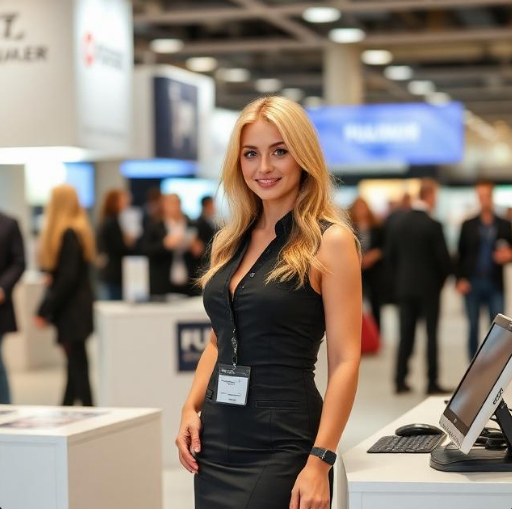
The air inside Moscow’s Crocus Expo carries a distinctive blend of fresh timber, industrial adhesives, and the faint, pleasant aroma of cedar. This is the sensory signature of events like Woodex, Eurasia’s leading exhibition for woodworking machinery, and the broader forestry industry exhibitions that bring Russia’s vast timber sector into focus. With Russia possessing the world’s largest forest reserves—accounting for approximately 20% of global timber resources—these events represent a multi-billion-dollar gateway for global suppliers.
Within this high-stakes environment, a specialized professional plays a strategic role that extends far beyond traditional hospitality: the forestry industry exhibition hostess. These individuals serve as the human interface between complex industrial machinery and the buyers who need it, evolving from traditional “booth babes” into technical brand ambassadors and lead generation specialists.
Beyond a Smile: The Strategic Role of the Hostess
At industry events like Woodex, which welcomed over 8,190 specialized visitors in 2023, and the Lesdrevmash exhibition, the hostess is a critical asset. Her responsibilities are centered on delivering a tangible return on investment for exhibitors.
- The Technical Gatekeeper: Woodworking machinery is intimidating—large, loud, and potentially dangerous. The hostess manages booth traffic flow and ensures safety protocols are observed. More importantly, she acts as a filter, distinguishing a serious procurement manager from a curious student within seconds. Hostesses are trained to ask qualifying questions that align with the industry’s vertical structure: “Are you in logging, primary processing, or furniture manufacturing?”
- The Multilingual Bridge: Given the international nature of the exhibition, hostesses often possess language skills beyond Russian. English is essential, but German, Finnish, Swedish, or Chinese are also highly valued, reflecting key partners in the global forestry supply chain. Their linguistic duties extend from managing registration for international guests to directing specific technical inquiries to the appropriate sales engineer.
- The Lead Generation Specialist: This is where hostesses deliver measurable ROI. They are trained to capture visitor data digitally, noting the visitor’s specific interest—edge banding, CNC routing, or logging harvesters—and their role in the purchasing process. This qualification ensures that senior sales staff only engage with high-value prospects, potentially tripling the efficiency of the technical team. Companies using professional hostesses report that this can increase qualified lead capture by three to five times.
- The Brand Ambassador: In a hall filled with grey cast iron and steel blades, the human element differentiates brands. The hostess embodies the company’s identity—precision, reliability, and professionalism. Her demeanor reflects directly on the quality of the machinery.
The Specialized Knowledge Requirement
The technical nature of the forestry industry demands that hostesses possess industry-specific knowledge. While not expected to be master carpenters, successful hostesses typically understand:
- Basic Forestry Terminology: The difference between softwood and hardwood, knowledge of primary processing (sawmilling, drying) vs. secondary processing (furniture, joinery).
- Key Equipment Categories: They can identify a logging harvester versus a forwarder and understand the purpose of a CNC router or an edge bander.
- Sustainability and Regulatory Issues: Awareness of FSC certification and legal logging compliance, increasingly important in the Russian market.
- Russian Market Structure: Understanding that major buyers come from the “timber industry complexes” in regions like Kirov, Arkhangelsk, and Krasnoyarsk.
The Moscow Exhibition Landscape
The hostesses who staff these events must be familiar with the key events that define the Russian calendar. Woodex, held biennially at Crocus Expo in December, is the flagship event. Founded in 1990, it is the largest in the region, covering everything from logging machinery to finished furniture components. Another major event is Lesdrevmash, which runs as part of the Mebel exhibition in November, spanning 10,000 square meters with live machinery demonstrations across ten thematic sections.
The Business Case for Professional Hostessing
Hostess agencies in Moscow, such as MoscowHostess.ru, report acceptance rates as low as 15% for industrial events, reflecting the rigorous selection process. Candidates undergo intensive briefing with product managers, orientation on the Russian forestry sector, and cultural training on Russian business etiquette.
For companies investing in these services, the outcomes are tangible. Well-presented, proactive hostesses can increase foot traffic by 40-60% compared to an unmanned or poorly staffed booth. In the Russian market, where professionalism is paramount, a polished, knowledgeable hostess team signals that a foreign supplier is serious and reliable—critical attributes when selling million-dollar wood processing lines. As the forestry industry continues to evolve and globalize, the role of the exhibition hostess as a knowledgeable, multilingual, and professional brand ambassador will only grow in importance.