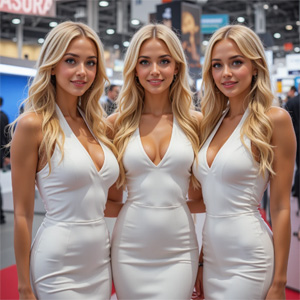
In the vast and demanding landscape of Russian agriculture, where harsh winters make controlled-environment growing not just an advantage but a necessity, the greenhouse industry represents a frontier of technological innovation and agricultural independence. Events like the “Protected Ground of Russia” exhibition and MosGarden serve as critical platforms where international technology suppliers, seedling producers, and climate control specialists connect with the country’s rapidly modernizing agricultural sector.
At the heart of these specialized events stands a professional often overlooked but absolutely essential to success: the exhibition booth assistant. In an industry where a misunderstanding about climate control specifications or nutrient delivery systems can affect an entire growing season, these professionals are far more than just welcoming faces—they are strategic assets for any exhibitor.
The Core Functions: More Than a Pretty Smile
The role of a booth assistant at a horticulture expo is uniquely hands-on and requires a rare blend of product knowledge, passion, and practical skill. Their responsibilities extend far beyond simply greeting visitors.
1. Technical Educators and Advisors
Unlike many other industries, the products in the greenhouse sector often have immediate, tangible qualities. Staff must be able to speak knowledgably about plant varieties, soil compositions, irrigation systems, and greenhouse technologies. They answer detailed questions about hardiness zones, which are highly relevant for Russia’s climate, blooming seasons, care instructions, and technical specifications. They transform a simple product demonstration into a valuable consultation for visiting agronomists and engineers.
2. The Living Display Managers
Horticulture exhibitions are unique in that the product is often alive. Booth assistants are responsible for maintaining plant health throughout the exhibition—watering, pruning, and managing light exposure. They present products attractively, arranging plants and seedlings for maximum visual impact, and handle plant protection to prevent pest or disease issues from affecting the display. As one industry source notes, staff must be willing to get their hands dirty, literally—they should be comfortable handling plants, soil, and equipment while maintaining professional presentation.
3. Lead Generators and Commercial Filters
The exhibition floor is filled with a diverse audience, from amateur gardening enthusiasts to procurement managers for major agricultural holdings and greenhouse complexes. Professional staff are trained to quickly identify serious commercial buyers by asking targeted questions: “What scale of greenhouse operation do you manage?” or “Are you currently looking to upgrade your climate control systems?”. This ensures that technical sales teams focus their time on high-potential leads, not just hobbyists.
The Hybrid Ambassador: A Unique Role
The unique nature of greenhouse exhibitions demands a unique type of ambassador. The most effective professionals are a hybrid of three key roles:
- The Enthusiastic Grower: Authenticity is essential. An ambassador who can genuinely share their own growing experiences—whether with greenhouse tomatoes or ornamental flowers—creates an immediate, relatable bond with attendees. This shared passion is the foundation of trust.
- The Product Expert: Visitors have specific, technical questions about growing conditions, system compatibility, and performance metrics. Ambassadors are trained to answer these questions knowledgeably or know exactly which technical staff to bring into the conversation.
- The Brand Storyteller: They embody the brand’s ethos. For a company selling organic greenhouse solutions, the ambassador reflects a natural, earthy professionalism. For a high-tech climate control brand, they convey precision and innovation. They breathe life into the brand’s story, making it tangible for the audience.
The Moscow Distinction: Navigating a Unique Market
The Russian greenhouse industry is highly specialized. In recent years, the area of greenhouses using “light culture” technology has grown to more than 2,142 hectares, or two-thirds of all industrial winter greenhouses. At the end of 2024, a record harvest of fresh vegetables in industrial greenhouses was harvested—more than 1.66 million tons. This growth is driven by a strong push for food security and the modernization of the agricultural sector.
For international exhibitors—whether from Turkey, China, or the Netherlands—the role of a Russian booth assistant is critical for bridging cultural and linguistic gaps. Fluent in Russian and often in English, these professionals can effectively communicate complex technical information to local growers and procurement specialists. Russian business communication is often direct and detail-oriented, and a local assistant understands these nuances, building the trust necessary for successful business interactions.
In an industry where innovation and presentation are key, the booth assistant plays a crucial role in ensuring that exhibitors stand out from the competition, creating the human connection that is often the catalyst for moving a client from a passing glance to a significant purchase order.