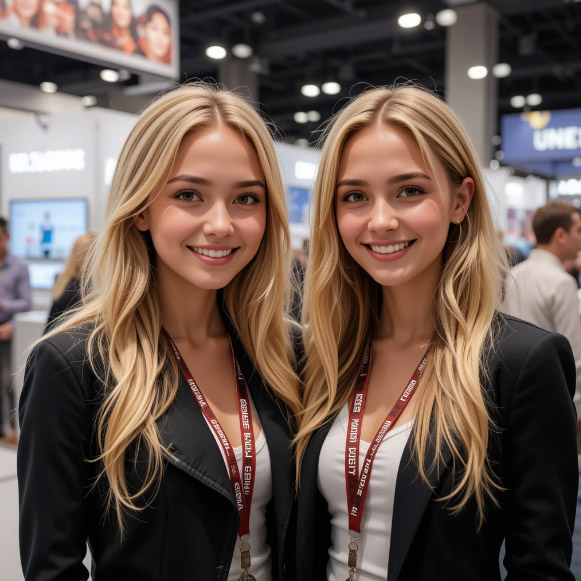
1 Introduction: The Face of Moscow’s Agribusiness Excellence
The dynamic world of agricultural exhibitions in Moscow represents a critical junction where industry professionals converge to showcase innovations, forge partnerships, and shape the future of livestock and poultry production. At the heart of these sophisticated events—including prominent exhibitions like AGROS EXPO and Meat & Poultry Industry Russia—stands a often underestimated professional: the event hostess. These individuals serve as the human interface between exhibiting companies and thousands of international visitors, embodying the professional excellence and technical sophistication of the brands they represent. In Russia’s rapidly modernizing agricultural sector, where traditional farming meets cutting-edge technology, the role of the event hostess has evolved into a multifaceted profession requiring industry knowledge, cultural sensitivity, and exceptional communication skills. This article explores the critical functions, qualifications, and career opportunities for hostesses at Moscow’s premier livestock and poultry exhibitions, providing insights for companies and professionals alike seeking to excel in this vibrant market.
2 The Exhibition Landscape: Moscow’s Agribusiness Stage
Moscow has established itself as a crucial hub for agricultural exhibitions in Eastern Europe and Eurasia, with several major events drawing international participants. The AGROS EXPO at IEC Crocus Expo stands as Russia’s leading trade fair for livestock and poultry breeding, animal feed, veterinary products, and agricultural technology. This event typically features 500+ exhibitors from numerous countries and attracts over 23,000 professionals from across Russia and 43 foreign countries. Similarly, the Meat & Poultry Industry Russia exhibition at Timiryazev Center focuses on innovative technologies across the entire meat production value chain. These events create a comprehensive platform where industry leaders demonstrate equipment, genetics, feed solutions, and veterinary products while networking with agricultural professionals from diverse backgrounds.
The scale of these exhibitions is impressive—AGROS 2025 reported 806 exhibitors from 27 countries and 23,266 visitors from 64 Russian regions, representing a 24% increase in attendance from the previous event. Meanwhile, the Meat & Poultry Industry Russia exhibition anticipates approximately 200 exhibitors and 10,000 visitors in its 2025 edition. These statistics underscore the significance of these events and the substantial opportunities they present for businesses operating in the agricultural sector. Within this context, event hostesses play an indispensable role in ensuring that exhibitors maximize their return on investment while visitors receive guidance and information efficiently.
3 Key Qualities of Exceptional Exhibition Hostesses
3.1 Professional Appearance and Demeanor
Event hostesses at agricultural exhibitions typically maintain a polished professional appearance that aligns with the branding of the companies they represent. Beyond physical presentation, this encompasses posture, facial expressions, and body language that convey approachability and competence. The best hostesses project confidence without arrogance, creating an inviting atmosphere that encourages engagement from visitors who might otherwise hesitate to approach exhibition stands.
3.2 Communication Excellence
Multilingual capabilities represent a significant advantage for hostesses working at international exhibitions like AGROS EXPO, where approximately 35% of exhibiting companies are international. While Russian remains essential, proficiency in English, German, Chinese, and languages from CIS countries can dramatically enhance a hostess’s effectiveness. Beyond linguistic skills, exceptional active listening abilities allow hostesses to accurately identify visitor needs and direct them to appropriate solutions or personnel.
3.3 Industry Awareness
While not expected to be technical experts, successful hostesses possess fundamental understanding of livestock and poultry industry concepts, enabling them to make appropriate connections between visitor inquiries and exhibition offerings. Familiarity with basic terminology related to animal genetics, feed formulations, veterinary products, and agricultural equipment allows hostesses to facilitate more meaningful initial conversations than those without such knowledge.
4 Core Responsibilities: Beyond Welcome Smiles
4.1 Pre-Event Preparation
Long before the exhibition doors open, professional hostesses engage in comprehensive preparation. This includes studying exhibition maps, understanding the layout of their assigned stand, reviewing product catalogs, and familiarizing themselves with key personnel they’ll be supporting. For specialized exhibitions like AGROS, which features dedicated sections for feed solutions, veterinary products, and machinery, hostesses often receive technical briefings on the products being showcased to answer basic questions and identify qualified leads.
Table: Typical Pre-Event Preparation Checklist for Exhibition Hostesses
| Preparation Area | Specific Activities | Importance Level |
|---|---|---|
| Product Knowledge | Review product specs, benefits, applications | Critical |
| Personnel Familiarization | Learn names/roles of company experts | High |
| Exhibition Layout | Memorize booth location, key areas, facilities | Medium |
| Schedule Awareness | Understand event timeline, special demonstrations | High |
| Cultural Preparation | Research common cultural norms of expected visitors | Medium |
4.2 During Event Responsibilities
During exhibition hours, hostesses perform a multifaceted role that blends hospitality, coordination, and lead qualification. Their duties typically include:
- Visitor Greeting and Direction: Welcoming attendees, providing initial orientation, and directing them to appropriate areas based on interests
- Brand Representation: Embodying the exhibiting company’s values and professionalism through every interaction
- Literature Distribution: Managing the distribution of brochures, samples, and promotional materials in an organized manner
- Demonstration Coordination: Assisting with the scheduling and presentation of live equipment demonstrations or product presentations
- Hospitality Management: Oversee refreshment areas and ensure guests feel comfortable throughout their visit
- Crowd Management: Maintaining orderly visitor flow during peak periods and special events
At specialized agricultural exhibitions, hostesses often screen visitors to identify high-value prospects such as farm owners, production managers, and procurement specialists, who are then introduced to technical sales staff. This qualification process is particularly important at events like AGROS, where 60% of visitors hold top or middle management positions and 83% influence purchasing decisions.
4.3 Post-Event Activities
Following the exhibition, professional hostesses often contribute to post-event reporting by documenting visitor statistics, recording common questions received, and providing observations about visitor interests and behaviors. These insights help exhibiting companies refine their future marketing strategies and exhibition participation approaches.
5 Industry-Specific Knowledge Requirements
The specialized nature of livestock and poultry exhibitions demands that hostesses possess at least foundational knowledge of agricultural concepts and terminology. For the AGROS EXPO, which covers everything from forage harvesting equipment to animal genetics and veterinary products, hostesses benefit from understanding:
- Basic animal husbandry concepts and production cycles
- Major equipment categories displayed at agricultural exhibitions (milking systems, feed mixers, ventilation systems, etc.)
- Key industry challenges driving visitor interests, such as animal health concerns, efficiency optimization, or sustainable practices
- Regulatory environment affecting agricultural operations in Russia and neighboring countries
This knowledge enables hostesses to conduct more meaningful initial conversations with visitors, accurately assess their interests, and connect them with appropriate technical staff. While hostesses aren’t expected to provide detailed technical specifications, their ability to recognize terms like “premix formulations,” “pedigree material,” or “automatic milking systems” significantly enhances the quality of visitor experience.
The business diversity at these events further compounds the knowledge requirements—AGROS 2025 visitors represented dairy production (47%), forage production (24%), beef production (19%), feed mill industry (19%), poultry production (18%), and numerous other sectors. A skilled hostess develops awareness of these various segments and their distinctive interests.
6 Training and Preparation: Building Exhibition Excellence
6.1 Product Knowledge Acquisition
Professional hostesses typically undergo structured training programs before major exhibitions. For events like AGROS EXPO, where exhibiting companies showcase sophisticated equipment and solutions, this training might include:
- Technical briefings by product managers and engineers
- Hands-on familiarization with key products and their operation
- Competitive positioning information to understand unique selling propositions
- FAQ preparation covering expected visitor questions
6.2 Cultural and Linguistic Preparation
Given the international character of Moscow’s agricultural exhibitions—AGROS 2025 featured companies from 24 countries —hostesses often receive cultural sensitivity training. This includes understanding business customs, communication preferences, and cultural nuances of visitors from different regions, particularly those from CIS countries, Europe, and Asia who regularly attend these events.
6.3 Professional Demeanor and Crisis Management
Training programs typically address professional conduct in challenging situations, including how to handle dissatisfied visitors, manage overcrowding, or respond to medical emergencies. Hostesses learn to maintain composure under pressure while representing their employers professionally throughout the exhibition.
7 Career Opportunities and Professional Development
Working as a hostess at major agricultural exhibitions provides valuable exposure to industry leaders and potential employers. Many hostesses leverage these positions to advance into more permanent roles such as:
- Marketing and communications specialists within agricultural companies
- Sales coordinators for equipment manufacturers or input suppliers
- Event management professionals specializing in agricultural exhibitions
- Customer relationship positions in agribusiness firms
The networking opportunities at events like AGROS EXPO are significant—with thousands of industry professionals attending, hostesses who demonstrate exceptional competence often receive job offers or professional contacts that lead to future career opportunities.
Additionally, the specialized knowledge gained through repeated participation in agricultural exhibitions creates a foundation for long-term career development within the agribusiness sector. Hostesses who dedicate time to understanding the technical aspects of the industry often find themselves well-positioned for roles that bridge between technical and commercial functions.
8 Challenges and Rewards of Exhibition Hostessing
8.1 Common Challenges
The role of an exhibition hostess presents several unique challenges, including:
- Physical demands of standing for extended periods while maintaining energy and enthusiasm
- Mental fatigue from repeatedly answering similar questions while making each visitor feel uniquely important
- Technical complexity of understanding sophisticated agricultural equipment and solutions
- Cultural navigation of interacting with visitors from diverse backgrounds and expectations
8.2 Professional Rewards
Despite these challenges, the position offers significant rewards:
- Networking opportunities with industry leaders and potential employers
- Skill development in communication, presentation, and customer engagement
- Industry exposure to the latest technologies and innovations in livestock and poultry production
- Financial compensation, which typically exceeds standard hospitality roles due to the specialized nature of the events
9 Conclusion: The Integral Role of Hostesses in Exhibition Success
Event hostesses represent far more than decorative elements at Moscow’s livestock and poultry exhibitions—they function as critical connectors between exhibiting companies and their potential clients, embodying brand values while facilitating meaningful business interactions. As Russia’s agricultural sector continues to evolve and modernize, with exhibitions like AGROS EXPO showcasing an increasingly sophisticated array of technologies and solutions, the role of the professional hostess will similarly advance in importance and complexity.
For companies exhibiting at Moscow’s agricultural events, investing in well-trained, knowledgeable hostesses delivers tangible returns through improved lead qualification, enhanced brand perception, and more productive engagement with visitors. For professionals considering hostess opportunities, these positions offer unique pathways into the agribusiness sector, providing industry exposure, professional contacts, and valuable experience that can launch lasting careers.
As the agricultural industry faces growing challenges related to productivity, sustainability, and food security, the exhibitions where innovations are showcased—and the hostesses who help facilitate these conversations—will continue to play a vital role in shaping the future of livestock and poultry production across Russia and Eurasia. Their welcoming smiles and professional competence create the human connections that ultimately drive business relationships and technological adoption throughout this essential industry.