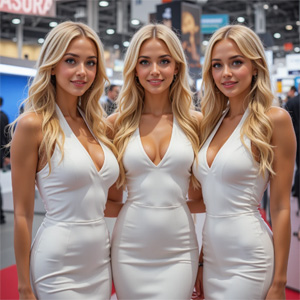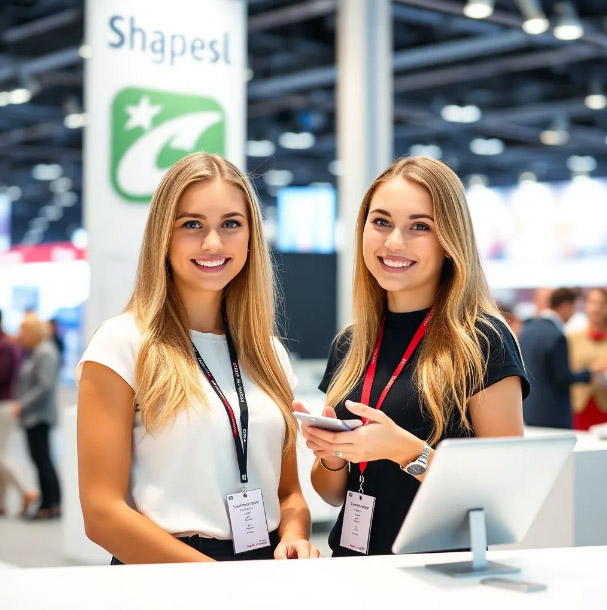
1 Introduction: The Face of Russia’s Premier Outdoor Exhibition
The Hunting and Fishing in Russia fair, held twice annually at Moscow’s VDNH All-Russian Exhibition Center, represents one of the most significant events in the outdoor sports industry calendar. Scheduled for September, this international exhibition attracts approximately 55,000 visitors and 700+ exhibitors from around the world, showcasing everything from fishing tackle and hunting weapons to outdoor clothing and adventure tourism services. In such a competitive environment, where businesses vie for the attention of trade professionals and enthusiasts alike, the role of professionally trained event hostesses becomes not merely decorative but strategically essential to exhibition success.
Event hostesses serve as the human embodiment of a brand’s values and messaging, creating crucial first impressions that can determine whether a visitor engages with a booth or continues walking. At a specialized event like the Hunting and Fishing fair, where products often require demonstration and technical explanation, hostesses transform from smiling greeters to knowledgeable brand ambassadors who can articulate product benefits, answer basic technical questions, and identify high-quality leads for sales teams to prioritize. This article explores the multifaceted roles hostesses play at Moscow’s premier outdoor sports exhibition, providing exhibitors with a comprehensive guide to leveraging their potential for maximum impact and return on investment.
2 The Multifaceted Role of Event Hostesses at Hunting & Fishing Fairs
2.1 Beyond Greeting: Strategic Functions
At the Moscow Hunting & Fishing fair, event hostesses perform a diverse range of responsibilities that extend far beyond simple greeting duties. These professionals are trained to serve as integral components of a company’s exhibition strategy, performing functions that directly contribute to lead generation, brand awareness, and overall booth effectiveness. According to industry experts, well-trained hostesses can increase engagement by up to 40% and significantly enhance lead generation efforts by ensuring that no visitor leaves without providing contact information.
The primary roles of hostesses at specialized trade fairs like Hunting and Fishing in Russia include:
- Technical Product Representation: Unlike generic hostesses, those working at outdoor sports exhibitions must possess or quickly acquire knowledge about specialized equipment such as fishing gear, hunting optics, outdoor clothing technical specifications, and vehicle features for hunting and fishing expeditions. This enables them to answer basic questions and determine a visitor’s level of interest and expertise before introducing them to specialized staff.
- Multilingual Communication: With the event attracting international exhibitors and visitors from at least 18 countries, hostesses fluent in English, German, Chinese, and other languages provide an invaluable bridge between Russian companies and global partners. This multilingual capability facilitates smoother communication and demonstrates a brand’s international orientation.
- Demonstration Assistance: Hostesses often assist with product demonstrations, handling equipment while sales staff explain features, or managing the flow of visitors during popular demonstrations to ensure safety and optimal viewing conditions for all attendees.
- Cultural Ambassadorship: Russian hostesses particularly understand local business customs and etiquette, helping international exhibitors navigate cultural nuances and create stronger connections with Russian distributors and retailers.
2.2 The Psychology of First Impressions
The initial seven seconds of interaction between a visitor and an exhibition booth often determine whether meaningful engagement will occur. Professional hostesses are trained to leverage principles of psychology and nonverbal communication to create positive first impressions that draw visitors into the booth space. Their approachability, confident posture, and genuine smile signal welcome and hospitality, lowering barriers that might otherwise prevent time-pressed visitors from entering.
Research conducted by event staffing agencies indicates that booths staffed with professional hostesses experience 30-50% higher foot traffic than those without, demonstrating the significant impact of trained hospitality professionals on visitor attraction and retention. Furthermore, hostesses skilled in reading body language can identify warm leads based on visitor behavior and engagement levels, allowing for more efficient prioritization of sales team efforts.
3 Why Specialized Hostesses Matter for Hunting & Fishing Events
3.1 Industry Knowledge Makes the Difference
The specialized nature of hunting and fishing equipment demands that hostesses possess more than general product knowledge. Exhibitors at the Moscow fair report that hostesses familiar with outdoor sports and activities demonstrate significantly better performance in identifying serious buyers and engaging in meaningful conversations about products. This specialized knowledge includes understanding different fishing techniques, hunting regulations, technical specifications of equipment, and the unique selling propositions of various outdoor brands.
The most effective hostesses for hunting and fishing exhibitions often have:
- Personal interest in outdoor activities like fishing, hunting, or camping
- Basic technical knowledge about equipment functionality and applications
- Familiarity with industry terminology in both Russian and relevant foreign languages
- Understanding of the target demographic’s preferences and pain points
- Ability to identify quality leads based on questions and engagement level
Unlike consumer electronics or gift fairs where product benefits are immediately apparent, hunting and fishing equipment often requires explanation of subtle features and technical advantages that might not be visually obvious. A hostess who can articulate why a particular fishing reel mechanism provides smoother retrieval or how specialized camouflage patterns enhance hunting effectiveness adds substantial value to the exhibition experience.
3.2 Physical Demands and Presentation Requirements
The physical requirements for hostesses at outdoor exhibitions differ significantly from those at corporate events or luxury product launches. At the Hunting and Fishing fair, hostesses may need to stand for extended periods (the event runs 8-10 hours daily), demonstrate equipment functionality, and sometimes handle heavy or bulky items as part of their duties. Furthermore, the appropriate attire for such events often aligns with outdoor themes, sometimes requiring hostesses to wear branded outdoor clothing or even demonstrate technical apparel in realistic scenarios.
Many exhibitors provide hostesses with specialized training on their products before the event, including hands-on experience with equipment whenever possible. This investment pays dividends through more authentic customer interactions and increased ability to identify genuinely interested visitors based on the specificity of their questions and engagement with products.
Table: Key Differences Between Generic Hostesses and Specialized Outdoor Event Hostesses
| Aspect | Generic Event Hostess | Specialized Hunting/Fishing Hostess |
|---|---|---|
| Required Knowledge | General product information | Technical specifications and applications |
| Physical Stamina | Standard endurance for standing | Enhanced stamina for demonstration activities |
| Attire | Formal or branded clothing | Technical outdoor apparel or equipment-appropriate wear |
| Language Skills | Basic English possibly sufficient | Technical terminology in multiple languages |
| Lead Qualification | Basic information collection | Technical need assessment and expert referral |
4 Sourcing Qualified Hostesses in Moscow: Agencies and Selection Criteria
4.1 Recommended Staffing Agencies
Moscow offers several high-quality staffing agencies that provide experienced hostesses for specialized events like the Hunting and Fishing fair. These agencies maintain pools of pre-screened talent with varying specializations and language capabilities, allowing exhibitors to select hostesses whose skills and experience best match their specific needs. Based on industry recommendations and client reviews, several agencies stand out for their reliability and quality of staff.
When selecting a staffing agency, exhibitors should inquire about the agency’s screening processes, training programs, and replacement policies in case of unsatisfactory performance. Reputable agencies typically conduct in-person interviews, verify language skills, provide basic event training, and maintain backup staff available on short notice.
4.2 Key Selection Criteria
Choosing the right hostesses for a hunting and fishing exhibition requires attention to specific criteria beyond general presentation and communication skills. Exhibitors should prioritize:
- Industry Knowledge: Preference for candidates with personal interest or professional background in hunting, fishing, or outdoor activities
- Language Skills: Verification of technical vocabulary in relevant languages beyond conversational fluency
- Physical Stamina: Assessment of ability to stand for extended periods and occasionally handle demonstration equipment
- Professional Demeanor: Evaluation of appropriate behavior for both engaging recreational enthusiasts and discussing business with trade professionals
- Adaptability: Capacity to handle the diverse demands of both consumer and trade audiences present at the event
Exhibitors should conduct in-person interviews whenever possible, preferably with product samples present to assess natural affinity and quick learning capabilities. When sourcing from abroad, video interviews with practical tests of product explanation skills can help identify the most suitable candidates.
5 Maximizing Impact: Strategic Deployment of Hostesses at Your Booth
5.1 Pre-Event Preparation and Training
Thorough preparation before the Hunting and Fishing fair dramatically enhances hostess effectiveness at the event. Industry leaders recommend allocating at least 8-16 hours of specialized training for hostesses before the exhibition, covering product knowledge, brand messaging, lead qualification criteria, and handling common customer objections or questions. This training should include:
- Hands-on product experience allowing hostesses to personally handle and operate equipment they will be presenting
- Detailed technical information about key products and their competitive advantages
- Role-playing exercises for handling different types of visitors from serious trade buyers to curious hobbyists
- Clear guidelines on lead qualification and when to escalate to specialized sales staff
- Comprehensive briefing on booth logistics, demonstration schedules, and safety procedures
Many successful exhibitors create compact reference materials for hostesses, including technical specifications, pricing information, and frequently asked questions translated into all relevant languages. These materials serve as quick guides during less busy moments and ensure consistency of information across all hostesses and booth staff.
5.2 Booth Positioning and Rotation Schedules
Strategic positioning of hostesses within the booth space significantly impacts their ability to attract and engage visitors. Rather than clustering all hostesses at the entrance, leading exhibitors deploy them at key interaction points:
- Booth perimeter: To greet approaching visitors and initiate engagement
- Demonstration areas: To manage crowds and assist with product presentations
- Technical equipment zones: To answer basic questions and identify specialist needs
- Hospitality areas: To create a welcoming atmosphere for serious negotiations
Implementing structured rotation schedules prevents hostess fatigue and maintains consistent energy levels throughout long exhibition days. Typical rotations involve 45-60 minutes of active greeting duties followed by 15-20 minutes of supportive tasks within the booth, allowing for recovery while remaining productive.
Experienced exhibitors often employ a tiered staffing approach, with hostesses handling initial engagement and qualification, product specialists providing detailed information, and senior sales staff focusing on high-value negotiations. This system maximizes efficiency by ensuring that each staff member operates at their highest level of effectiveness throughout the event.
Table: Sample Hostess Rotation Schedule for Hunting & Fishing Fair
| Time Segment | Primary Position | Key Responsibilities | Backup Support |
|---|---|---|---|
| 10:00-11:00 | Booth Entrance | Guest greeting, initial qualification, direction | Material distribution |
| 11:00-12:00 | Demonstration Area | Crowd management, demonstration assistance | Lead collection |
| 12:00-13:00 | Product Zone A | Technical questions, specialist referral | Hospitality support |
| 13:00-14:00 | Break | Rest and recovery | – |
| 14:00-15:00 | Booth Perimeter | Visitor engagement, attraction | Competitive intelligence |
| 15:00-16:00 | Product Zone B | Technical questions, specialist referral | Demonstration setup |
| 16:00-17:00 | Hospitality Area | Client comfort, meeting coordination | Refreshment service |
5.3 Lead Generation and Qualification Techniques
Professional hostesses contribute significantly to lead generation efforts by employing systematic approaches to visitor engagement and information collection. Effective techniques observed at hunting and fishing exhibitions include:
- Open-ended questioning to determine visitor interests and expertise level
- Product-specific engagement based on observed visitor behavior and attention
- Business card collection with value-added incentives (entering draws, providing technical literature)
- Digital lead capture using tablets with customized forms for immediate data entry
- Visual identification system for marking qualified leads for sales team attention
The most successful exhibitors establish clear qualification criteria for hostesses, specifying which types of visitors warrant immediate sales team attention versus those who should receive marketing materials and follow-up after the event. This prioritization ensures that limited sales resources focus on the most promising opportunities during the compressed timeline of the exhibition.
6 Beyond the Booth: Additional Roles for Hostesses at Hunting & Fishing Fairs
6.1 Supporting Event Operations
The utility of professional hostesses extends beyond individual exhibition booths to broader event support functions throughout the Hunting and Fishing fair. Event organizers frequently employ hostesses for:
- Information point staffing throughout the VDNH exhibition center
- Registration management at event entrances
- Seminar and workshop coordination including audience management and microphone handling
- VIP guest assistance for important visitors requiring personalized attention
- Media relations support for press conferences and journalist interactions
These roles require hostesses with particularly strong problem-solving abilities and comprehensive knowledge of the event layout and schedule. Organizers typically provide specialized training to these hostesses, ensuring consistent information delivery across all touchpoints throughout the venue.
6.2 Social Media and Content Creation
In an increasingly digital world, hostesses at the Hunting and Fishing fair often serve as content creators for social media channels, providing real-time updates from the exhibition floor. Tech-savvy hostesses can:
- Capture visitor testimonials and product reactions for immediate posting
- Conduct live interviews with product specialists or visiting celebrities
- Create behind-the-scenes content showing exhibition setup and preparation
- Generate daily summary videos highlighting key events and product launches
- Manage geofiltered social media campaigns targeting event attendees
Exhibitors report significantly increased social media engagement when hostesses are empowered to create authentic content during events, particularly when they can demonstrate products in use or capture spontaneous reactions from visitors.
7 Conclusion: Key Recommendations for Exhibitors
The strategic deployment of professional hostesses at the Hunting and Fishing in Russia fair can substantially enhance exhibition outcomes through increased visitor engagement, improved lead generation, and stronger brand representation. Based on industry best practices and specific characteristics of this event, exhibitors should consider the following recommendations:
- Start early: Begin hostess selection and training processes at least 4-6 weeks before the event to ensure adequate preparation time
- Prioritize specialization: Favor hostesses with outdoor industry knowledge or personal interest over general event experience
- Invest in training: Dedicate sufficient resources to comprehensive product education and role-playing scenarios specific to hunting and fishing products
- Implement structured systems: Develop clear processes for visitor engagement, lead qualification, and handoff to sales specialists
- Plan for continuity: Include hostesses in post-event follow-up processes when their personal interaction with visitors might strengthen relationships
International Trade Fair Hunting and Fishing in Russia presents exceptional opportunities for businesses operating in the outdoor sports market. By leveraging professionally trained hostesses as strategic assets rather than decorative additions, exhibitors can maximize their return on investment and establish lasting connections with the lucrative Russian outdoor market.
With the September event approaching, forward-thinking exhibitors are already beginning their hostess selection and training processes. Those who recognize the strategic value of specialized event staff will be best positioned to capitalize on the substantial business opportunities presented by Russia’s premier hunting and fishing exhibition.