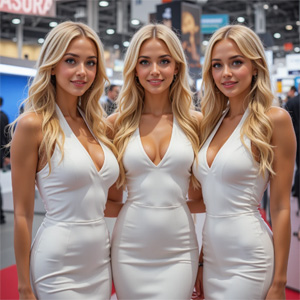
The atmosphere is electric at Crocus Expo. The latest innovations in shelving systems, lighting, cash registers, and visual merchandising are on full display. For exhibitors at the Retail & Shop Fitting Equipment & Service fair in Moscow, the goal is clear: stand out in a crowded marketplace and convince serious retailers that your solution will elevate their store, boost their sales, and streamline their operations.
In this high-stakes, B2B environment, every element of your booth is a strategic tool. This includes your human element. While the term “promotional model” might conjure outdated images, the modern, strategic use of professional brand ambassadors is a powerful tactic for success in Moscow. The key is moving beyond mere decoration to deployment as a force multiplier for engagement and lead generation.
Why “Warm Bodies” Aren’t Enough in Retail B2B
The attendees at this fair are professionals—retail chain owners, franchise operators, procurement managers, and interior architects. They are investing significant capital into their businesses and are evaluating partners, not just products. They have technical questions about load capacity, integration APIs, durability, and ROI.
A staff member chosen solely for their appearance, without product knowledge or professional training, becomes a liability. They cannot answer deep questions, qualify serious buyers, or represent the sophisticated brand image a equipment manufacturer or service provider needs to project.
The Modern Promotional Model: A Brand Specialist in Disguise
The most successful exhibitors reframe the role. They hire and train Professional Brand Ambassadors or Product Demonstrators. Their value is not in their look, but in their ability to execute a strategic plan.
Their evolved responsibilities include:
- Traffic Stopping with Purpose: In a vast hall, you need to attract attention. A well-dressed, professional ambassador can politely engage passersby with a relevant opening question: “Are you looking to optimize your checkout queue?” or “Interested in the latest energy-efficient lighting solutions?” This shifts the interaction from a passive handout to an active qualification.
- Live Demonstration and Storytelling: Equipment needs to be seen in action. An ambassador can run a smooth demo of a POS system, showcase the ease of assembling modular shelving, or use a tablet to control smart lighting scenes. They aren’t just showing features; they are telling a story of efficiency, customer experience, and increased sales.
- Expert Handoff and Lead Qualification: The primary role of a modern brand ambassador is to identify and qualify visitors. They are trained to ask key questions to gauge interest, budget, and timeline. They then seamlessly hand off the hot lead to your in-house technical sales engineer for the deep dive. This maximizes your sales team’s time and ensures no opportunity is missed.
- Cultural and Linguistic Bridge: For international exhibitors, this is paramount. Hiring bilingual (Russian/English) ambassadors is a critical investment. They ensure there is no miscommunication about technical specifications or commercial terms. They also understand the nuances of Russian business etiquette, helping to build the crucial trust (doverie) needed to close deals.
Implementing a Winning Strategy for Moscow
To leverage this human resource effectively, exhibitors must:
- Define Clear Objectives: Are you launching a new product? Generating leads? Driving app downloads? Your goals dictate the ambassadors’ training and script.
- Invest in Rigorous Training: Ambassadors must undergo deep product training, role-playing exercises for handling objections, and clear instruction on qualifying questions and lead capture procedures.
- Professional Appearance Aligned with Brand: Attire should be professional, on-brand, and appropriate for a B2B environment—think sophisticated branded attire, not casual clothing. They are a visual extension of your company’s quality and professionalism.
- Debrief Daily: Include your ambassadors in daily post-show meetings. Their front-line interactions provide invaluable feedback on visitor questions, competitor activity, and overall booth performance.
Conclusion: Investing in Professional Engagement
At the Retail & Shop Fitting fair in Moscow, your competitors are investing in steel, glass, and digital displays. To truly gain an edge, invest in human intelligence and professional engagement.
The modern promotional model is a strategic asset: a skilled communicator, a product expert, and the first critical touchpoint in the customer journey. By moving beyond an outdated model and embracing a strategy of professional ambassadorship, you do more than just fill a booth—you create a dynamic, efficient, and incredibly effective front line that drives qualified leads and delivers a tangible return on your exhibition investment.