BIOT (Bezopasnost i Okhrana Truda – Safety and Labour Protection) is the largest and most significant international specialised exhibition and forum for occupational safety and industrial protection in Russia and the CIS countries. Held annually in Moscow, this event brings together manufacturers, suppliers, government representatives, and industry experts from around the world to address the most pressing issues in workplace safety. For international companies and professionals participating in BIOT, skilled Russian assistants can be invaluable in ensuring smooth operations and successful engagement with the Russian market.
The Scale of International Participation
BIOT has firmly established itself as the largest occupational safety event in Russia and the CIS. In 2025, the exhibition welcomed over 31,500 professional visitors and more than 420 exhibiting companies from 13 countries, with visitors representing 89 regions of Russia. The event occupies 16,000 square metres of exhibition space and features more than 100 business programme events with over 200 speakers.
This international presence creates a significant demand for professional support services. While Russian remains the dominant language of business at BIOT, many international exhibitors and speakers may not be fluent in Russian, and many Russian professionals—particularly those from regional enterprises and smaller organisations—may not be comfortable conducting detailed technical discussions in English or other foreign languages.
What Russian Assistants Do at BIOT
Russian assistants at BIOT can handle a wide range of responsibilities, allowing international exhibitors to focus on their core business objectives:
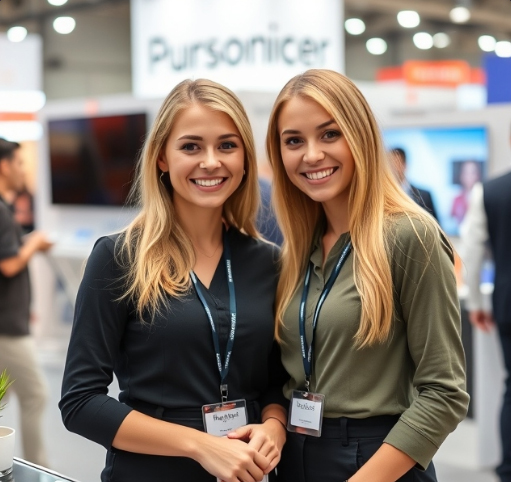
Visitor reception and registration. Assistants welcome guests, collect contact details, scan badges, and manage visitor flow so that sales and technical staff can focus on qualified leads. A well-organised reception area creates a professional first impression and ensures that no potential customer is overlooked.
Initial qualification. An experienced assistant can ask preliminary questions to determine whether a visitor is a serious prospect—a farm director, an agronomist, a procurement manager—or simply browsing. This saves valuable time for the technical and sales team.
Bilingual communication. Many Russian assistants working at international exhibitions speak English alongside their native Russian. This allows them to welcome foreign visitors, explain the basics of the company’s offering, and hand off to interpreters or sales staff when deeper technical discussion is required.
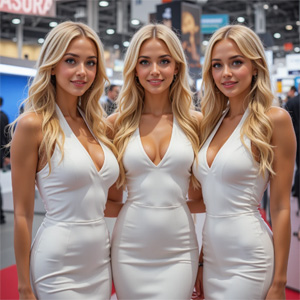
Brand representation. Assistants distribute brochures, promotional materials, and branded merchandise. They guide visitors to product displays, demonstration areas, or meeting rooms. In many cases, they are the first and most memorable point of contact with a company.
Logistical support. Assistants often help with scheduling meetings, managing the meeting room, keeping the stand tidy, and coordinating with event organizers. They can also assist with practical matters such as finding local services, arranging transport, and navigating the exhibition venue.
Documentation and follow-up. Assistants can help collect business cards, organise leads, and prepare follow-up materials after the event. This administrative support ensures that valuable contacts are not lost in the rush of the exhibition.
Why Local Russian Assistants Make Sense
For foreign exhibitors, hiring local Russian assistants offers distinct advantages over bringing staff from abroad. Russian assistants understand the local business culture, speak the language natively, and can navigate the social nuances that shape interactions with Russian professionals. They know how to address visitors formally, when to use first names, and how to make guests feel respected—details that matter greatly in Russian business etiquette.
Local assistants are also more cost-effective. Travel, accommodation, and visa costs for foreign staff are avoided, and Russian assistants are readily available in Moscow. Agencies specializing in exhibition staff can provide experienced assistants who have worked at BIOT and similar events before.
The Regulatory Context: Why Expertise Matters
BIOT covers a highly specialised range of topics that require subject-matter familiarity. The exhibition features extensive discussion of Russian labour legislation, including special assessment of working conditions (SOUT), occupational risk assessment, and compliance with Ministry of Labour orders such as Order No. 767n on PPE selection.
Personal protective equipment encompasses a vast range of products—from respiratory protection and fall arrest systems to protective clothing and automated dispensing equipment. Assistants who understand the technical specifications and performance standards that apply to these products can represent the company more credibly than those who do not.
BIOT also attracts specialists from oil and gas, metallurgy, mechanical engineering, chemical industry, energy, construction, transport, and many other sectors. Each industry has its own safety terminology and regulatory framework, and assistants must be able to navigate these differences.
The 2026 programme features discussions on digital marking of PPE in the “Chestny Znak” system, electronic industrial safety declarations, and new technologies for workplace safety. Assistants who stay current with evolving terminology in these fast-moving areas will be better positioned to support their employers effectively.
What to Look For in a Russian Assistant for BIOT
Not every assistant is suited to an occupational safety exhibition. Key qualities to prioritize include:
Presentation and poise. Assistants represent the brand visually. Professional appearance, confident posture, and a friendly demeanor are essential.
Communication skills. Clear speech, active listening, and the ability to engage strangers comfortably are fundamental. English proficiency—and ideally a third language—expands the range of visitors an assistant can help.
Reliability and stamina. BIOT runs for four days, often with long hours. Assistants must maintain energy and professionalism throughout, including during setup and breakdown periods.
Industry awareness. An assistant who understands the difference between a safety harness and a respiratory mask will represent the company more credibly than one who does not.
Team fit. Assistants work closely with sales staff, interpreters, and technical experts. A cooperative attitude and adaptability are crucial.
Technical preparation. The best assistants will request product documentation, presentation materials, and background information well before the event. This preparation allows them to build accurate knowledge and familiarise themselves with company-specific terminology.
The Role of Assistants in Different Settings
Assistants at BIOT may find themselves in a variety of settings, each requiring a different approach:
Booth assistance. International exhibitors staffing their stands need assistants who can engage with a steady stream of Russian visitors, explain product features and certifications, and facilitate initial conversations with potential distributors or buyers. This requires stamina and the ability to switch quickly between technical explanations and general conversation.
Business negotiations. When international suppliers meet with Russian companies to discuss pricing, delivery terms, or partnership arrangements, assistants can help with logistics, documentation, and follow-up, allowing the interpreter and sales team to focus on the substantive discussion.
Conference and seminar support. BIOT features more than 100 business programme events, including plenary sessions, conferences, panel discussions, and technical seminars. Assistants can help with registration, materials distribution, and coordination during these events.
Technical demonstrations. Many exhibitors at BIOT demonstrate PPE products and safety equipment. Assistants can help manage the demonstration area, distribute materials, and ensure that visitors have a positive experience.
Networking and informal meetings. Much of the value of BIOT comes from informal interactions—coffee breaks, receptions, and corridor conversations. Assistants who can facilitate these spontaneous exchanges help build the relationships that lead to long-term business partnerships.
How to Hire Russian Assistants for BIOT
Several routes exist for securing assistants for the exhibition:
Specialised exhibition staffing agencies. Agencies in Moscow maintain databases of experienced assistants, often with profiles, photos, and language certifications. These agencies typically handle contracts, payments, briefings, and on-site coordination.
Universities in Moscow. Students in linguistics, business, or technical programs often seek exhibition work and can bring enthusiasm and up-to-date language skills.
Local recommendations. For companies already working with Russian partners or distributors, local recommendations often prove valuable. Russian enterprises frequently have established relationships with staff they trust, and these referrals can be a reliable starting point.
Exhibition organisers. BIOT organisers sometimes provide lists of recommended service providers, though it is worth confirming whether these are endorsed partners or simply advertised services.
Booking well in advance is strongly advised. Demand for qualified assistants spikes in the weeks before major exhibitions in Moscow, and the best candidates are booked early.
Assistants and Interpreters: A Complementary Pair
At BIOT, Russian assistants and Russian interpreters serve complementary roles. Assistants manage the front of the stand—greeting, qualifying, and directing visitors. Interpreters handle the substantive conversations—technical explanations, negotiations, and detailed product discussions. Together, they allow international exhibitors to operate smoothly in a Russian-language environment.
For companies exhibiting at BIOT for the first time, combining both services is often the most effective approach. Assistants create the welcoming environment; interpreters ensure that the conversations that follow are accurate and productive.
The Return on Investment
The cost of hiring professional Russian assistants is modest compared to the overall expense of exhibiting at BIOT. Yet the impact can be significant. A well-staffed stand attracts more visitors, generates more qualified leads, and projects a more professional image. In a competitive exhibition environment, where hundreds of companies are vying for the attention of the same Russian occupational safety buyers, the quality of the front-line team can determine whether a company stands out or fades into the background.
With the 2026 edition scheduled for November 17–20 at the Crocus Expo International Exhibition Centre in Moscow, international exhibitors should begin planning their staffing strategy well in advance. In a market as important and as culturally distinct as Russian occupational safety, the assistant at the front of the booth is not a decorative extra. They are a key member of the exhibition team and the first step toward a successful exhibition.