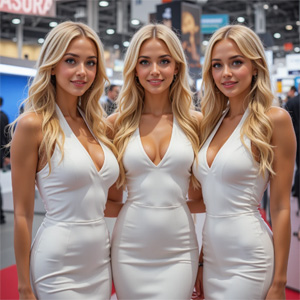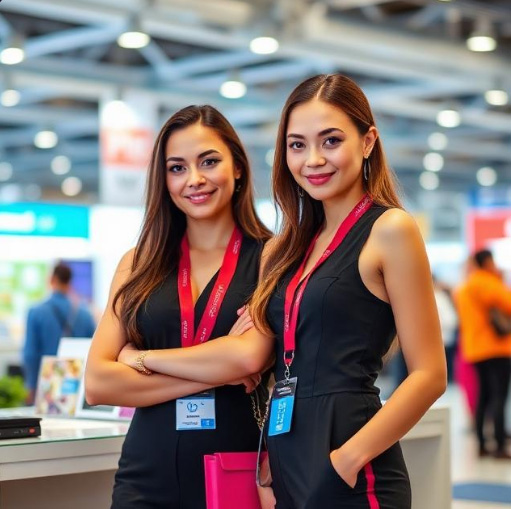
In the clinically pristine, softly lit halls of Moscow’s Crocus Expo International Exhibition Center, the air carries a unique blend—the subtle scent of high-end skincare formulations, the sterile precision of aesthetic medicine devices, and the quiet hum of serious B2B negotiation. This is not a consumer beauty fair. This is the world of Russia’s premier professional cosmetology and aesthetic medicine events—where buyers are not browsing for lipstick, but evaluating laser platforms, injection protocols, and clinical skincare lines for their medical practices.
At the heart of this landscape is InterCHARM, Eastern Europe’s largest and most prestigious beauty and cosmetics exhibition, spanning 60,000 square meters with over 1,600 exhibitors from 30 countries and attracting 96,000+ industry professionals. Alongside it, BEAUNITY, the International Exhibition for Specialists in Cosmetology and Aesthetic Medicine, brings together 150+ companies and 20,000+ professionals including cosmetologists, aestheticians, clinic managers, and distributors.
Amidst the discussions of active ingredient percentages, FDA/EAC certifications, and treatment protocols, one professional ensures that every visitor interaction yields the desired clinical outcome for your business: the Russian cosmetology exhibition assistant. In an industry where trust is the currency and clinical credibility is non-negotiable, these specialized professionals have become the indispensable human interface between international brands and the sophisticated Russian aesthetic medicine market.
The “Clinical-Grade” Professional: Beyond the Makeup Counter
Unlike consumer-focused beauty events, Moscow’s professional cosmetology and aesthetic medicine exhibitions operate in a world of medical terminology, regulatory rigor, and high-stakes clinical decision-making. The standard “booth model” or a glossy promotional greeter is not merely inadequate—it can actively damage a brand’s credibility in this science-driven sector.
According to Moscow-based agencies that specialize in staffing for pharmaceutical and cosmetology events, the modern booth assistant has evolved into a strategic asset. The role today requires a unique blend of scientific aptitude, regulatory awareness, and exceptional interpersonal skills. For the cosmetology sector, these professionals must function as:
- Knowledgeable Brand Ambassadors who embody the brand’s clinical credibility
- Technical Educators capable of explaining complex active ingredients and treatment protocols
- Lead Qualification Specialists who identify serious buyers from the vast attendee pool
- Guardians of Compliance who understand what claims can legally be made
The visitor profile at InterCHARM demonstrates why this expertise is non-negotiable. 85% of the 96,000+ attendees are either final decision-makers or key influencers in purchasing. They include:
| Visitor Category | Percentage | Roles Represented |
|---|---|---|
| Beauty & Wellness Providers | 46% | Salon owners, clinic managers, spa directors, brow/nail studio owners |
| Retail & Distribution Partners | 31% | Category managers, procurement heads, retail chain representatives, marketplace buyers |
| Freelance Practitioners | 13% | Cosmetologists, makeup artists, aestheticians, massage therapists |
| Fragrance & Cosmetic Producers | 10% | Brand owners, private label manufacturers, R&D specialists, packaging engineers |
Source: InterCHARM 2025 attendee data
These are not casual shoppers—they are medical professionals, clinic owners, and procurement executives making purchasing decisions that affect patient outcomes and business profitability.
The Cosmetology-Specific Skillset: From Actives to Aesthetics
To understand the specific demands of a cosmetology exhibition assistant, one must look at the product and technology categories dominating the exhibition floor. At InterCHARM and BEAUNITY, the range extends far beyond retail beauty:
Key Categories at Professional Cosmetology Events:
| Category | Specific Examples |
|---|---|
| Aesthetic Medicine Equipment | Laser platforms (hair removal, rejuvenation, tattoo removal), IPL devices, RF (radiofrequency) systems, ultrasound machines, cryotherapy devices |
| Injectable Products | Botulinum toxin, dermal fillers (hyaluronic acid, calcium hydroxylapatite), PLLA (poly-L-lactic acid), mesotherapy cocktails, biostimulators |
| Medical Skincare | Professional-grade lines for clinical use, post-procedure care, active ingredients (retinoids, peptides, growth factors, antioxidants) |
| Body Contouring | Cavitation machines, radiofrequency body sculpting, vacuum massage systems, cryolipolysis devices |
| Aesthetic Devices | Micro-needling pens, hydradermabrasion systems, oxygen infusion devices, LED light therapy panels |
| Cosmeceuticals | High-concentration active ingredient products bridging cosmetics and pharmaceuticals |
| Clinic Consumables | Disposable supplies, sterilization equipment, PPE for medical aesthetics |
| Franchise & Education | Clinic franchise opportunities, certification programs, training courses |
A booth assistant working this floor must be able to differentiate between treatment modalities, understand basic clinical applications, and—crucially—know when a visitor is a serious buyer versus a curious enthusiast.
Key Terminology for Cosmetology Booth Assistants:
To be effective, a Russian exhibition assistant must command working vocabulary that spans aesthetic medicine, skincare science, and clinical protocols:
| Category | Key Terms (English/Russian) |
|---|---|
| Treatment Modalities | Laser (лазер), RF (радиочастотный), ultrasound (ультразвук), cryotherapy (криотерапия), micro-needling (мезотерапия иглами) |
| Active Ingredients | Retinol (ретинол), hyaluronic acid (гиалуроновая кислота), peptides (пептиды), niacinamide (ниацинамид), vitamin C (витамин С) |
| Clinical Protocols | Downtime (реабилитационный период), numbing cream (анестезирующий крем), post-care (постпроцедурный уход), contraindications (противопоказания) |
| Business Metrics | Device cost (стоимость аппарата), consumables per treatment (расходники на процедуру), ROI (окупаемость), training included (обучение включено) |
| Regulatory | EAC certification (сертификация ЕАЭС), registration certificate (регистрационное удостоверение), medical device license (лицензия на медицинское изделие) |
The Three Pillars of the Cosmetology Booth Assistant
Based on the clinical density and commercial stakes of events like InterCHARM and BEAUNITY, the role of the cosmetology assistant rests on three critical, intertwined pillars.
The Clinical Credibility Builder and Technical Communicator
In aesthetic medicine, credibility is everything. A clinic owner evaluating a laser platform or an injectable line is making a decision that affects patient safety and business reputation. The booth assistant is the first point of contact, and their professionalism directly signals the brand’s clinical competence.
A skilled assistant engaging with a medical professional knows to ask:
- “Are you a cosmetologist, dermatologist, plastic surgeon, or clinic manager?”
- “What procedures do you currently offer? Do you have laser, injection, or body contouring services?”
- “Are you looking to expand your treatment menu, upgrade existing equipment, or source a new skincare line?”
- “What is your patient volume for this type of treatment?”
- “Do you require training and certification with the device purchase?”
The assistant translates not just words, but clinical nuances. When a Russian cosmetologist asks about “wavelength specificity” or “fluence levels,” the assistant understands the question and can provide the basic answer—or seamlessly hand off to the technical expert.
As one industry professional noted, “A client comes up, she doesn’t want a hug. She wants to know the pH level. Why is this peptide better than retinol? Is this allowed by our Ministry of Health? I am not a model; I am a consultant”.
The Regulatory Navigator and Compliance Guardian
The cosmetology and pharmaceutical sectors in Russia are heavily regulated. Products must have proper certification (EAC, Registration Certificates from Roszdravnadzor) and promotional claims must adhere to strict local regulations regarding health claims and product demonstrations.
A professional Russian assistant provides invaluable guidance in this complex landscape:
- Certification Awareness: They know that Russian buyers will immediately ask about EAC certification, medical device registration, and compliance with local standards.
- Claim Compliance: They understand what can and cannot be stated about a product’s efficacy, avoiding claims that could trigger regulatory scrutiny.
- Documentation Management: They ensure that certificates, safety data sheets, and clinical study summaries are readily available for serious buyers.
At BEAUNITY 2026, the show demonstrated “steady international interest” with participation from Belarus, Korea, Italy, Turkey, and China. For international exhibitors, a local assistant who understands Russian regulatory requirements is not just helpful—essential.
The Cultural Bridge and VIP Manager
The Russian aesthetic medicine market has unique characteristics that a local assistant navigates effortlessly. The assistant serves as the cultural bridge between international innovation and local expectations.
Key cultural competencies include:
- Protocol Awareness: Russian medical professionals expect a certain level of formality and respect for clinical hierarchy.
- Language Precision: While some Russian doctors speak English, negotiating equipment purchases, service contracts, and training agreements requires fluency and nuance only a native speaker provides.
- Relationship Building: Russian business culture prioritizes face-to-face interaction and relationship-building before contracts are signed.
- Hospitality Management: Offering coffee, tea, or water is a cultural expectation that facilitates commercial conversations.
At InterCHARM, the Retail Connect segment facilitates over 1,300 face-to-face retail negotiations where an assistant who can “seamlessly switch between languages and logistics is worth their weight in gold”.
The Russian Aesthetic Medicine Market: Context for Success
Several factors make the Russian cosmetology market particularly dynamic—and particularly demanding for exhibition staff.
The Market Vacuum and Opportunity
The departure of many Western beauty and aesthetic medicine brands from the Russian market has created a significant opportunity for manufacturers from China, Korea, Turkey, and other friendly nations. Russian consumers and professionals have shifted from “brand” to “efficacy”.
At InterCHARM 2025, over 2,000 new brands entered the market. For international exhibitors, the assistant is the key to positioning their brand as the credible, effective alternative to departed Western names.
The Professional vs. Consumer Divide
InterCHARM and BEAUNITY are not consumer events—they are professional platforms. BEAUNITY is explicitly described as “an exhibition where brands found buyers, and specialists found technologies, training, and leads in 3 days”. The assistant must understand this distinction and engage with visitors as peers in the professional aesthetic community.
The Educational Imperative
Cosmetology exhibitions in Moscow include extensive business programs. BEAUNITY 2026 featured conferences with 900+ delegates covering topics from market development to business success cases. The assistant can direct visitors from the booth to relevant sessions, creating additional engagement opportunities.
The Hierarchy of Cosmetology Booth Assistants
Given the clinical demands and varying needs of exhibitors, Moscow agencies typically offer a tiered staffing model for medical aesthetics and cosmetology events:
| Role | Primary Function | Required Knowledge | Best For |
|---|---|---|---|
| Bilingual Hostess | Welcoming visitors, badge scanning, brochure distribution, traffic management | Professional presentation; basic Russian/English fluency; clinical appearance (lab coat/uniform) | General visitor management and brand presence |
| Product Consultant | Product presentations, basic clinical Q&A, lead qualification, explaining ingredient benefits and treatment protocols | Cosmetology and skincare terminology; understanding of active ingredients and application methods; sales awareness | Skincare lines, cosmeceutical brands, consumable products |
| Clinical Specialist / Interpreter | In-depth technical discussions (device specifications, treatment parameters), VIP buyer engagement (clinic owners, dermatologists), complex negotiation support | Advanced knowledge of aesthetic devices, injection protocols, or clinical skincare; understanding of Russian medical regulations; multilingual skills | Medical device manufacturers, injectable brands, premium clinical skincare lines |
Training: Creating the Perfect Ambassador
A professional cosmetology booth assistant is not simply hired—they are meticulously prepared. Prior to the exhibition, they undergo intensive training that includes:
- Product Immersion: Deep-dive sessions into the brand’s technology, ingredients, clinical data, and unique selling points
- Clinical Terminology: Mastery of the specific language of the product category (laser wavelengths, injection depths, active ingredient percentages)
- Objection Handling: Role-playing scenarios for common clinical and commercial questions
- Regulatory Briefing: Understanding what claims can and cannot be made under Russian law
- Competitive Awareness: Knowing the key competitors and how to position against them
This preparation ensures that the assistant can answer technical questions with confidence, building immediate trust with visiting medical professionals.
The Venue Factor: Conquering Crocus Expo
Moscow’s cosmetology and aesthetic medicine events are held primarily at Crocus Expo International Exhibition Center.
Crocus Expo is a sprawling complex located approximately 20 kilometers from central Moscow, at the 65-66 km mark of the MKAD ring road. Traffic is notoriously unpredictable, particularly during the morning rush hour. Professional assistants know to arrive early—often before the 9:00 AM exhibition opening—to ensure the booth is pristine, demo devices are calibrated, and product samples are displayed before the first visitor arrives.
The Myakinino metro station provides direct access to the venue, and many professional assistants use public transport to avoid traffic delays. At BEAUNITY 2026, which ran April 7-9, the venue hosted both the exhibition and the accompanying conference program with over 900 delegates.
Why Your Cosmetology Brand Cannot Afford a Novice
In the high-stakes world of aesthetic medicine and professional skincare—where a single contract with a clinic chain or distributor can represent millions of dollars in recurring revenue, and where clinical credibility is everything—the margin for error in communication is zero.
A professional Russian cosmetology exhibition assistant:
- Builds Clinical Credibility Instantly: They answer basic questions about treatment protocols, active ingredients, and device specifications with accuracy and confidence, signaling that your brand is serious and clinically competent.
- Filters Visitors Effectively: They distinguish between a curious student, a freelance aesthetician, and the medical director of a 10-location clinic chain—ensuring your clinical specialists engage only with high-value prospects.
- Navigates Russian Medical Culture: They understand the hierarchy, the expectations, and the language of the Russian medical community.
- Manages Regulatory Concerns: They reassure buyers about EAC certification and compliance, defusing a major point of hesitation for Russian medical purchasers.
- Bridges the Language Gap: They facilitate nuanced technical discussions about fluence levels, injection depths, and post-treatment protocols in fluent Russian.
- Collects Actionable Clinical Leads: They capture detailed information about clinic size, existing equipment, treatment volumes, and follow-up needs for effective post-show sales outreach.
Conclusion: The Precision Instrument for Market Entry
In the clinically precise, high-trust world of Moscow’s cosmetology and aesthetic medicine exhibitions, a gleaming laser device or a beautifully packaged skincare line is not enough. The difference between a successful market entry and an expensive lesson in silence often comes down to the person standing at the front of the booth.
The professional Russian cosmetology exhibition assistant is the first clinical impression, the trusted technical guide, and the lasting relationship-builder for thousands of potential buyers. They translate not just words, but wavelength specifications, clinical study data, and regulatory compliance. They ensure that a Korean Pico laser finds its way to a Moscow aesthetic clinic, that a Chinese filler line gains the trust of a Russian cosmetologist, and that a Turkish skincare brand becomes the recommendation of a St. Petersburg dermatologist.
For any international company looking to enter or expand in the dynamic, sophisticated, and opportunity-rich Russian aesthetic medicine market—a market shaped by the departure of Western brands and hungry for clinically effective, innovative solutions—investing in a professional Russian exhibition assistant is not an expense. It is the precision instrument of your exhibition strategy.
After all, in aesthetic medicine, the quality of the result depends entirely on the precision of the application. The same is true for market entry: success depends on the quality of the professionals you place at the interface between your brand and the Russian medical buyer. They are the human touch that transforms clinical innovation into commercial reality.