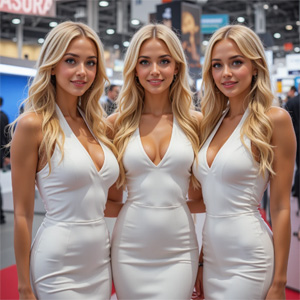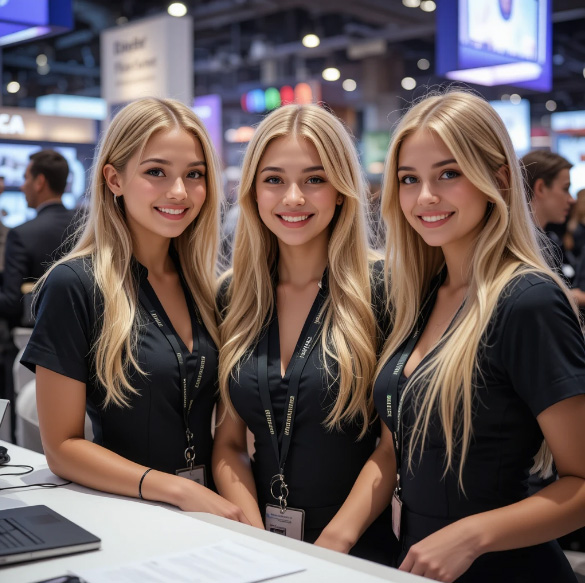
In the glittering, fast-paced halls of Crocus Expo International Exhibition Center and the expansive SADOVOD venue, the air is alive with the rustle of premium fabrics, the click of camera shutters, and the hum of intense business negotiations. This is the world of Moscow’s premier fashion events—Collection Première Moscow (CPM) , InterFashion Moscow, LeShow Fashion Trade Show, CPM—Collection Première Russia, and RFT EXPO—where designers, buyers, and brands from across Eurasia converge to shape the future of the industry.
Amidst the glamour of runway shows and the tactile exploration of thousands of garments, one professional quietly drives commercial success: the trade fair assistant. Far more than a decorative presence, these specialized staff members are the strategic ambassadors, cultural bridges, and lead-generation engines that transform a simple booth into a destination.
The Evolution: From Greeter to Brand Ambassador
The days when a trade fair assistant was merely a “pretty face” distributing brochures are long over. In the sophisticated ecosystem of Moscow’s clothing exhibitions—where over 58% more booth traffic can be attracted by professional staff—the assistant has evolved into a multifaceted strategic asset.
According to Moscow-based agencies that specialize in fashion event staffing, the modern assistant serves as the “face of the company” —the critical first point of contact that sets the tone for every visitor interaction. Whether greeting guests, providing information about the collections on display, or guiding visitors through the stand, the assistant ensures that everyone feels welcomed and valued. Their ability to create a positive first impression is crucial in attracting and retaining the interest of potential buyers, partners, and media representatives.
The Fashion-Specific Skillset
What distinguishes a top-tier clothing exhibition assistant from a general promotional model is their command of industry-specific knowledge combined with professional presentation skills.
Product Expertise and Storytelling
At an event as specialized as Moscow’s fashion trade shows, the assistant must possess a solid understanding of the brand, its collections, and the latest fashion trends. This includes knowledge of fabrics, designs, production processes, and unique selling points. Professional assistants are trained to explain the inspiration behind the collections, the craftsmanship involved, and the brand’s vision in a compelling manner. Their ability to answer detailed questions and provide insightful information enhances the credibility of the brand and builds trust with potential clients.
At textile-focused events, staff must guide clients through a sensory experience—inviting them to feel the weight of a silk, appreciate the stretch of a technical performance textile, or examine the intricacy of a jacquard weave. They articulate the story behind the material: its origin, manufacturing process, durability, and ideal application, transforming a sample swatch into a solution.
Technical Specifications and Problem-Solving
The modern fashion industry blends artistry with advanced technology. Assistants are briefed to discuss technical specifications—from thread count and fibre blends (e.g., wool-silk, organic cotton-modal) to performance features like moisture-wicking, flame resistance, or UV protection. They answer detailed questions from technical designers and procurement managers, ensuring clients have the confidence to specify materials for their projects.
Professional Presentation and Brand Embodiment
Before she even speaks, the assistant’s appearance communicates the brand’s identity. For premium events like Collection Première Moscow, agencies often specify height requirements (minimum 175 cm) and require portfolios demonstrating previous luxury or fashion event experience. The assistant’s grooming, demeanor, and attire must be a flawless visual extension of the brand’s world—personifying the label’s image and values with every interaction.
The Cultural and Linguistic Bridge
Moscow’s fashion market has unique characteristics that directly impact the assistant’s role. With international exhibitors from China, Turkey, Italy, and across the CIS region, communication is paramount.
Multilingual Communication
Given the international nature of Moscow’s fashion events, professional assistants are typically multilingual, capable of communicating with visitors from diverse linguistic backgrounds. This skill is particularly valuable in bridging the gap between international exhibitors and Russian attendees. Whether speaking English, French, Italian, or other languages, the assistant ensures that language barriers do not hinder communication. Their ability to converse fluently with visitors from different countries enhances the global appeal of the stand and facilitates meaningful connections.
For international exhibitors, fluent Russian-speaking staff are indispensable for navigating deals, understanding local design trends and color preferences, and building rapport with Moscow’s manufacturing and design community. They ensure that nuances of quality, delivery terms, and customization options are perfectly communicated.
Local Market Expertise
A Russian assistant brings invaluable insight into local buyer preferences, business culture, and market dynamics. Russia has a unique business culture, and understanding local customs and etiquette can make a significant difference in how a brand is perceived. Assistants with an existing network in the Russian fashion industry can provide an additional competitive edge, offering intelligence on which local factories work with certain materials, which designers are influential, and what trends are dominating Russian fashion and interiors.
The Business Impact: Lead Generation and Sales Support
The commercial value of a professional trade fair assistant is measurable and significant. Studies from major Moscow exhibitions indicate that professional staff can increase booth traffic and generate three times more qualified leads than unattended or understaffed booths.
Lead Qualification and Client Triage
In a busy fair, identifying serious buyers is paramount. Assistants are skilled at engaging visitors in conversation to discern their role—be it a buyer from a federal retail chain like L’Etoile or Rive Gauche, a sourcing agent for a major brand, a boutique owner, or a fashion student. This ensures that sales leads are accurately tagged and that senior sales personnel can prioritize high-value interactions effectively.
Creating Engaging and Interactive Experiences
The role of an assistant goes beyond providing information; they are also responsible for creating an engaging and interactive experience. This may involve organizing live demonstrations of fashion pieces, showcasing the versatility of designs, managing styling sessions, or using digital tools to highlight the brand’s story and values. By making the experience immersive and interactive, the assistant ensures that visitors are not just passive observers but active participants, fostering deeper interest in the collections.
Operational Support and Logistics
Behind the scenes, assistants manage the essential logistics that keep a booth running smoothly: maintaining attractive stand presentation throughout the event, handling sample management and inventory control, managing lookbooks and promotional materials, and assisting with appointment scheduling and order processing. Their familiarity with Moscow venues like Crocus Expo and SADOVOD allows them to handle documentation and local arrangements with efficiency.
The Moscow Distinction: Major Fashion Venues
Moscow’s premier clothing exhibitions take place at world-class venues, each with its own operational characteristics.
Crocus Expo International Exhibition Center is Russia’s largest and most prestigious exhibition complex, hosting Collection Première Moscow (CPM) , InterFashion Moscow, and other major fashion events. Located approximately 20 kilometers from the city center, the venue demands that assistants arrive early—often before the 9:00 AM opening—to prepare stands before the first visitor arrives.
The SADOVOD exhibition center hosts RFT EXPO Moscow Fashion and Textile Exhibition, another key event in Eastern Europe’s fashion calendar. Assistants working at SADOVOD are expected to be familiar with the venue’s specific operations and logistics.
The Expocentre Fairgrounds also hosts fashion and textile exhibitions, with Euroexpo providing specialized event staff including stand assistants and hostesses.
The Three-Tier Hierarchy of Fashion Assistants
Given the varying needs of exhibitors, agencies typically deploy a tiered staffing model for clothing exhibitions:
| Role | Primary Function | Required Knowledge | Best For |
|---|---|---|---|
| Standard Hostess | Welcoming visitors, badge scanning, brochure distribution, traffic management | Basic logistics; professional appearance; friendly demeanor | Brands needing general visitor management |
| Promotional Model | Interactive brand experiences, social media content, styling demonstrations | Engaging personality; modeling experience; social media fluency | Brands seeking high-energy activation |
| Brand Ambassador | In-depth product expertise, VIP buyer engagement, sales support | Fashion industry knowledge; multilingual skills; lead qualification experience | Premium brands with serious sales goals |
The Future: Technology and the Human Touch
As the fashion industry continues to evolve, so does the role of the trade fair assistant. With the integration of technologies such as virtual reality (VR) fashion shows, augmented reality (AR) fitting rooms, and digital lookbooks, assistants are increasingly equipped with digital tools to enhance the visitor experience. However, despite these technological advancements, the human touch remains irreplaceable. The assistant’s ability to connect with visitors on a personal level and provide genuine interactions ensures that the stand stands out in a competitive environment.
Future assistants may be required to possess even greater knowledge of digital tools and emerging technologies, as well as a deep understanding of global fashion trends. However, their core mission—to create a welcoming, informative, and engaging experience—will remain unchanged.
Why Your Fashion Brand Cannot Afford a Novice
In the high-stakes, visually-driven world of Moscow’s clothing exhibitions, first impressions are everything. If a potential buyer approaches a booth and is greeted by a staff member who cannot answer basic questions about fabric composition, sizing, pricing, or delivery terms, the brand loses credibility instantly.
A professional assistant:
- Attracts more visitors to your stand
- Qualifies leads effectively, saving your sales team valuable time
- Bridges cultural and linguistic gaps with international buyers
- Embodies your brand values through professional presentation
- Collects and organizes lead data for post-show follow-up
Where to Find Qualified Talent
The most successful exhibitors source their assistants through specialized Moscow agencies that maintain rosters of pre-vetted professionals with proven fashion event experience. These agencies can provide:
- Standard Hostesses for general visitor greeting and assistance
- Promotional Models for interactive brand experiences
- Brand Ambassadors with in-depth product expertise and sales support
Crucially, exhibitors should book their assistants 1–2 months in advance of major shows, as the most qualified professionals—particularly those with luxury fashion experience—are often reserved early.
Conclusion: The Human Thread
In the glamorous, fast-paced, and intensely competitive world of Moscow’s clothing exhibitions, a beautiful garment display or a stack of glossy lookbooks is not enough. The difference between a successful market entry and an expensive lesson in silence often comes down to the person standing at the front of the booth.
The professional trade fair assistant is the first handshake, the trusted explainer, and the last impression for thousands of potential buyers. They translate not just words, but fabric specifications, design stories, and cultural expectations. They ensure that an Italian luxury brand finds its place in a Moscow boutique, and that a Turkish textile manufacturer gains the trust of a Russian fashion house.
For any international company looking to navigate the dynamic, sophisticated, and opportunity-rich Russian fashion market, investing in a specialized trade fair assistant is not an expense. It is the most strategic investment you will make on the exhibition floor—the human thread that weaves success from the fabric of opportunity.
As one seasoned exhibitor at CPM Moscow noted: “Your collection can be stunning. But without the right assistant to tell its story, it is just fabric on a rack.”