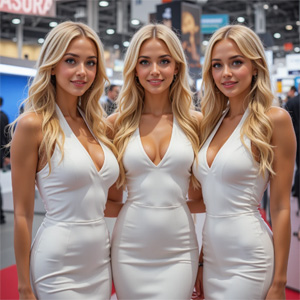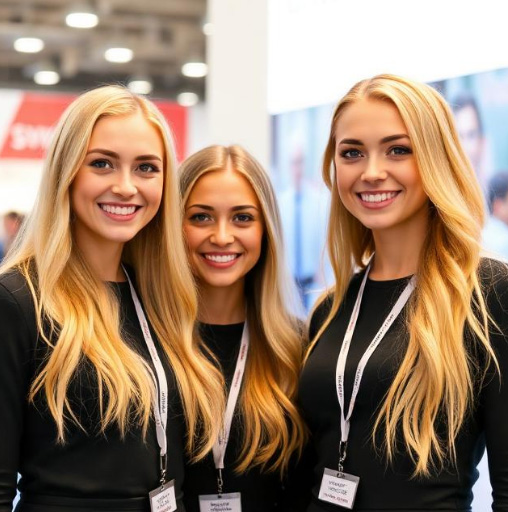
In the cavernous, high-tech halls of Moscow’s Crocus Expo International Exhibition Center, where the future of Russian media, broadcasting, and audiovisual technology takes shape, the air is filled with a different kind of static. It is the hum of a 180,000+ square meter venue, the chatter of 16,000 industry professionals, and the digital pulse of 215 exhibitors showcasing everything from 4K cameras to fiber-optic transmission systems.
This is the stage for Russia’s premier events for the broadcasting and AV sectors: Integrated Systems Russia (ISR) , the Moscow International Theatre Forum (featuring Light + Audio + Tec), and other specialized shows.
Amidst the complex rigging of LED walls, the fine-tuning of audio processors, and the intense negotiation over systems integration contracts, a singular professional ensures that the signal does not get lost in the noise: the broadcasting booth assistant.
The “High-Fidelity” Professional
Unlike general trade fairs, Moscow’s broadcasting and AV events operate on a razor’s edge of technical specificity and commercial urgency. The standard “booth model” or a simple greeter will not survive on this floor. Here, the booth assistant must evolve into a technical liaison, a cultural diplomat, and a marketing strategist—all while wearing a headset and a smile.
As the Russian exhibition services market has matured, industry experts have identified that a modern booth assistant is, in essence, a “language expert + business assistant + operations manager” rolled into one. However, for the broadcasting industry, this formula requires a fourth, critical element: technical literacy.
The Broadcast-Specific Skillset: From dBFS to SMPTE
To understand the specific demands of an AV booth assistant, one must look at the exhibit categories at events like ISR:
- Audio Processing: Mixers, amplifiers, public address systems, and wireless microphones.
- Video Transmission: LED displays, projection mapping, 4K/8K cameras, and closed-circuit television (CCTV).
- Systems Integration: Fiber optics, network switches, signal management, and control systems.
- Conferencing & Streaming: Video conferencing hardware, streaming encoders, and WebRTC gateways.
A broadcast booth assistant must be able to differentiate between a “line array” and a “point source” speaker, or explain the difference between SDI and HDMI signal flow to a passing engineer. They are not required to design the system, but they must be fluent enough to direct technical questions to the right specialist and handle the 80% of basic inquiries that do not require a senior engineer.
The Three-Tier Hierarchy of Broadcast Assistants
Given the technical density of these shows, agencies specializing in Moscow events typically deploy a tiered staffing model:
| Role | Primary Function | Required Knowledge | Typical Rate (Daily) |
|---|---|---|---|
| Basic Greeter / Hostess | Welcoming VIPs, checking badges, distributing brochures, managing foot traffic. | Standard logistics; no technical knowledge required but must be presentable. | 15,000 RUB + |
| Technical Booth Assistant | Explaining product specs, demonstrating simple UI, filtering “lookie-loos” from serious buyers. | Industry terminology (e.g., “latency,” “codec,” “NDI”); ability to run a pre-set demo loop. | 20,000 RUB + |
| Senior Business Assistant | Facilitating complex negotiations (contracts, systems integration scope), managing VIP delegations. | Advanced technical vocabulary + negotiation experience + often fluent in Mandarin or Turkish (due to shifting supply chains). | 30,000 RUB + |
Note: Rates are market averages and may vary based on language rarity and event specific demands.
Beyond Translation: The Cultural “Codec”
One of the most undervalued aspects of the booth assistant is their role as a cultural codec—decoding Russian business culture for foreign exhibitors and encoding foreign sales tactics into a format palatable to local buyers.
In the wake of shifting global trade policies, the Russian AV market has seen a significant influx of equipment from China, Turkey, and domestic Russian manufacturers. This creates a unique linguistic challenge.
A Chinese manufacturer of LED panels might speak perfect technical English, but the Russian buyer (often a systems integrator from Siberia or St. Petersburg) prefers to negotiate in Russian. The booth assistant bridges this gap.
Moreover, Russian business culture relies heavily on trust and relationship-building. A booth assistant who can offer tea, engage in small talk about Moscow traffic, and then pivot to discussing refresh rates on a 4K monitor is worth their weight in gold. They humanize the technology.
The Logistics of “Crocus” Survival
The physical environment of Crocus Expo adds another layer of complexity to the role. The venue is located approximately 20 km from the city center, and traffic on the MKAD (Moscow Ring Road) is notoriously unpredictable.
A professional booth assistant knows to arrive early—often before the 9:00 AM security check—to ensure the demo screens are powered on and the signal generators are running before the first attendee walks in.
They must also be experts in Crocus geography. With multiple pavilions and simultaneous events (e.g., ISR running next to a food expo), a lost attendee needs directions. The assistant who knows the quickest route to Pavilion 3, Hall 14 is the unsung hero of the day.
Why Your Broadcast Brand Cannot Afford a Novice
In the fast-paced world of broadcasting, first impressions are everything. If a potential buyer approaches a booth and is greeted by a staff member who cannot answer basic questions about audio latency or video wall resolution, the brand loses credibility instantly.
A professional assistant increases booth traffic by as much as 40% and collects three times more qualified leads than an unattended booth.
For any international company looking to sell video conferencing gear, broadcast cameras, or network audio solutions in Moscow, hiring a specialized booth assistant is not a luxury—it is the most critical piece of hardware you will bring to the show floor.
In an industry defined by crystal-clear signals and zero interference, the booth assistant ensures that your brand’s message cuts through the noise and reaches the right ears.