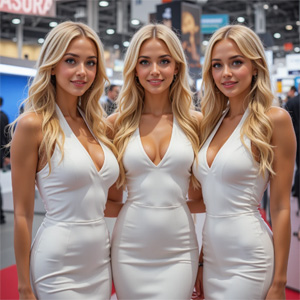
Moscow has long been a premier destination for international trade fairs, with venues like Crocus Expo and Expocentre hosting major events across industries from telecommunications to hospitality. At the heart of these exhibitions’ success lies a professional often overlooked but essential to the visitor experience: the Russian hostess. These professionals are far more than decorative figures—they are strategic assets who bridge cultures, manage logistics, and serve as the human face of brands in a competitive marketplace.
Beyond the Stereotype: A Multifaceted Role
The Western perception of a “trade fair hostess” often focuses narrowly on image-based tasks. In Moscow’s trade fair ecosystem, however, the role is considerably more complex. A professional Russian hostess typically functions as a registration and crowd management specialist, a multilingual information desk, and a brand representative all at once.
At events like MosBuild or ComTrans, which see tens of thousands of visitors daily, hostesses manage the flow at registration desks, pre-screen attendees for badges, and ensure that only authorized personnel access VIP areas. They must know the floor plan of sprawling venues like Crocus Expo better than the architects who designed them, answering hundreds of questions per hour about pavilion locations, seminar schedules, and transportation options.
The business case for hiring professional hostesses is compelling. With companies investing between 300,000 and 2,000,000 rubles to participate in a Moscow exhibition, hostess services typically represent only 1-3% of the total event budget—yet they can increase lead generation by 30-40% by engaging visitors whom sales managers would otherwise miss.
A Day in the Life
A typical workday for a hostess during a major trade fair begins long before the doors open at 10:00 AM. The shift starts around 6:30 AM with travel to the venue, followed by uniform checks at 8:00 AM—hair styled, makeup flawless, heels on. By 8:30, the agency coordinator reviews special instructions: which VIP guests are expected, what new product is being highlighted, or how to handle specific situations. Station assignments follow, with different hostesses working VIP lounges, product demonstration areas, or lead-capture stations at entrances.
From 10:00 AM to 6:00 PM, the action is non-stop. Standing is rarely permitted in view of visitors. Hostesses smile, answer questions, scan badges, refill brochures, fetch coffee for clients, and maintain composure even when frustrated visitors become rude. The physical demands are significant—long hours in high heels and fitted clothing, with only a 30-minute lunch break if lucky.
Three Pillars of Exhibition Staffing
The modern exhibition assistant operates across three distinct zones, each requiring a different skillset. The Ambassador role focuses on pure hospitality: greeting attendees, providing show schedules, and creating a warm entry point to the exhibition. The Promoter role, common in bustling food halls like those at WorldFood Moscow, involves product sampling and generating buzz—the hostess must know the difference between a parmesan and a pecorino or the specific brewing temperature for a new coffee line. The VIP Concierge represents the highest tier, managing champagne service and private chef tastings in exclusive lounges while ensuring VIP buyers feel valued.
Cultural Intelligence: The Russian Advantage
For international exhibitors, the cultural knowledge a Russian hostess brings is invaluable. Russian business culture is formal, hierarchical, and places high value on personal connection. A hostess understands instinctively when to use a client’s patronymic name to show respect and recognizes that refusing a proffered cup of tea during negotiations can be interpreted as an insult.
Unlike the overly energetic cheerfulness sometimes found at American trade shows, Russian professionalism is calm, composed, and respectful. A hostess who smiles too broadly or speaks too loudly may be perceived as insincere. Conversely, one who maintains steady eye contact, stands straight, and speaks in a measured tone conveys competence and trustworthiness. The best hostesses adapt their style to their client’s expectations while staying true to this baseline of dignified Russian professionalism.
For international visitors, the hostess serves as a cultural ambassador, bridging gaps between cultures and helping foreign guests navigate local customs. Fluent in both Russian and often English or other languages, they are essential for international companies looking to make a strong impression in the Russian market.
The Agency Ecosystem
Most hostesses at Moscow trade fairs do not work directly for exhibitors or venues. They are employed by specialized event-staffing agencies like ExpoLady Exhibition Studio or MoscowHostess.ru, which maintain rosters of hundreds of young women, many of whom are university students studying marketing, linguistics, or international relations. These agencies provide uniforms, basic training in customer service and emergency procedures, and quality control supervisors who roam the halls to ensure standards are met.
According to local rate cards, the cost of hiring a promoter in Moscow starts at approximately 10,000 rubles per day for a standard 8-hour shift. Premium rates of 12,000–15,000 rubles apply for staff with model looks, specific language skills (Chinese, Turkish, Arabic, or German), or technical expertise.
Challenges and Professionalization
The hostess industry has faced its share of challenges, including instances where organizers prioritized physical appearance over professional skills. Demands for specific height, weight, and clothing sizes remain common in job postings, and there have been cases of exploitation including unpaid overtime.
However, the industry has professionalized significantly over the past decade. Reputable agencies now enforce strict codes of conduct, provide employment contracts, and empower hostesses to refuse unsafe or degrading tasks. The rise of professional social media, particularly LinkedIn and Telegram channels for event staff, has increased transparency and accountability.
The Future: Evolving Roles
As Moscow’s trade fairs become increasingly sophisticated, the hostess role continues to evolve. Simple tasks like badge scanning are being automated, and lead retrieval is moving to QR codes and apps. In response, professional hostesses are upskilling—many now operate exhibitor CRM systems on tablets, speak not just English but Mandarin or Arabic, assist with live streaming and social media content creation, and provide basic technical support for displays.
The hostess of tomorrow in Moscow will be less a “promotional model” and more a “brand ambassador and logistical coordinator”—a true professional whose value extends far beyond appearance.
At the end of a long trade fair day, when the last visitor has left and the lights dim over empty pavilions, the hostesses are often the last to leave. No one will remember their names, and no business deal will be signed in their honor—but without them, the grand machinery of Moscow’s trade fairs would grind to a halt within hours. They answer the first question, soothe the first frustration, and offer the first genuine smile. Russian hostesses at Moscow trade fairs are not decorations—they are the quiet, competent, and resilient professionals who ensure that the visitor experience is seamless, welcoming, and above all, professional.