In a nation where life expectancy is rising and the silver economy is rapidly expanding, Russia’s elderly care sector has emerged as a frontier of innovation and international cooperation. At the heart of this transformation are major Moscow exhibitions—Integration, Russian Health Care Week, and Anti-Ageing Professional—where international manufacturers, gerontologists, and social service providers gather to shape the future of longevity.
For foreign companies entering this sensitive and highly specialized market, a standard interpreter is not enough. They require a Trade Fair Translator—a professional who acts as a technical liaison, a cultural bridge, and a guardian of medical accuracy. In the world of geriatric care, where a mistranslated dosage or a misunderstood regulatory requirement can have life-altering consequences, these linguists are as essential as the products they represent.
The Moscow Stage: Where Science Meets Social Care
Moscow hosts several key events specifically tailored to the elderly care and rehabilitation sectors, each demanding a distinct linguistic skillset:
- Integration (The International Exhibition of Rehabilitation and Care) : Held annually at the Timiryazev Center, this is Russia’s premier event for assistive technologies. The exposition covers everything from high-tech exoskeletons and mobility aids to nursing care and palliative support. It is where specialists from nursing homes, hospice providers, and gerontological centers source daily living aids and physiotherapy equipment. In 2026, specialists from the Moscow State University of Psychology and Education (MSUPE) were on hand to discuss evidence-based methods like Cognitive Stimulation Therapy (CST) for dementia.
- Russian Health Care Week (including MedTravelExpo and Longevity Tech) : Held at Crocus Expo and Expocentre, this massive forum includes sections dedicated to medical tourism, rehabilitation, and “Longevity Tech.” In 2025, the event hosted a significant international delegation, including the China Social Welfare and Senior Service Association, to discuss smart elderly care and the “silver economy”. Interpreters at this event must navigate high-level policy discussions as well as clinical data.
- Anti-Ageing Professional (Science and Practice of Active Longevity) : Taking place at Gostiny Dvor, this conference is academic in nature. Organized by the Gerontology Section of MOIP at Lomonosov Moscow State University, it focuses on anti-aging technologies, biological age assessments, and scientific research. Translators here need a deep command of scientific Russian and familiarity with terms like “hypoxic training” and “geroprotectors.”
The Anatomy of a Specialist: Roles and Responsibilities
A professional translator in this vertical must move beyond the booth and into the details of geriatric care. While a study on BioPharma exhibitions highlights the need for medical terminology fluency, the elderly care sector requires an even broader spectrum of specialized knowledge. Here is what sets a high-end elderly care translator apart:
1. Medical and Technical Precision
In elderly care, the margin for error is zero. Translators must accurately convey complex specifications for products like anti-decubitus mattresses, patient lifts, or hygiene textiles. Furthermore, they must navigate “scary” clinical documentation. For example, during the “Integration” exhibition, MSUPE specialists discussed “Cognitive Stimulation Therapy (CST)” for dementia. A standard translator might miss the nuance, but a trained one can explain that this is a “non-pharmacological evidence-based method”. They must also distinguish between an “exoskeleton” for gait rehabilitation and a simple “walker.”
2. Government and Procurement Liaison
Unlike consumer trade shows, buyers at these exhibitions are often government agencies, state insurance funds, or hospital procurement departments. Russia places a heavy emphasis on regulatory compliance, specifically EAC (Eurasian Conformity) certification for medical devices.
A specialist translator helps international companies navigate the “EAC marking” requirements for assistive devices or the specific registration process for a “medical device” vs. a “daily living aid.” They ensure that the technical passport and user manual translation meet the strict demands of Russian regulators.
3. Cultural and Ethical Sensitivity
Elderly care is deeply emotional. Discussions often involve palliative care, dementia, and end-of-life logistics.
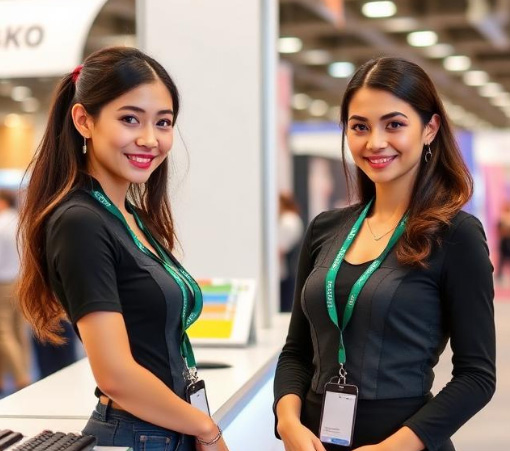
A translator must maintain professional detachment while handling sensitive topics. They must understand the Russian healthcare structure—such as the distinction between Sobes (social security) and Polis (medical insurance)—to accurately translate who pays for what. Additionally, they must convey the brand’s ethos. As noted by interpretation agencies, the translator’s appearance and demeanor must align with the “company’s concept and philosophy,” which in this industry means projecting compassion and reliability.
4. Adapting to Demonstration Environments
Many products at shows like Integration are physical and interactive. Translators often facilitate “hands-on” training.
- Rehabilitation Robots: Explaining the setup and safety protocols for a gait-training exoskeleton.
- Sensory Rooms: Describing the therapeutic benefit of specific lighting or tactile panels to a Russian psychologist.
- Hygiene Products: Translating material safety data sheets (MSDS) for adult diapers or skin cleansers.
Matching the Translator to the Event
Choosing the right linguist requires matching their niche to the specific show:
- For “Integration” (Rehabilitation & Nursing) : Look for a translator with experience in Occupational Therapy (OT) and Physiotherapy (PT) . They need to know the Russian terms for “patient lift sling” and “anti-bacterial textiles.”
- For “Anti-Ageing Professional” (Research) : Seek a Scientific Translator or a medical student. They must understand statistical analysis and biological terms like “telomere length” or “oxidative stress.”
- For “Russian Health Care Week” (Business & Policy) : Hire a Commercial Interpreter. They should be skilled in high-stakes B2B negotiations, contract terms, and government lobbying language.
The Value of Professional Agencies
Securing a reliable translator in Moscow requires looking beyond freelance generalists. Professional agencies like MoscowInterpreters.Ru specialize in vetting for these specific verticals. For instance, a bio-pharmaceutical case study revealed that companies will often skip standard selection processes for returning clients because the preparatory work—reviewing technical documentation and product specs—is more critical than the live translation itself.
A reputable agency will provide:
- Industry-Specific Vetting: Ensuring the interpreter has worked with medical devices or geriatric psychology before.
- Uniforms & Professionalism: Providing staff who match the client’s corporate image.
- Logistical Support: Handling the complex registration process for exhibitions at venues like Crocus Expo or Timiryazev Center.
Conclusion: The Silent Partner in Longevity
As Russia continues to develop its “Active Longevity” programs and the global community looks to collaborate on aging solutions, the demand for precision communication will only grow. For international brands exhibiting in Moscow, the hardware—whether a robotic exoskeleton or a smart nursing bed—is only half the story.
The Trade Fair Translator is the silent partner who ensures that technology meets trust. They ensure that a Russian social worker understands the safety features of a patient lift, that a Russian procurement officer trusts the certification of a hygiene product, and that a Russian family sees the dignity offered by a palliative care solution. In the business of extending life, every word counts.
Planning to exhibit at Integration 2027 or Russian Health Care Week? Book your specialized translator at least 3 weeks in advance to allow time for technical document review and regulatory familiarization.